
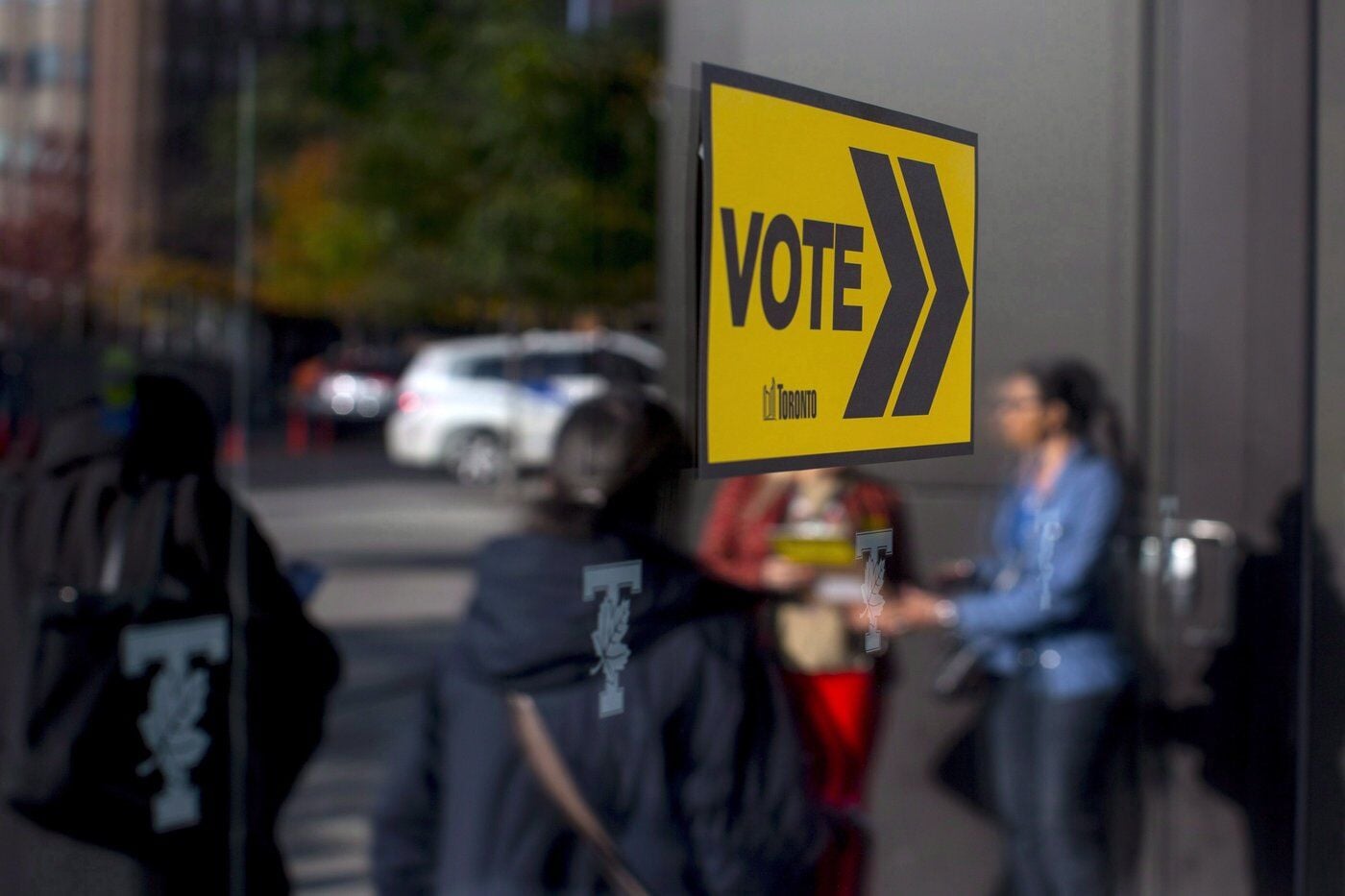
Mayor Olivia Chow and Coun. Brad Bradford, the two front-runners in Toronto’s mayoral race, met for their final debate on Thursday night and split sharply over property taxes, water bills and how each would pay for their promises, four days before voters go to the polls on Monday, Oct. 26.
The commercial-free debate, “Toronto Decides: The Municipal Debate,” was hosted by CP24 and CTV News Toronto. Polls open at 10 a.m. Monday, and the City of Toronto’s elections page lists voting places and accepted ID.
Bradford repeated his pledge to freeze property taxes in his first year and find savings in the city budget. He also promised to cut water bills by 25 per cent by turning Toronto Water into a separate, city-owned utility similar to Toronto Hydro, CBC Toronto reported.
Chow pressed him on the water plan, accusing him of trying to “give away” control of the utility. Bradford replied that he would resign his council seat if Toronto Water were ever privatized and said the change would bring “a $300 reduction in your water bill,” according to CP24’s live coverage.
Chow focused on groceries and transit. She pointed to her promise of free lunches for every grade school student and a cap on TTC fares after 10 rides a week. Asked by Bradford how she would pay for her platform without more tax increases, she said much of the money is already “booked into the 2027 budget.”
“It’s like if you have a home, the roof is leaking. You have to go fix it,” Chow said of the tax increases in the early part of her term. She has promised to keep future increases at or near the rate of inflation.
Chow said Bradford had made “billions of dollars” in promises that would be hard to fund without service cuts. Bradford’s platform includes the one-year tax freeze and a cut to the municipal land transfer tax on the first $1.1 million of every home purchase, which CBC News said adds up to hundreds of millions of dollars. Bradford said a new fiscal framework would cover the cost with “no cuts to front-line services.”
In closing, Bradford said the city is not living up to its potential. “If we want to change the city, we have to change the mayor,” he said. Chow said she is not perfect but has worked to lower the cost of living. “We’re making progress by working together, and there is so much more we can do,” she said.
The race has tightened in the final week. A Liaison Strategies poll released Wednesday put Bradford two points ahead, while a Nanos Research poll released Tuesday had Chow ahead by three, both within the margin of error, CBC News reported. Nanos polling done for CP24 and CTV News Toronto found 13 per cent of voters surveyed were open to changing their choice after the debate, and a further 16 per cent were somewhat open.
Public safety has also divided the pair. Bradford has promised a net increase of 1,000 police officers over four years, while Chow has pointed to the police hiring plan already underway under her term. Our earlier coverage shows how the two were in a statistical tie a week before the vote.
More than 50 candidates are on the ballot for mayor. For hours, ID rules and where to cast a ballot, see our guide on how to vote in Toronto’s Oct. 26 election. More Toronto news is on our Toronto page.
If you find reporting like this useful, consider supporting Canada News Media, an independent Canadian newsroom with no corporate parent.
Follow Canada News Media
Get the day's top Canadian stories and our two daily 60-second news videos wherever you scroll.
X Threads Facebook Instagram LinkedIn TikTok YouTube Pinterest Reddit Substack Flipboard Newsletter RSS