




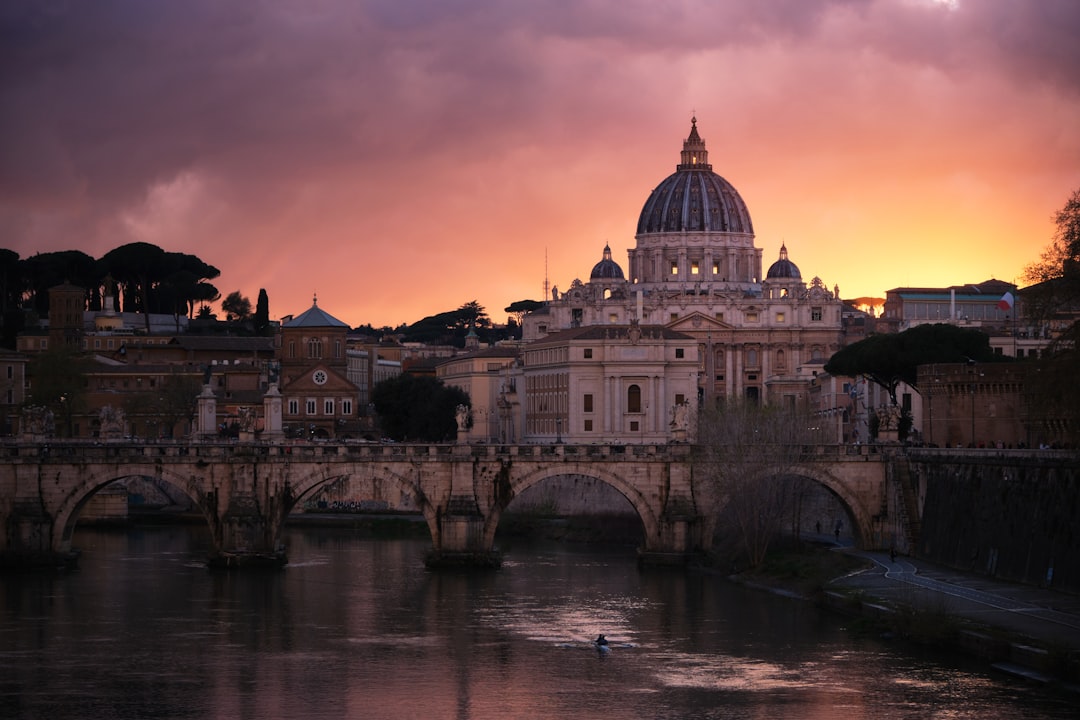
One year after Pope Francis’s death, large crowds are still making their way to his tomb in Rome, showing how deeply his legacy continues to resonate with Catholics and many others around the world. Visitors are drawn not by grandeur, but by the simplicity of the burial site, which reflects the humble style Francis tried to project throughout his papacy. The steady flow of pilgrims also highlights how unusual it is for public interest to remain so strong this long after the funeral period has passed. For many believers, the visit has become both a personal act of prayer and a way to honour a pope who spoke often about mercy, poverty and human dignity.
For Canadians, the continued attention surrounding Francis’s tomb carries a particular emotional and spiritual weight. His papacy had a significant impact in Canada, especially because of his historic 2022 visit and his apology on Canadian soil to Indigenous survivors of the residential school system. Many Canadian Catholics are still reflecting on what his leadership meant for reconciliation, parish life, social justice and the role of the Church in modern society. The ongoing devotion in Rome may also inspire renewed interest among Canadian pilgrims, church groups and faith-based organizations planning travel, memorial events or discussions about his lasting influence.
In the months ahead, observers will be watching to see whether pilgrimage numbers remain high and how the Vatican continues to present Francis’s legacy to a new generation of Catholics. There may also be greater focus on how his teachings are being carried forward by Church leaders in Canada and abroad, particularly on issues such as inclusion, migration, the environment and reconciliation. Anniversaries often revive debate as well as devotion, so public conversation around his record is likely to continue.
To understand why the site remains so meaningful, it helps to remember the kind of pope Francis was and the moment in history in which he served. Elected in 2013, he arrived at a time when the Roman Catholic Church was facing deep internal strain, declining trust in some regions and rising pressure to address abuse scandals, financial transparency and its place in a rapidly changing world. He quickly became known for a less formal tone than many of his predecessors, emphasizing closeness to ordinary people and urging the Church to be more attentive to those living on the margins. That approach earned him admiration from many Catholics and non-Catholics alike, even as it sometimes drew criticism from those who felt he was changing expectations around the papacy.
The continued crowds at his tomb suggest Francis remains a rare global religious figure whose influence extends beyond weekly churchgoers. His image was built not only on official teachings, but on symbolic choices that made a strong impression: simpler clothing, a focus on the poor, outspoken concern for migrants and repeated warnings about consumerism and indifference. Even people who did not agree with him on every issue often saw him as a moral voice willing to confront political and social complacency. That helps explain why remembrance of Francis has endured in a visible, public way rather than fading into a quiet Vatican ritual.
In Canada, that legacy is especially layered. Francis will be remembered here not just as a world church leader, but as the pope who directly addressed one of the darkest chapters in Canadian history. His visit to communities in Alberta, Quebec and Nunavut placed the Catholic Church at the centre of national conversations about accountability, healing and the long road of reconciliation with Indigenous peoples. For some survivors and families, his apology marked an important moment of recognition, while for others it was only one step in a larger process that must include action, records access, financial commitments and lasting institutional change. That tension remains part of how Canadians assess his papacy.
Canadian Catholic institutions, from dioceses and schools to charities and campus ministries, may continue to draw on Francis’s language and priorities in practical ways. His emphasis on caring for migrants and refugees has particular relevance in Canada, where churches and settlement organizations often work together to support newcomers. His environmental message also resonates strongly in a country where climate policy, stewardship of land and resource development remain central public issues. For many clergy and lay leaders, Francis offered a framework for connecting faith with everyday concerns in a way that felt immediate and socially engaged.
The symbolism of a simple tomb matters as well. In a Church often associated with history, ceremony and visual grandeur, the modest nature of Francis’s burial place reinforces the image he cultivated during his lifetime. For pilgrims, that simplicity can feel like a final message: faith should not be measured by display, but by compassion, humility and service. It is one reason the site appears to be attracting not only devoted Catholics, but also travellers who want to better understand why this pope made such a strong impression on global public life.
There is also a broader media and cultural dimension to the continuing interest. Major religious figures are often remembered intensely in the days after their deaths, but public attention usually declines fairly quickly unless there is canonization talk, controversy or a major anniversary. In Francis’s case, the daily lineups indicate a more sustained attachment. That may reflect the fact that he became, for many people, a symbol of a more accessible and outward-looking Church, even if the institution itself continues to wrestle with old problems and internal divisions.
What happens next will depend partly on how his memory is shaped by the Vatican, by local churches and by ordinary believers. In Canada, Francis’s legacy may increasingly be measured less by emotional tributes and more by whether his priorities lead to tangible follow-through in parishes, dioceses and Catholic organizations. Readers can expect renewed discussion around reconciliation efforts, the Church’s public role in social issues and whether future leaders preserve his more pastoral style. The long lines at his tomb show that, a year later, Pope Francis is still prompting prayer, reflection and debate far beyond Rome.
Follow Canada News Media
Get the day's top Canadian stories and our two daily 60-second news videos wherever you scroll.
X Threads Facebook Instagram LinkedIn TikTok YouTube Pinterest Reddit Substack Flipboard Newsletter RSS