




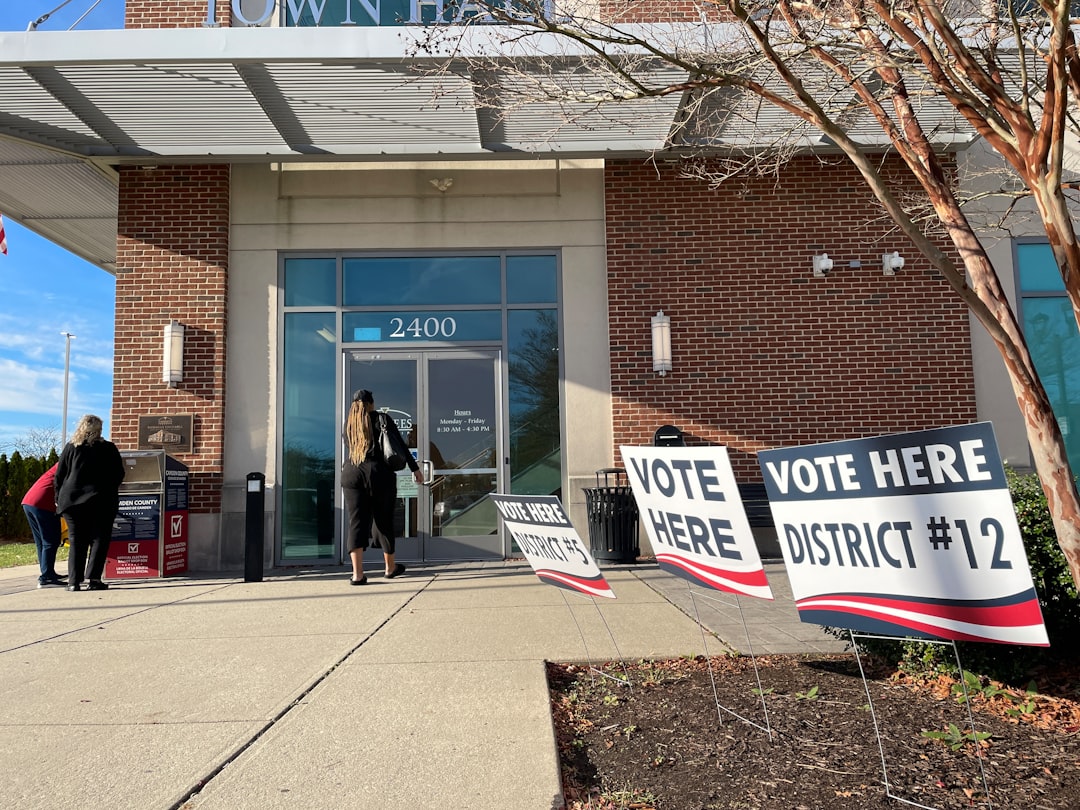
A closely watched vote in Virginia has put redistricting back in the spotlight in the United States, underscoring how political boundaries can shape elections long after ballots are cast. Voters were asked to weigh in on a referendum tied to how electoral districts are drawn, an issue that has become a recurring flashpoint in American politics. The outcome matters not just for one state, but for the broader debate over fairness, representation and whether politicians can influence maps to favour their own party. For many observers, the vote is another sign that election rules themselves have become as politically charged as the campaigns they govern.
For Canadians, this kind of story offers a useful comparison with our own system and a reminder that the rules behind voting can have a major effect on democratic trust. Canada also redraws electoral boundaries, but the process is generally handled through independent commissions rather than direct partisan control, which helps reduce accusations of political interference. Even so, debates over representation are familiar here, especially as populations shift quickly in fast-growing provinces and cities. Canadian readers watching U.S. politics can see how disputes over district maps can influence policy, public confidence and even cross-border conversations about democratic reform.
What comes next will depend on how Virginia officials implement the referendum result and whether legal or political challenges follow. Watch for reactions from both major parties, as well as voting-rights groups and constitutional experts, since changes to redistricting often trigger courtroom battles. More broadly, the Virginia vote may feed into national arguments in the U.S. over election administration ahead of future state and federal contests.
To understand why this matters, it helps to know that redistricting happens after population changes are recorded, usually following the census, to keep electoral districts relatively equal in size. In the United States, that process has often been controversial because state legislatures can play a direct role, creating opportunities for partisan map drawing, commonly known as gerrymandering. Critics say that practice allows politicians to choose their voters instead of the other way around, weakening competition and distorting representation. Supporters of reform have pushed for independent commissions, clearer rules and more public oversight, arguing that fairer maps are essential to a healthy democracy.
Virginia has been one of several U.S. states where redistricting has evolved into a major political issue, especially as suburban growth, demographic change and polarization have made control of district lines more consequential. A referendum on this subject signals that voters are not only choosing leaders but also being asked to weigh in on the machinery of democracy itself. That can be difficult for the public, since redistricting is technical, legal and often wrapped in competing claims about fairness, minority representation and local interests. Still, when these questions go directly to voters, they can reshape how power is distributed for years.
The issue resonates beyond Virginia because the structure of electoral maps can affect everything from healthcare and education to taxes and environmental policy. If a party gains a long-term advantage through district boundaries, it may hold legislative power even when statewide public opinion is closely divided. That gap between votes cast and seats won has fuelled frustration in many parts of the U.S. and has become central to debates about whether democratic institutions are functioning as intended. For Canadians, it is a reminder that transparent election administration is not just procedural housekeeping but a foundation of political legitimacy.
Canada’s experience offers an instructive contrast, though not a perfect one. Federal riding boundaries here are reviewed by non-partisan commissions that consider population changes, geography, community ties and practical representation concerns. The process can still be contentious, particularly in regions where rapid growth means some ridings become much larger than others or where communities worry about being split apart. But because elected governments have less direct control over drawing the lines, the level of partisan mistrust is often lower than in the U.S.
That difference is important in a time when confidence in democratic institutions is under pressure across many countries. Stories like the Virginia referendum matter to Canadian readers not because the exact rules are the same, but because the underlying questions are familiar: who gets represented, who decides the rules and how much the public trusts the process. In an age of misinformation and intense political branding, even technical changes to election systems can quickly become symbols of something bigger. That makes clear communication, public accountability and independent oversight more important than ever.
There is also a broader North American context. Political developments in the U.S. often influence debate in Canada, whether on voting rights, civic participation or public trust in institutions. When Americans argue over district maps, court rulings and election rules, those conversations can spill into Canadian media, academic research and partisan messaging. While Canada’s electoral framework differs in important ways, the pressure points are recognizable, especially as provinces and municipalities grapple with growth, representation and citizen confidence.
In the weeks ahead, attention will likely turn to how Virginia’s referendum result is interpreted and whether it produces practical reform or more political conflict. If the vote is seen as a public endorsement of one approach to redistricting, other states may cite it as evidence for their own reform efforts or resistance. Either way, the story is about more than one ballot question. It is about how democracies decide who represents whom, and whether voters believe the system is fair before a single campaign sign goes up.
Follow Canada News Media
Get the day's top Canadian stories and our two daily 60-second news videos wherever you scroll.
X Threads Facebook Instagram LinkedIn TikTok YouTube Pinterest Reddit Substack Flipboard Newsletter RSS