

Indigenous fire practitioners across Canada are pushing to return strategic, low-intensity burns to the land outside peak wildfire season, arguing the practice protects communities and restores forests after decades of fire suppression.
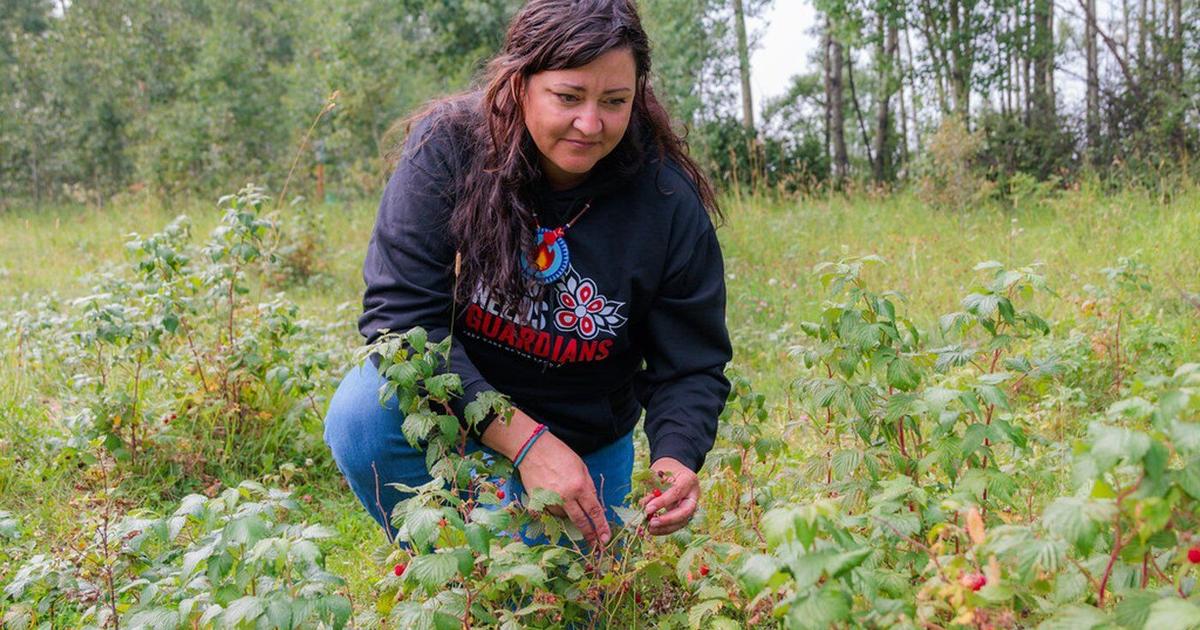
Leona Antoine, who is Syilx and Nlaka’pamux, said she learned what she calls “good fire” from her grandfather, setting patchy burns on her family’s land in the Nicola River valley near Merritt, B.C. The fire clears dead brush, lets sunlight reach the ground and recycles nutrients, and fresh grass and huckleberries follow within weeks, she said. Antoine, a former forest firefighter and chair of the Salish Firekeepers Society, said her grandfather came of age when Indigenous communities were largely outlawed from applying fire.
“We keep reacting to these catastrophic fires,” Antoine said. “How can we restore our practices and our teachings and our culture into the future, where we’re actually restoring our ecosystems, where it’s sustainable?”
Her grandson’s first home was a hotel room after the family was twice displaced by wildfires over the past five years, she said, a stretch that included the most intense B.C. fire seasons on record.
The movement appears to be gaining ground. A recent Senate report on Canada’s wildfire crisis highlighted cultural burning and recommended that Ottawa increase financial and logistical support for Indigenous-led fire management. Ontario recently relaxed its rules so Indigenous communities no longer need a fire permit for cultural burns, as long as the provincial ministry is notified in advance. Several provincial wildfire agencies, including B.C.’s, publicly support the practice.
Research points the same way. A study from northern Australia linked a decline in the extent and severity of bush fires to Indigenous-led burning, and a Stanford University study tied controlled burns to a roughly 16 per cent drop in fire intensity and a 14 per cent drop in smoke emissions.
Even so, Canada makes little use of the tool. Wildfire agencies set prescribed fires on about 110 square kilometres this past year, mostly in B.C., according to the Canadian Interagency Forest Fire Centre. That was the highest annual total of the past decade, but it is far below the United States, where the federal Forest Service alone routinely oversees prescribed fires on thousands of square kilometres.
Amy Cardinal Christianson, a former Canadian Forest Service research scientist who is Cree-Metis and now directs fire stewardship at the Indigenous Leadership Initiative, said the hesitation partly reflects a risk-averse culture driven by liability fears and past prescribed fires that burned out of control. Canada spends far more fighting wildfires than preventing them, she said, and a “fire put out is just a fire deferred.”
Christianson said Indigenous fire guardians with reliable funding and training are best placed to decide where fires should be set. “It’s so much more than just a tool because it’s so connected to who we are as people,” she said.
The cost of not preparing is steep. Climate-driven wildfires could cost Canada $2.1 trillion by 2100, according to a report we covered last month, and wildfire evacuations have already forced some B.C. farmers to choose whether to stay and fight the flames.
Via The Canadian Press.
If you find reporting like this useful, consider supporting Canada News Media, an independent Canadian newsroom with no corporate parent.
Follow Canada News Media
Get the day's top Canadian stories and our two daily 60-second news videos wherever you scroll.
X Threads Facebook Instagram LinkedIn TikTok YouTube Pinterest Reddit Substack Flipboard Newsletter RSS