


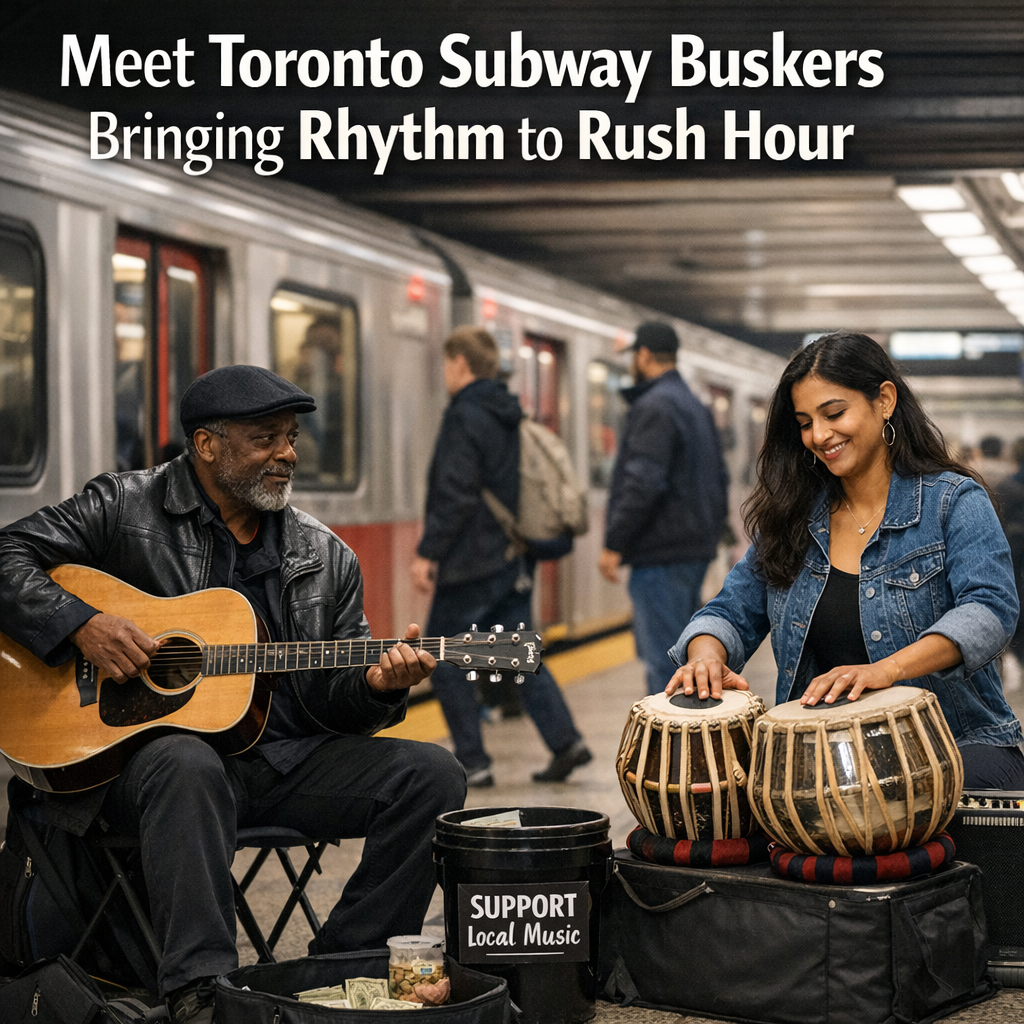
Toronto subway buskers are doing more than filling stations with music. Performers in the TTC’s long-running subway musicians program say they hope to bring a moment of calm, joy, or surprise to commuters moving through one of Canada’s busiest transit systems. From string players to singers and guitarists, these artists have become part of the daily rhythm of Toronto life. Their presence highlights how live music can soften the stress of rush hour and turn an ordinary trip into something memorable.
For Canadian readers, the story speaks to how public spaces are used in major cities and how arts and culture remain woven into everyday life. In Toronto, where thousands rely on public transit each day, subway performances can help make a crowded, noisy commute feel a little more human. The TTC program also reflects a broader Canadian interest in supporting local artists while making civic spaces more welcoming and accessible. At a time when many people are thinking about affordability, community connection, and the future of downtown life, these musicians show how small creative moments can have a lasting impact.
Looking ahead, transit riders may continue to see renewed interest in live performance in public spaces as cities search for ways to improve the commuter experience. There will also likely be ongoing attention on how transit agencies balance safety, scheduling, and public enjoyment while giving performers room to share their work. For Toronto’s subway musicians, the next chapter may depend on how strongly riders, city leaders, and transit officials continue to value arts in everyday settings.
Toronto’s subway musicians program has been part of the city for more than four decades, giving licensed performers the chance to play in designated areas across dozens of stations. Over the years, it has become a familiar feature of the TTC, introducing riders to a wide range of musical styles and performers from different backgrounds. Busking in transit stations offers artists exposure to large and varied audiences, while commuters get free access to live performances during trips that might otherwise feel rushed and impersonal. In a city as large and diverse as Toronto, that exchange helps reflect the multicultural character of both the transit system and the communities it serves.
In Toronto’s underground transit network, music often rises above the noise of train doors, station announcements, and hurried footsteps. For many commuters, hearing a live performance on the way to work or school has become a familiar and welcome part of the day. Musicians such as Leo Zhang and Benji Crane are among the performers helping shape that experience, using their talent to create brief but meaningful moments in one of the busiest public spaces in the country. Their work is part of a tradition that has quietly helped define the atmosphere of Toronto’s subway system for generations.
The TTC subway musicians program has been operating for more than 45 years, making it one of the city’s most enduring public arts initiatives. Across 29 stations, licensed buskers perform for passengers passing through platforms, concourses, and connecting hallways. While riders may only stop for a few seconds, those seconds can matter. A song heard in the middle of a stressful commute can shift the tone of a person’s day, offering a pause in an environment that is usually built around speed and efficiency rather than reflection.
That may be one reason the program continues to resonate with Toronto residents and visitors alike. In a city where commuting can be tiring, expensive, and time-consuming, these performances bring a sense of personality to public transit. They remind riders that the subway is not just a transportation system but also a shared civic space. In that space, strangers cross paths, neighbourhoods connect, and artists meet audiences they may never have reached in a traditional venue.
For Canadian readers, this matters beyond Toronto. Major transit systems in cities such as Montreal and Vancouver also shape daily life for large numbers of people, and the question of how to make public infrastructure feel safer, warmer, and more connected is a national one. Music in transit spaces offers one answer. It can improve the mood of a station, support working artists, and reinforce the idea that culture should not be limited to concert halls or ticketed events.
The program also highlights the economic side of public performance. Many buskers rely on tips, public exposure, and the opportunity to build a following. In an era when artists face rising living costs and a competitive digital landscape, performing in a high-traffic public setting can still be valuable. For some, it is a creative outlet. For others, it can be an important source of income or a stepping stone toward larger opportunities.
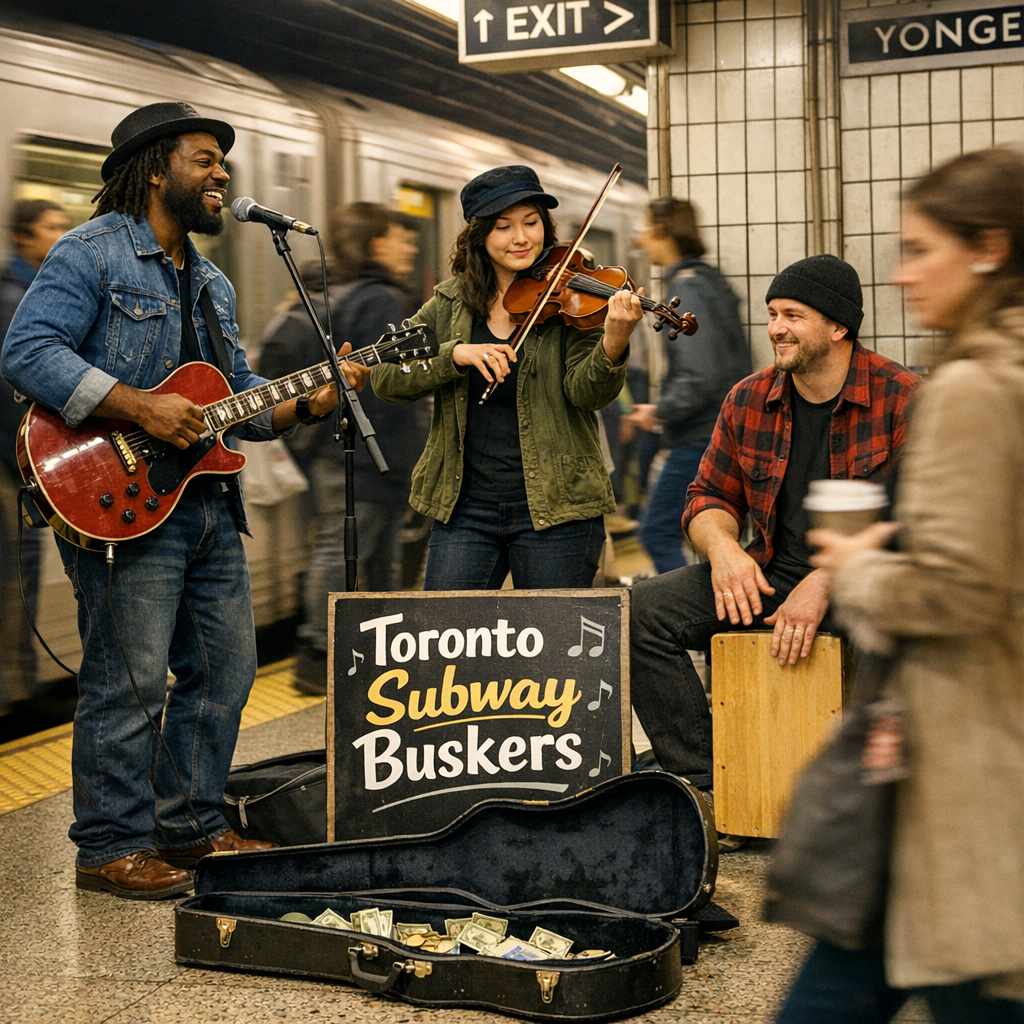
Toronto’s subway musicians also reflect the city’s diversity. Riders might hear classical violin one day, acoustic folk the next, and jazz, pop, or international styles on another trip. That variety mirrors Toronto itself, where communities from around the world shape the local soundscape. It also means the experience of taking the TTC can be different from one station to the next, adding a sense of surprise to an otherwise predictable routine.
There is also a civic pride element to the story. A city’s transit system often leaves a strong impression on residents and tourists, and the atmosphere inside stations can influence how people feel about urban life. Clean, safe, lively stations can strengthen confidence in public transit and encourage people to see it as more than a necessity. When musicians perform in these spaces, they contribute to the feeling that Toronto is not only functional but culturally alive.
What comes next will depend in part on how public agencies and commuters continue to see the role of arts in shared spaces. If support remains strong, subway busking could remain a valued part of the TTC experience and perhaps even inspire fresh conversations about expanding cultural programming in public places. Riders will likely keep deciding, one commute at a time, whether to stop, listen, smile, or drop a few coins into a case. Even brief interactions can help sustain a tradition that has made Toronto’s daily commute more memorable for more than 45 years.
For now, the message from many subway musicians is simple: they are there not only to perform, but to connect. In a city that can often feel fast, crowded, and impersonal, that connection matters. Whether a commuter pauses for a full song or only catches a few notes while hurrying to the next train, the effect can still be real. In the middle of the rush, Toronto’s buskers continue to offer a small but powerful reminder that public life is richer when there is room for art.
Follow Canada News Media
Get the day's top Canadian stories and our two daily 60-second news videos wherever you scroll.
X Threads Facebook Instagram LinkedIn TikTok YouTube Pinterest Reddit Substack Flipboard Newsletter RSS