

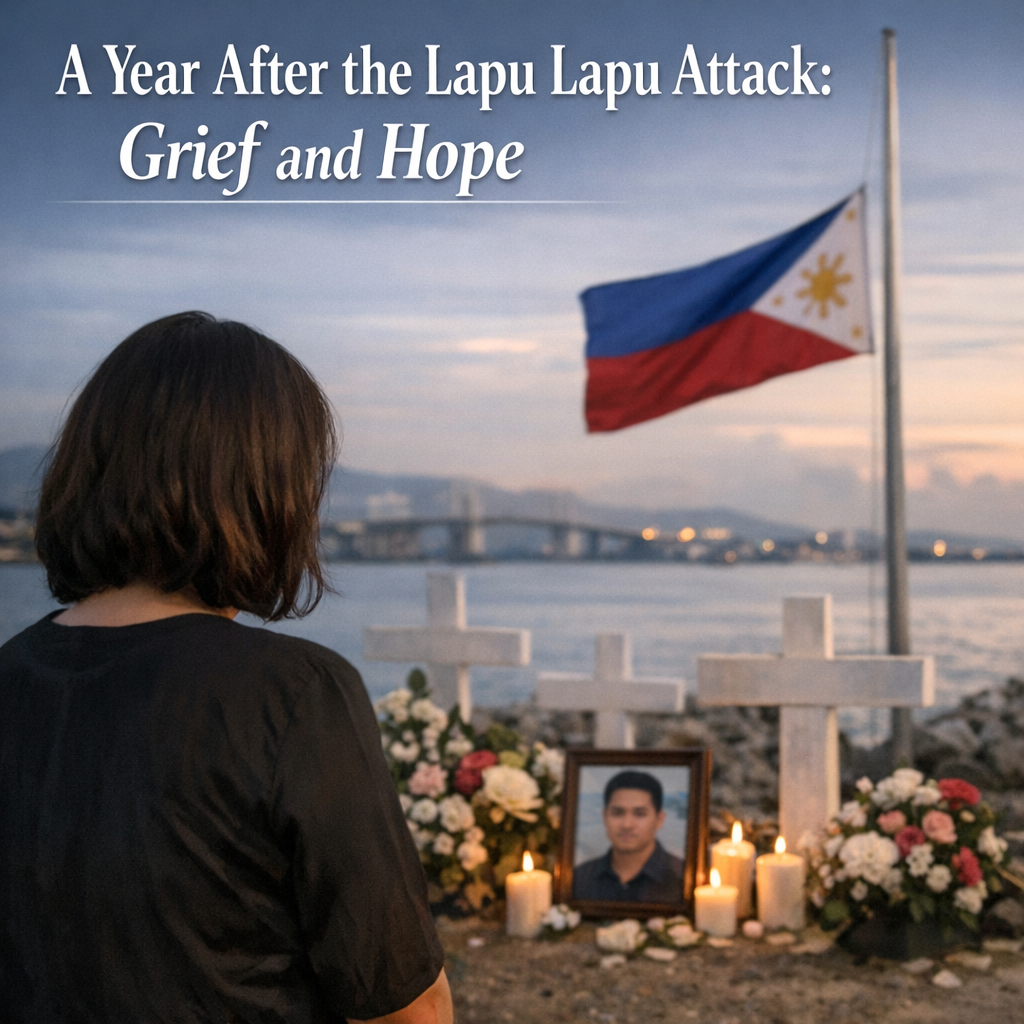
Nearly a year after the deadly attack at Vancouver’s Lapu Lapu festival, many Filipino Canadians say the emotional wounds are still raw. What was meant to be a joyful community celebration has instead become a lasting source of grief, unanswered questions and tension over how to honour those affected. In the months since the tragedy, debates have grown over memorial events, the future of the annual festival and who should lead recovery efforts. For some families and survivors, healing has been slowed not only by trauma but also by public disagreements inside the community.
The story matters across Canada because it highlights how communities respond after a public tragedy and how difficult recovery can be long after headlines fade. It also raises broader questions for Canadian cities, police, festival organizers and community groups about public safety, victim support, crisis communication and transparency around donations. For Filipino Canadians, especially in Metro Vancouver, the issue is deeply personal, but it also speaks to the experience of many immigrant communities trying to preserve culture while coping with loss in the public eye. The divisions now playing out show that recovery is not only about grief counselling and memorials, but also about trust, representation and fair decision-making.
In the coming weeks, attention is likely to remain on how this year’s commemorations are handled and whether organizers can rebuild confidence among grieving families, survivors and community members. People will also be watching for clearer answers around fundraising, the management of donations and plans tied to a proposed Filipino community centre. More broadly, the response may shape how future cultural festivals in Vancouver and elsewhere in Canada approach security, emergency planning and community accountability.
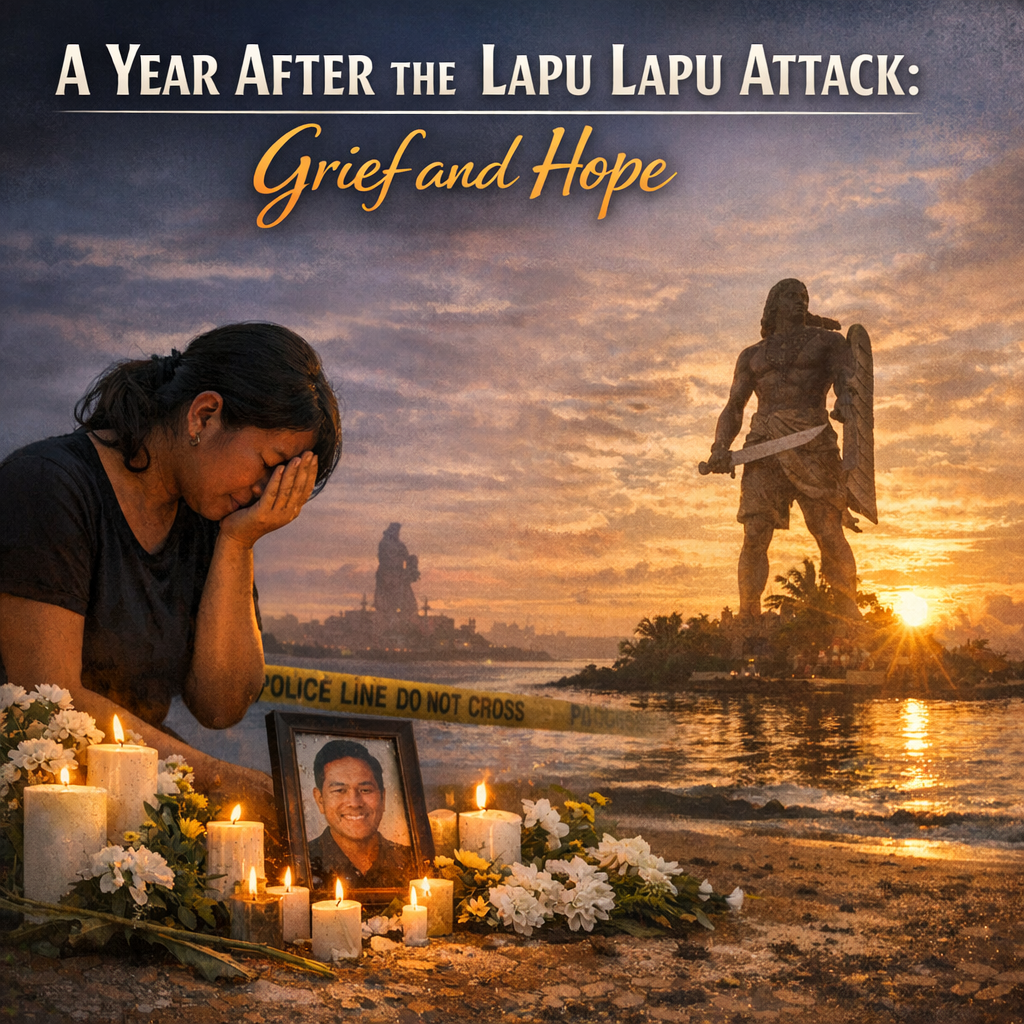
The Lapu Lapu festival is an important celebration for many Filipino Canadians, recognizing a historic figure from the Philippines and serving as a public expression of culture, pride and belonging. The attack in Vancouver on April 26 last year turned that shared celebration into a scene of devastation, leaving victims, relatives and the wider community facing lasting trauma. Since then, support efforts have included vigils, fundraising campaigns, advocacy and discussions about how best to honour those who were killed or injured. But as often happens after high-profile tragedies, the practical questions of who speaks for the community, how money should be handled and what form remembrance should take have become deeply contested.
As the anniversary approaches, the pain remains close to the surface for many people connected to the attack. Survivors and loved ones are still dealing with emotional, financial and psychological fallout, even as public attention has shifted elsewhere. For some, the decision to hold this year’s festival as a symbol of unity and resilience was understandable, a way to reclaim space and refuse to let violence define the community. Others felt the event moved ahead too soon, or without enough sensitivity to those still struggling, exposing a divide between people who see public gathering as part of healing and those who believe remembrance should come before celebration.
That tension has been worsened by disputes over leadership and trust. Questions have surfaced about who has the authority to organize memorials, who should speak on behalf of affected families and whether community organizations have been open enough about financial decisions. Concerns around donations have added another layer of unease, especially when grieving families want reassurance that money raised in the wake of the attack is being distributed fairly and used for its intended purpose. Even when intentions are good, a lack of clear communication can deepen suspicion and leave survivors feeling sidelined.
The discussion around a new Filipino community centre has become another flashpoint. Supporters see such a space as a lasting investment in the community, a place for gathering, culture, services and healing. Critics, however, question whether now is the right time to focus on a major project when some victims and families may still need direct support. Others want a more open process before any long-term plan moves forward, arguing that a centre built in the name of healing must reflect broad community input if it is to unite rather than divide.
For Canadian readers, the Vancouver experience is a reminder that the aftermath of violence is rarely simple or neatly resolved. Public sympathy often arrives quickly after an attack, but long-term recovery depends on sustained care, transparent institutions and leadership that can hold space for disagreement without letting it fracture the community further. This is particularly important in multicultural cities such as Vancouver, Toronto, Calgary and Winnipeg, where cultural festivals are central to community life and civic identity. Municipal governments and event planners may now be taking a closer look at safety planning, trauma-informed responses and how to support organizers before and after a crisis.
The story also reflects a wider Canadian reality: immigrant communities are often asked to be both resilient and publicly unified during moments of loss, even when internal differences are real and deeply felt. Filipino Canadians are one of the country’s largest and fastest-growing communities, with strong roots in health care, caregiving, service industries, business and public life. When a tragedy strikes at a cultural event, the impact reaches far beyond those physically present, affecting people’s sense of belonging, security and confidence in shared public spaces. The debates unfolding in Vancouver are therefore not just local disputes; they are part of a larger conversation about representation, accountability and how communities rebuild after collective trauma.
What happens next may depend less on any single event than on whether trust can be repaired. Families and survivors may want more direct engagement, clearer financial reporting and a stronger voice in decisions tied to memorials, festivals and future projects. Organizers and community leaders, meanwhile, face the challenge of balancing cultural continuity with respect for grief that does not follow a public timetable. If those conversations can happen openly and with care, the anniversary may still become a step toward healing, even if full closure remains far away.
At its core, this is a story about a community trying to move forward while still carrying profound pain. The desire for togetherness is real, but so is the frustration of those who feel unheard or rushed. Vancouver’s Filipino community is not alone in facing that difficult balance, and many Canadians will recognize the challenge of rebuilding trust after trauma. Nearly a year on, the lesson is clear: healing after a public tragedy takes time, patience and a willingness to listen to people whose grief may look very different.
Follow Canada News Media
Get the day's top Canadian stories and our two daily 60-second news videos wherever you scroll.
X Threads Facebook Instagram LinkedIn TikTok YouTube Pinterest Reddit Substack Flipboard Newsletter RSS