


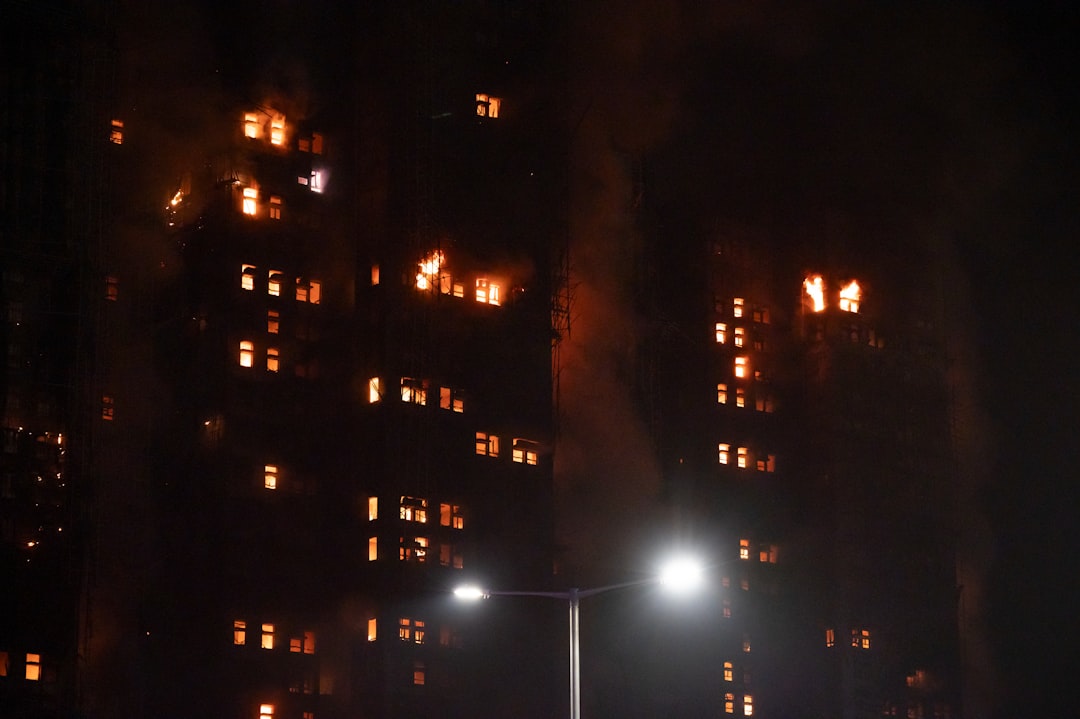
Residents of a large apartment complex were jolted awake when a fast-moving fire broke out, setting off alarms and forcing many to flee with little warning. In the chaos, some tenants were trapped on balconies and had to be helped by firefighters as smoke spread through parts of the building. Emergency crews moved quickly to contain the blaze, rescue residents and prevent even more serious injuries. For the people who live there, it was a terrifying start to the day and a reminder of how quickly a routine morning can turn into a life-threatening emergency.
For Canadians, stories like this hit close to home because so many people live in apartments, condos and other multi-unit buildings where a fire in one area can put dozens or even hundreds of neighbours at risk. It also highlights the pressure placed on local fire departments, paramedics and police, who must respond in minutes when alarms, evacuations and rescues are happening at the same time. In cities across Canada, renters and property managers are being reminded to pay attention to smoke alarms, evacuation routes and building safety rules, especially in older or densely occupied complexes. The incident also raises familiar questions about building maintenance, emergency preparedness and whether residents know what to do when smoke or flames block the usual way out.
In the hours and days ahead, officials will likely focus on the cause of the fire, whether the building had working safety systems and how badly units were damaged. Residents will be watching for updates on re-entry, temporary housing support and any word on injuries, repairs or investigations. Fire prevention officers may also examine whether lessons from this incident should lead to changes in inspections, tenant communication or emergency planning.
Apartment fires can become especially dangerous in the early morning, when many people are asleep and slower to react to alarms, smoke or confusion in hallways. In multi-storey buildings, smoke can travel quickly through corridors, stairwells and shared ventilation areas, making it hard for residents to judge the safest way to escape. Firefighters are trained to make rapid decisions about when to evacuate, when to shelter people in place and when ladder rescues or balcony rescues are necessary. Incidents like this often leave lasting effects on residents, including displacement, smoke damage, lost belongings and emotional stress long after the flames are out.
A frightening apartment fire sent residents scrambling for safety after flames and smoke tore through the Wyndham Crossing complex, turning an ordinary morning into a scene of fear and urgency. Witness accounts describe blaring alarms, shouting in the hallways and emergency crews arriving to pull people from balconies as the situation unfolded. While first responders worked to bring the fire under control, many residents were left outside waiting for news about loved ones, pets and whether their homes had survived. The event underscores how quickly a residential fire can escalate and why rapid emergency response is so critical in densely populated buildings.
This kind of incident matters in Canada because apartment living is a daily reality for millions of people in major cities and growing suburban communities alike. Whether in Toronto, Calgary, Vancouver, Winnipeg or Halifax, residents depend on fire alarms, sprinklers, clear exits and well-rehearsed emergency procedures to keep them safe when seconds count. Property owners, condo boards and landlords across the country may see this fire as a warning to review maintenance practices, ensure alarms are functioning and make sure tenants understand what to do in an emergency. For families, newcomers, seniors and lower-income renters in particular, a sudden fire can mean not only danger in the moment but also longer-term disruption, including temporary displacement and unexpected costs.
What happens next will depend on the fire investigation and the condition of the building once crews complete their safety checks. Authorities will likely try to determine where the fire started, how it spread and whether any building systems failed or helped reduce the damage. Residents will also be looking for support with insurance claims, short-term accommodation and access to essential belongings or medications left behind during the evacuation. Local officials may provide updates on road closures, utility issues and whether unaffected units can be reoccupied.
To understand why these events are so serious, it helps to remember how challenging apartment fires can be compared with fires in single-family homes. Large residential buildings involve shared walls, multiple floors and many occupants, which can make evacuation more complex and rescue efforts more urgent. Smoke inhalation is often one of the biggest dangers, sometimes even more than direct contact with flames, especially for people caught in bedrooms or upper-floor units. Fire departments regularly urge residents to have a plan, know at least two ways out if possible and treat every alarm as real unless emergency officials say otherwise.
As more Canadians live in high-density housing, fire safety has become a more visible public concern. Municipalities invest heavily in prevention, inspection and emergency response, but incidents like this show that personal preparedness still matters. Knowing where stairwells are, keeping exits clear and understanding when to leave and when to wait for instructions can save lives. For the residents affected at Wyndham Crossing, the priority now is recovery, answers and support after a deeply unsettling ordeal.
Follow Canada News Media
Get the day's top Canadian stories and our two daily 60-second news videos wherever you scroll.
X Threads Facebook Instagram LinkedIn TikTok YouTube Pinterest Reddit Substack Flipboard Newsletter RSS