


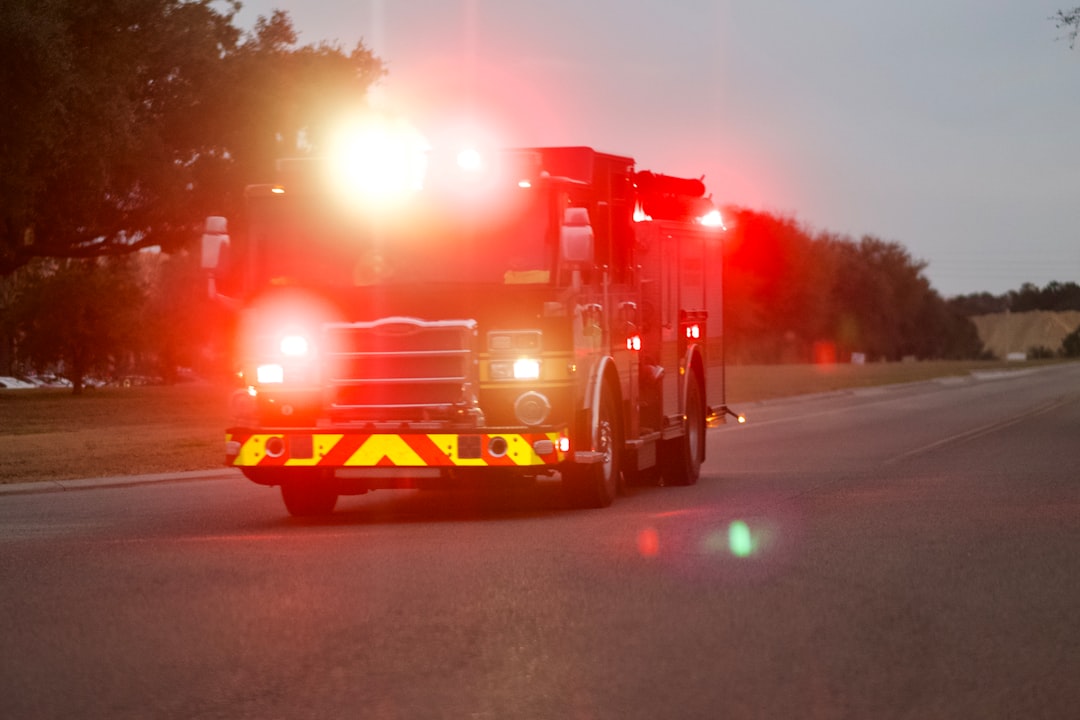
Saskatoon firefighters say they are dealing with a sharp and unusual jump in emergency calls, with crews responding to more incidents than they would normally expect over a short period. Union president Jay Protz says the recent pace has stood out even for experienced members, raising concerns about pressure on staff, equipment and response times. The increase appears to be affecting day-to-day operations across the city as fire crews continue to handle both urgent emergencies and routine calls. The situation is drawing attention to how quickly local emergency services can be stretched when demand rises all at once.
For people in Saskatoon and across Canada, the story highlights how closely daily life depends on reliable emergency response. When firefighters are tied up by a higher number of calls, it can affect wait times for medical emergencies, fires, collisions and rescue situations, especially during busy hours. Canadian municipalities already face difficult choices around staffing, infrastructure and public safety budgets, so a sudden surge in demand can expose weak points in local systems. It also reminds residents that emergency services are not unlimited, and that population growth, social pressures and seasonal risks can all put added strain on first responders.
In the days ahead, residents will be watching to see whether the recent spike in calls is temporary or part of a longer trend. City officials, fire leadership and the union may face new questions about staffing levels, overtime, burnout and whether more resources are needed to keep service reliable. Any public update on call numbers, response times or emergency planning will likely be closely watched by both city hall and the broader community.
The broader context is important. Fire departments in many Canadian cities are no longer responding only to structure fires. Today’s crews are often called to medical emergencies, vehicle crashes, hazardous materials incidents, alarms, public safety checks and rescue calls, making the job much wider than many people realize. At the same time, communities across the country are seeing pressure from population growth, housing strain, addiction and mental health crises, extreme weather and heavier use of emergency systems. When all of those factors overlap, even a well-trained and well-equipped fire service can see workloads rise quickly.
The recent concerns raised in Saskatoon fit into a larger Canadian conversation about how cities prepare for higher demand on front-line services. Firefighters are often among the first people called when something goes wrong, and they are expected to respond fast no matter the type of emergency. That expectation is built into public trust. Residents assume that when they dial 911, help will arrive quickly, with enough people and equipment to handle the situation safely. When a union leader says members are seeing an unprecedented increase in calls, that wording carries weight because it points to pressure being felt directly by the people on the front lines.
In practical terms, a busy stretch can affect more than just the firefighters on shift. It can increase overtime costs, leave fewer crews available for overlapping emergencies and create a ripple effect across the wider emergency system, including paramedics, police, hospitals and dispatchers. If one service is stretched, the others often feel it too. In a growing Prairie city like Saskatoon, that matters because residents depend on a coordinated network of public services to keep neighbourhoods safe. A sustained increase in emergency calls can become both a staffing issue and a broader municipal planning issue.
The timing also matters. Depending on the season, fire departments can face additional pressure from weather events, grass fires, dangerous road conditions, heat-related emergencies or other local hazards. Even without a single major disaster, a cluster of smaller incidents can quickly overwhelm available crews. What may look like a temporary spike can reveal longer-term trends, especially if population changes or social challenges are pushing more people to rely on emergency services as a last resort. That is why local leaders will likely be looking closely at the data behind the recent increase.
For Canadian readers, the story may feel familiar even if they do not live in Saskatchewan. Across the country, local governments are trying to balance tax pressures with rising demand for core services. Emergency response is one of the clearest examples of that tension because the public notices immediately when capacity is strained. Most residents may not think about staffing models, dispatch loads or station coverage in everyday life, but those details become crucial during moments of crisis. News from Saskatoon is a reminder that behind every emergency call is a system that requires planning, funding and people willing to do difficult work under pressure.
There is also a human side to the story. A prolonged jump in call volume can take a toll on firefighters physically and mentally, especially when crews are moving from one emergency to the next with little downtime. Canadian fire departments have been speaking more openly in recent years about stress, fatigue and mental health among first responders. If heavy call volumes continue, those concerns could become part of the public discussion in Saskatoon as well. Supporting first responders is not only about praising their work, but also about making sure they have the staffing, training and recovery time needed to do the job safely.
What comes next will depend on whether the city sees this surge settle down or continue. If call volumes remain high, there could be growing pressure for a review of staffing, deployment and emergency planning. Residents may also hear more about prevention efforts, public education and ways to reduce unnecessary strain on emergency systems. For now, the message from Saskatoon firefighters is clear: demand has risen sharply, crews are feeling it, and the community has a strong interest in how the city responds.
Follow Canada News Media
Get the day's top Canadian stories and our two daily 60-second news videos wherever you scroll.
X Threads Facebook Instagram LinkedIn TikTok YouTube Pinterest Reddit Substack Flipboard Newsletter RSS