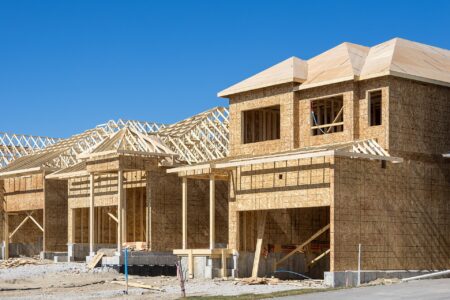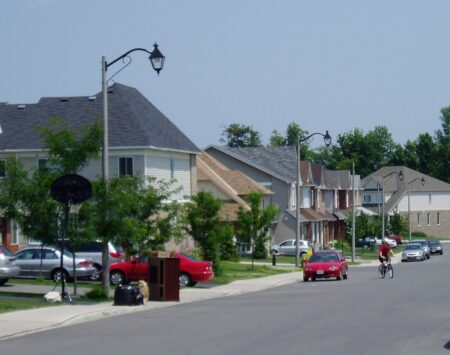



Oxford Economics expects Canadian home sales and prices to keep falling this fall and into early 2027 as mortgage rates rise, with a recovery not arriving until the second half of 2027, the forecaster said in a new outlook reported Oct. 23.
“We expect home sales volumes and prices to slide this fall and into early next year as mortgage rates rise,” Tony Stillo, Oxford’s director of Canada economics, said, according to Better Dwelling, which reported the forecast. The firm did not give a peak-to-trough price estimate in the portion of the outlook Better Dwelling published, and Canada News Media has not independently reviewed the full Oxford report.
Better Dwelling reported that Oxford considers the current downturn the largest correction on record “by some measures.” Oxford expects a recovery from the second half of 2027 through 2028, a little over five years after the correction began, and warned it could prove deeper or longer than its baseline if prices stay stretched relative to incomes.

The forecast hinges on borrowing costs. Oxford expects the Bank of Canada to raise its key rate by 25 basis points on Oct. 28, possibly delayed if weak jobs data intervene, and again in early December, Better Dwelling reported. That would take the overnight rate to 2.75 per cent by January from 2.25 per cent, a level Oxford considers neutral.
Oxford is not alone in expecting a hike. A report on rate-hike odds ahead of Oct. 28 noted that UBS, Manulife and Scotiabank have also moved their calls toward a move this month. RBC, by contrast, expects a hold in the near term and a gradual hiking cycle starting in early 2027.
Lenders have already moved. Several big banks have raised fixed rates since early September, and a 0.20-percentage-point increase adds about $55 a month for every $500,000 borrowed on a five-year term. The C.D. Howe Institute has separately said higher bond yields will lift payments for borrowers renewing mortgages.
Stillo said a rapid rise in bond yields will keep pushing borrowing costs higher across the economy, and that elevated household debt will continue to constrain spending, Better Dwelling reported.
Oxford also expects Brent crude to stay above US$100 a barrel for six months, which it projects will hold headline inflation in the mid-3-per-cent range through late 2026 and early 2027. Statistics Canada reported inflation of 3.1 per cent in September.
The labour market adds to the pressure. Statistics Canada reported on Oct. 9 that the economy shed 68,000 jobs in September and the unemployment rate rose to 6.5 per cent, according to CP24. Better Dwelling said that is about 110,000 jobs lost over the last two reports.
Oxford also said it expects Canada’s population to decline if Ottawa meets its goal of cutting non-permanent residents to five per cent of the population by the end of 2027. It is waiting for the federal government’s next immigration update before revising its demographic forecast, Better Dwelling reported.

The outlook lands as recent market data point in different directions by city. Royal LePage reported price declines in Vancouver and Toronto and gains in Montreal and Ottawa in the third quarter.
Oxford’s forecast is one economist’s view, and forecasts from other institutions differ. The Bank of Canada’s decision on Oct. 28 will be the next test of the rate path on which the outlook depends.
If you find reporting like this useful, consider supporting Canada News Media, an independent Canadian newsroom with no corporate parent.
Follow Canada News Media
Get the day's top Canadian stories and our two daily 60-second news videos wherever you scroll.
X Threads Facebook Instagram LinkedIn TikTok YouTube Pinterest Reddit Substack Flipboard Newsletter RSS