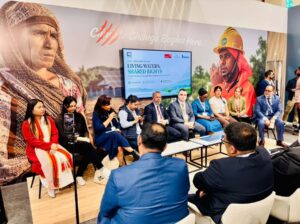


Quebec has not decided which of four candidates it will back to lead the Organisation internationale de la Francophonie, with the vote set for Nov. 16 at the end of the group’s summit in Phnom Penh, Cambodia.
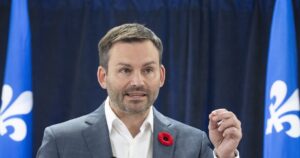
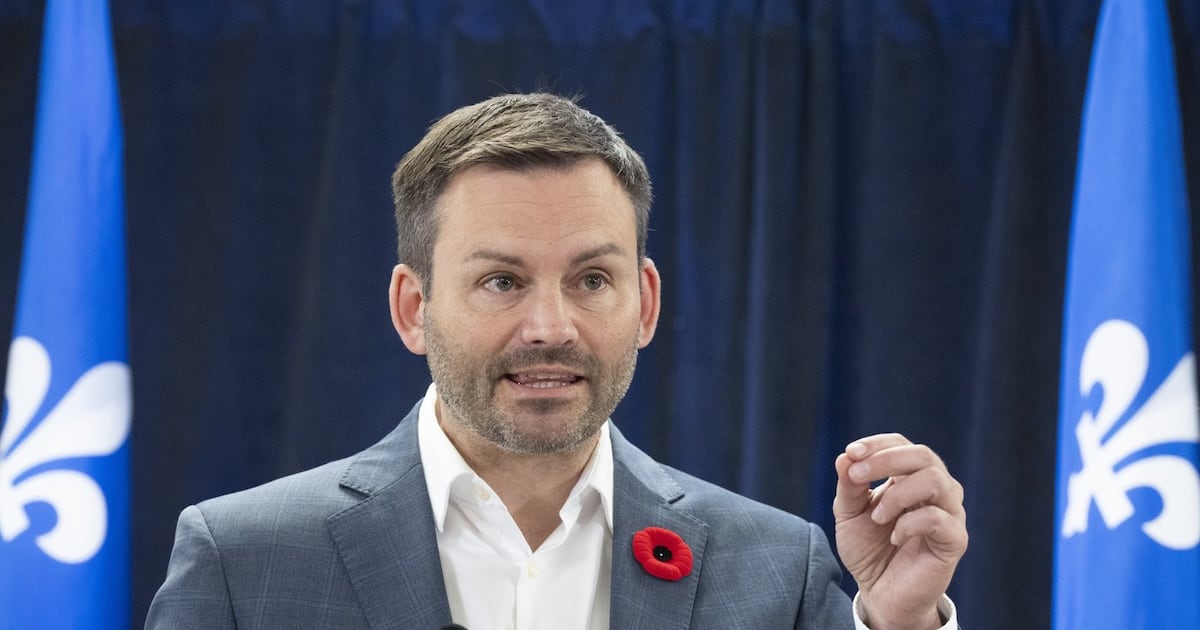
Premier Paul St-Pierre Plamondon’s office told The Canadian Press that the province has not yet made up its mind. Camille Jobin, a spokesperson for the Ministry of International Relations, said Quebec hopes the person elected “will bring strong influence and unity to the Francophonie and be receptive to Quebec’s priorities and interests.”
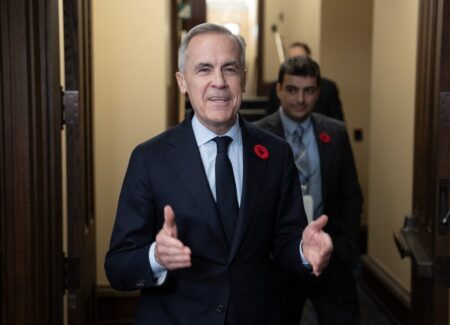
St-Pierre Plamondon has said he places particular importance on international relations and is set to attend the 20th Francophonie Summit. It will be the first time the new Parti Québécois government takes part in the gathering. The premier is also expected to hold his first meeting with Prime Minister Mark Carney on the sidelines of the summit.
Le Devoir reported on the weekend that four candidates are vying for the post of secretary-general. They are Rwandan Louise Mushikiwabo, who is seeking a third term, Congolese candidate Juliana Amato Lumumba, former Romanian prime minister Dacian Ciolos and Coumba Bâ of Mauritania.
Three of the four candidates are African women and one is a European man. Since the position was created in 1997, every secretary-general has been African, with the exception of Canada’s Michaëlle Jean.
The organization has about 90 members. Canada was a founding member in 1970, Quebec became a full member in 1971 and New Brunswick joined in 1977. Ontario and Nova Scotia hold observer status, and Manitoba has said it is interested in becoming a member.
The secretary-general represents the world’s most important francophone players and oversees an annual budget of about $116 million. Canada contributed $43 million in 2025-26, making it the second-largest contributor after France.
The race is taking place against a backdrop of tensions between Rwanda and the Democratic Republic of Congo. Under Mushikiwabo, the organization opened offices in Beirut, Tunis and Quebec City, accepted seven new members, and saw Burkina Faso, Mali and Niger withdraw.
The St-Pierre Plamondon government has been building its international profile since taking office in October. The premier spoke with French President Emmanuel Macron on Oct. 27 and has said he plans a trip to France.
If you find reporting like this useful, consider supporting Canada News Media, an independent Canadian newsroom with no corporate parent.
Follow Canada News Media
Get the day's top Canadian stories and our two daily 60-second news videos wherever you scroll.
X Threads Facebook Instagram LinkedIn TikTok YouTube Pinterest Reddit Substack Flipboard Newsletter RSS