



Sudan faces a growing risk of famine as El Niño-driven drought cuts harvests across a country already torn by more than three years of war, with the World Food Programme (WFP) warning that aid is falling just as crops fail, Reuters reported on Oct. 23, 2026.
The WFP expects an additional 350,000 people to face severe hunger by the end of 2026, rising to 1.2 million more by August 2027, Samuel Clendon, the agency’s head of programme for Sudan, said in October. Darfur and Kordofan are expected to be the worst-hit regions. In June, the UN-backed Integrated Food Security Phase Classification (IPC) said 5.1 million people already faced severe hunger, and it is now updating those figures.
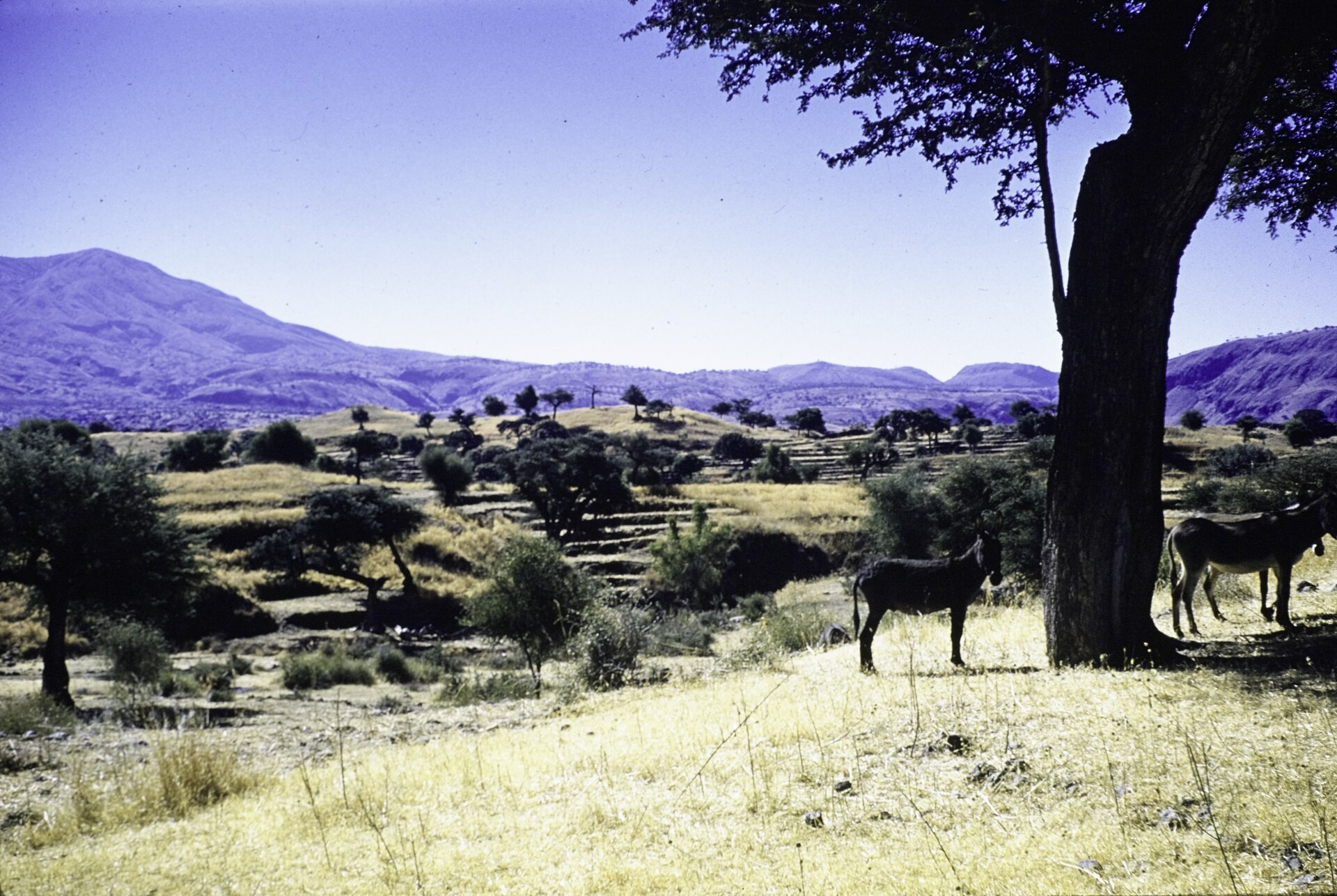
Rainfall from July to September was the lowest in more than three decades nationally, according to U.S. Geological Survey data cited by Reuters. North Darfur recorded its lowest rainfall since 1984, North Kordofan since 1990 and Gedaref since 1991.
The IPC warned in an Oct. 12 alert that “the risk of famine is growing in many conflict-affected areas of Sudan.” Famine pockets were declared in 2024 and 2025, including in al-Fashir, and famine expert Alex De Waal told Reuters conditions are now much worse because of the conflict and cuts to aid budgets.
Farmers described steep losses. Emad Kabsoor, who runs a large farm in Gedaref state, said he expects about a quarter of last year’s crop. Mohamed Abdelrahman estimated that about 40 per cent of the land around Um Rawaba in North Kordofan will yield no harvest.
The WFP had US$276 million for its Sudan operation as of Oct. 17, less than half of last year’s budget, and says it needs another US$134 million to respond to drought-related hunger. It is prioritizing five million of the neediest people and has cut rations. In Tawila, a Darfur camp holding about 700,000 displaced people, rations were halved, acting WFP executive director Carl Skau said. Aid workers reported 9,000 more arrivals between early September and mid-October. Skau called the combination of falling aid and failing harvests a “recipe for disaster.”
Sudan’s agriculture minister, Esmat Qureshi, said on Oct. 8 that this year’s harvest would be lower but “not significantly less” than last year’s. Aid agencies accuse both the army and the paramilitary Rapid Support Forces (RSF) of blocking or hindering deliveries, which both sides deny. Abdelrahman Ismail, head of the RSF’s humanitarian aid authority, said the group has sought early co-ordination and would do more with adequate resources.
Adam Rojal, of the General Co-ordination of IDPs and Refugee Camps in Sudan, said hunger is now a driver of displacement. “It’s no longer just about bullets,” he said.
Canada is among the donors. On April 15, 2026, at the International Sudan Conference in Berlin, the federal government announced more than $120 million in new support, including over $94 million in 2026 humanitarian aid for Sudan, South Sudan and Chad, $25 million in development funding and $1.25 million for peace and stabilization, according to Global Affairs Canada. Foreign Affairs Minister Anita Anand said Canada “calls on all parties to end the violence and commit to a ceasefire.” Canada advises against all travel to Sudan.
The warning follows weeks of worsening news from the country. Canada News Media has reported on drone strikes that killed children while the UN aid plan was 43 per cent funded and on a BBC investigation into 43 attacks on el-Fasher hospitals.
The WFP has not said when it expects the funding gap to close. The IPC is expected to publish updated hunger figures for Sudan.
Via Reuters.
If you find reporting like this useful, consider supporting Canada News Media, an independent Canadian newsroom with no corporate parent.
Follow Canada News Media
Get the day's top Canadian stories and our two daily 60-second news videos wherever you scroll.
X Threads Facebook Instagram LinkedIn TikTok YouTube Pinterest Reddit Substack Flipboard Newsletter RSS