


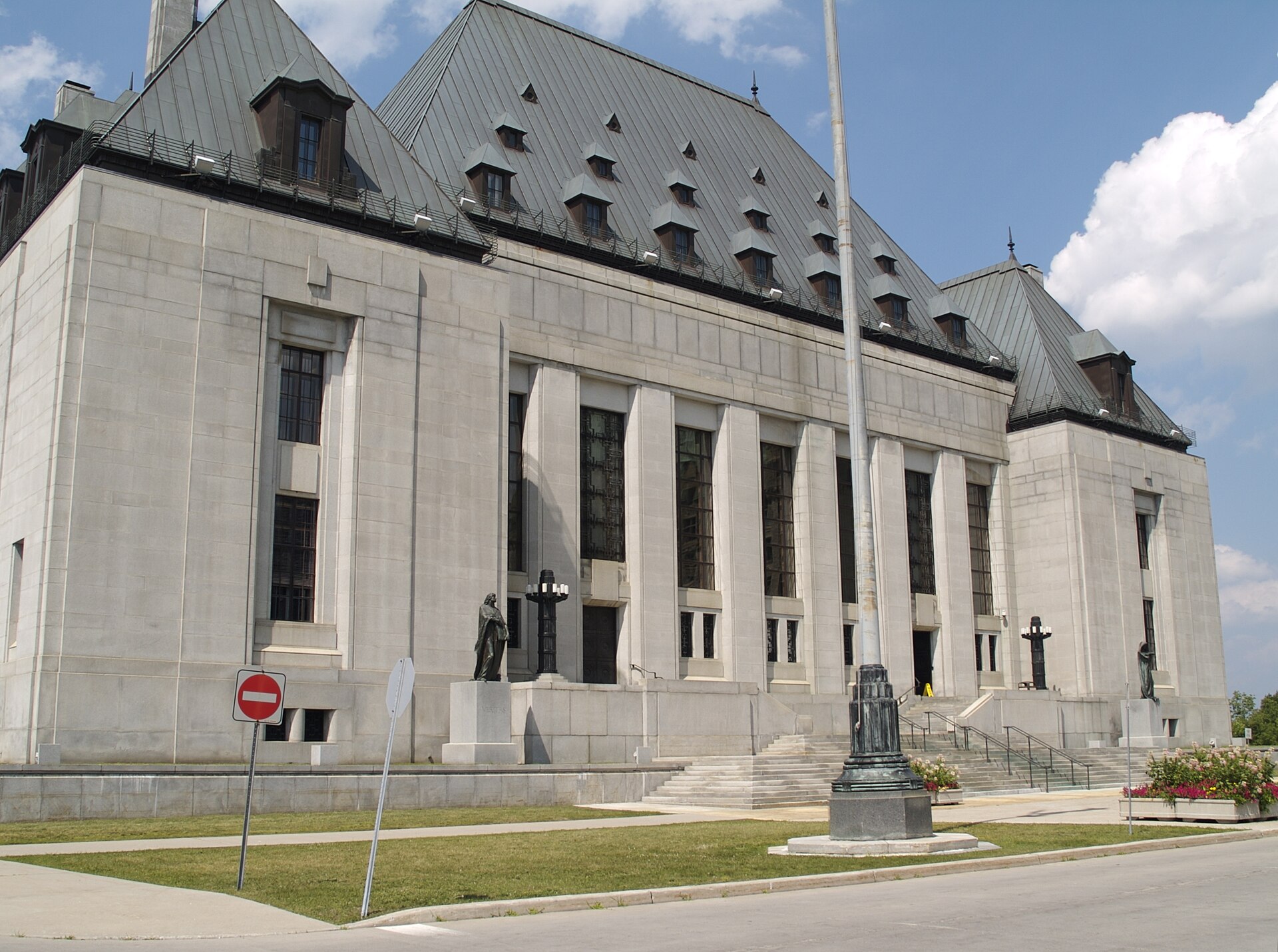
The Supreme Court of Canada has ruled that the screening rules that limit questions about a complainant’s sexual history do not automatically apply in prosecutions for sexual services and human trafficking offences, upholding an Ontario Court of Appeal decision that ordered new trials for two men.
In R. v. A.M., 2026 SCC 33, released Oct. 16, the court unanimously dismissed an appeal by the Ontario Crown. Justice Mary Moreau wrote the reasons for all nine judges.
The case turned on Section 276 of the Criminal Code, often called the rape shield provision. It requires a judge to screen, in advance, any defence evidence about a complainant’s sexual activity that is not the subject of the charge, and it bars that evidence from being used to suggest a complainant was more likely to have consented or is less worthy of belief. The section lists the specific offences it covers. Sexual services offences, such as procuring and receiving a material benefit, and human trafficking offences are not on that list.
The Crown asked the court to rule that Section 276 applies to those offences in every case. It argued, in the alternative, that judges should extend similar common-law screening rules to them.
The court rejected both arguments. Moreau wrote that categorically adding sexual services and human trafficking offences to the provision “would be contrary to Parliament’s intent,” noting that Parliament left those offences out when it amended Section 276 while including them in neighbouring screening regimes.
Instead, the court said judges must decide case by case. Section 276 will still apply when a listed offence such as sexual assault is the predicate for, or included in, the offence charged, or when all of the elements of a listed offence are at issue in the trial.
“It is the court’s job to balance the elimination of myths and stereotypes in sexual offence cases with the accused’s right to full answer and defence,” Moreau wrote.
The ruling said evidence of a complainant’s prior sex work cannot be used to suggest a general tendency to engage in sex work or sexual activity. But it can be relevant for other purposes, such as the commercial side of the work or the nature of the relationship with the accused. Trial judges remain the “ultimate evidentiary gatekeeper” and can stop improper questioning, the court said.
At the original trial in Ontario, the judge applied Section 276 and barred the defence from cross-examining the complainant about her previous sex work. The two accused, identified only by their initials, were convicted of three sexual services offences and acquitted of two human trafficking offences. In 2024 ONCA 661, the Court of Appeal found the trial judge erred, quashed the convictions and ordered new trials. The Supreme Court affirmed that order, so the case now returns to the trial court. The complainant’s identity is protected.
The decision applies the law as it stood at the time of the trial. In a footnote, the court noted that Parliament has since amended Section 276 through the Protecting Victims Act, S.C. 2026, c. 19, and that those changes were not considered in the ruling.
The attorneys general of British Columbia and Alberta, the Raoul Wallenberg Centre for Human Rights and the Criminal Lawyers’ Association (Ontario) intervened. The court heard the appeal on Feb. 11.
The ruling follows other recent decisions from the country’s top court, including its move to hear Ottawa’s Emergencies Act appeal and to take up the federal ban on home distilling.
If you find reporting like this useful, consider supporting Canada News Media, an independent Canadian newsroom with no corporate parent.
Follow Canada News Media
Get the day's top Canadian stories and our two daily 60-second news videos wherever you scroll.
X Threads Facebook Instagram LinkedIn TikTok YouTube Pinterest Reddit Substack Flipboard Newsletter RSS