

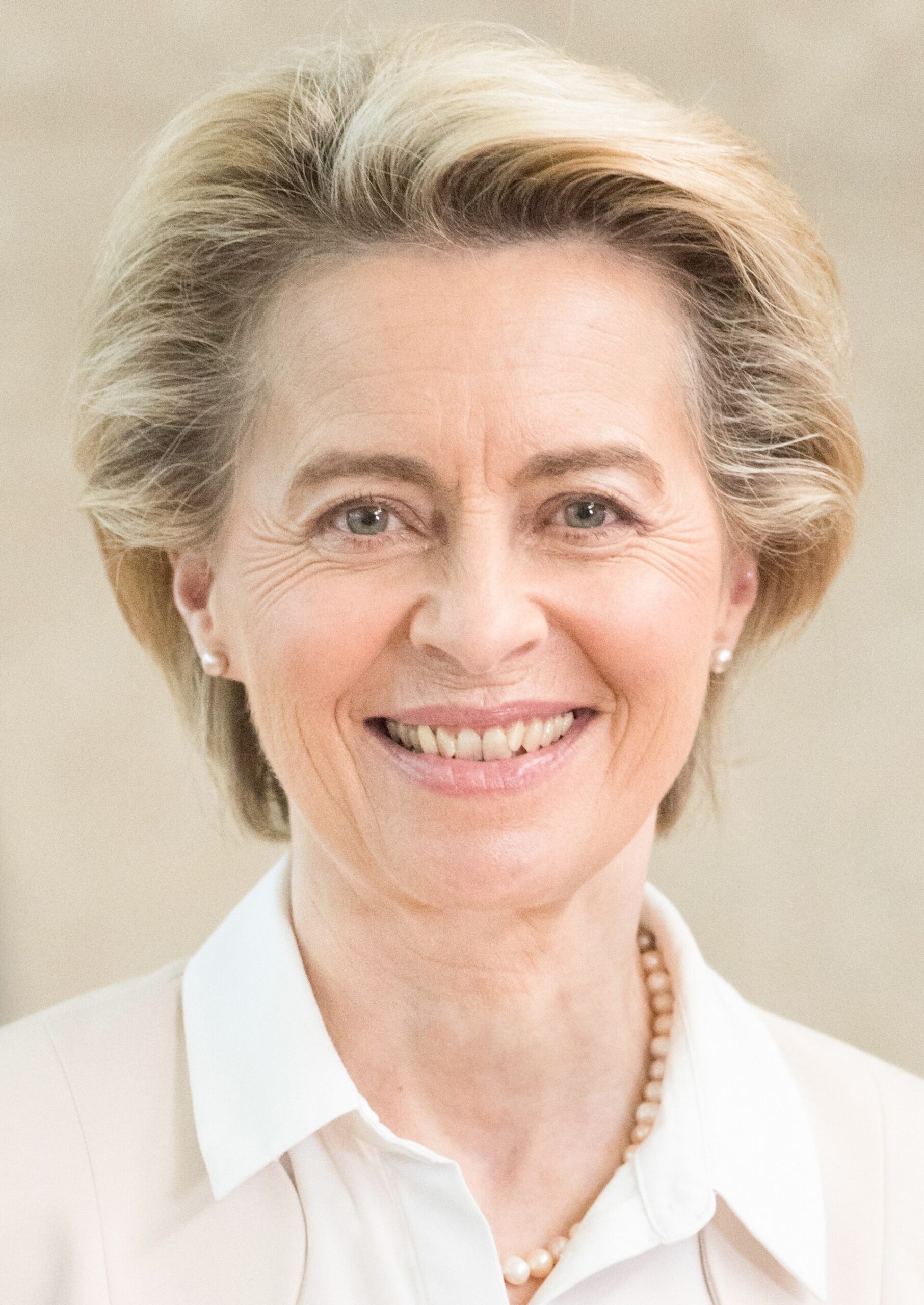
European Commission President Ursula von der Leyen told Hungary’s parliament in Budapest on Oct. 23 that “European funding is back,” promising more EU money for the country by the end of 2026 as Brussels and Prime Minister Péter Magyar’s government mark a thaw after years of conflict.
The pledge came at commemorations for the 70th anniversary of the 1956 uprising against Soviet rule, and about 200,000 people fled Hungary after the revolt was crushed, von der Leyen said, according to The Irish Channel. No amounts or disbursement timetable beyond “by the end of the year” were given in the coverage reviewed.
Von der Leyen said the funding would include NextGenerationEU money and funds tied to academic freedom, Report.az reported. She said Hungary’s access to the Horizon Europe research program has been restored and that all Hungarian students can again take part in the Erasmus exchange program.
“Your hard work is paying off,” she told Magyar’s government, Report.az reported. She praised stronger anti-fraud and anti-corruption rules and more transparency in public spending, and said Hungary is moving to join the European Public Prosecutor’s Office, the EU body that prosecutes fraud against the bloc’s budget.
She also said about eight in ten Hungarians voted in the April election, the highest turnout since the end of communist rule, and that “democratic backsliding can be reversed,” according to The Irish Channel. She added: “Freedom is a fire that catches.”
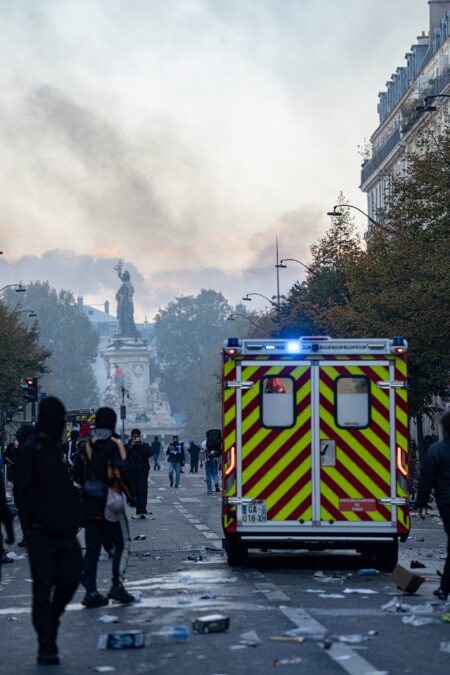
European Council President António Costa also took part in the commemorations, Euronews reported. It was von der Leyen’s first trip to Hungary since 2024. French President Emmanuel Macron did not attend; Euronews said the French embassy in Budapest confirmed his absence, and its Oct. 23 newsletter tied the cancellation to riots in France. Ukrainian President Volodymyr Zelenskyy was invited but was not expected to attend.
Magyar’s Tisza party won power in the April election, ending the long rule of Viktor Orbán, whose government repeatedly blocked EU support for Ukraine and kept close ties with Russian President Vladimir Putin, Euronews reported. Magyar’s government has named Russia a security threat and approved opening four negotiating clusters in Ukraine’s EU accession talks, Euronews said. The same outlet reported that Budapest blocked the next steps in those talks earlier this week, even though Kyiv had met previous demands.
That mixed record is the part to watch. Our earlier reporting covered how the EU opened two more Ukraine and Moldova accession clusters and how Magyar and Zelenskyy met as the bloc launched a Ukraine task force.
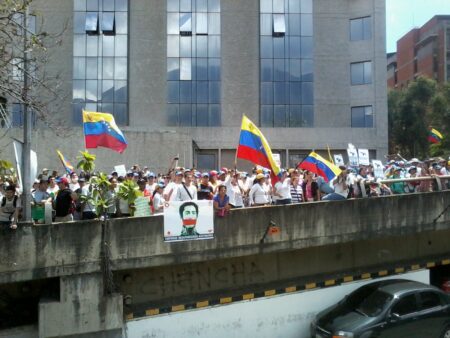
For Canada, the anniversary has a direct link. Canada took in about 37,000 Hungarian refugees after 1956, one of the largest resettlements in its history, and Hungarian Canadian communities across the country trace their roots to that wave. We explored that history in On this day: Hungary’s 1956 revolt and Canada’s refugees. A Hungary that stops vetoing EU decisions on Ukraine would also matter to Ottawa, which backs Kyiv alongside its European partners.
What happens next is the release of the promised funds before the end of the year and whether Budapest lifts its hold on Ukraine’s accession talks. Via Euronews, The Irish Channel and Report.az.
If you find reporting like this useful, consider supporting Canada News Media, an independent Canadian newsroom with no corporate parent.
Follow Canada News Media
Get the day's top Canadian stories and our two daily 60-second news videos wherever you scroll.
X Threads Facebook Instagram LinkedIn TikTok YouTube Pinterest Reddit Substack Flipboard Newsletter RSS