




A tax-free savings account (TFSA) is a registered account that holds savings and investments and lets the income they earn grow free of tax. According to the Canada Revenue Agency (CRA), it is “a registered savings account that functions like an investment account” that “can hold cash savings and investments that generate tax-free income.”
The CRA says any contribution you make and any interest, dividends or capital gains you earn are generally tax-free, even when you take money out. Unlike a registered retirement savings plan (RRSP), contributions to a TFSA are not tax deductible, so you put in money you have already paid tax on and do not get a refund for doing so.
To open one, the CRA says you must be a resident of Canada for income tax purposes, be 18 years of age or older and have a valid Social Insurance Number. In some provinces and territories, you must be 19 to enter the contract. You do not need to have earned income to open or contribute to a TFSA. Contribution room starts building up at 18 for residents, and people who move to Canada begin to build room in the year they become residents, according to the CRA.
The TFSA dollar limit for 2026 is $7,000, added to your room on Jan. 1, 2026, the CRA says. The limit is indexed to inflation and rounded to the nearest $500. The CRA publishes the limits in groups of years, shown below as of its page dated Feb. 20, 2026.
| Year | Annual TFSA dollar limit |
|---|---|
| 2009 to 2012 | $5,000 |
| 2013 and 2014 | $5,500 |
| 2015 | $10,000 |
| 2016 to 2018 | $5,500 |
| 2019 to 2022 | $6,000 |
| 2023 | $6,500 |
| 2024 to 2026 | $7,000 |
Adding up those CRA figures, a Canadian who has been eligible since 2009 and never contributed would have $109,000 in total room by 2026. The CRA has not set a limit for 2027 on the pages we reviewed; our report on the 2027 RRSP limit explains where that stands.
Your available room is the current year’s limit, plus any unused room from earlier years, plus any withdrawals you made the previous year, minus contributions already made this year. That middle point matters. The CRA says an amount you withdraw is added back to your room only on Jan. 1 of the next calendar year, so putting the money back in the same year can push you over your limit.
Going over the limit has a cost. The CRA says any excess amount is taxed at one per cent per month for as long as it stays in the account. The same one per cent monthly tax applies to contributions made by non-residents, with limited exceptions. If you have more than one TFSA, the limit applies to all of them combined, not to each one separately.
A TFSA is not a type of investment. It is a wrapper that can hold investments, and the CRA says the qualifying ones include cash, guaranteed investment certificates, government and corporate bonds, mutual funds and securities listed on a designated stock exchange. The CRA notes these are generally similar to what qualifies for an RRSP. What you hold inside the account is up to you and the financial institution that issues it.
Because withdrawals are not taxed, the CRA says money taken out of a TFSA, and income earned inside it, does not affect federal income-tested benefits and credits. The agency lists Old Age Security, the Guaranteed Income Supplement, Employment Insurance, the Canada child benefit, the Canada workers benefit and the GST credit as unaffected.
To check your room, the CRA says to sign in to your CRA account and use the contribution room calculator, but also warns that the figure shown is updated only once a year in the spring. It advises using your own records of contributions and withdrawals to work out what you have left.
Official sources: the CRA pages What is a TFSA, Opening a TFSA, Before you contribute to a TFSA and Calculate your TFSA contribution room.
This article explains how the account works and is not tax or financial advice. Check your own situation with a qualified adviser or the CRA.
If you find reporting like this useful, consider supporting Canada News Media, an independent Canadian newsroom with no corporate parent.
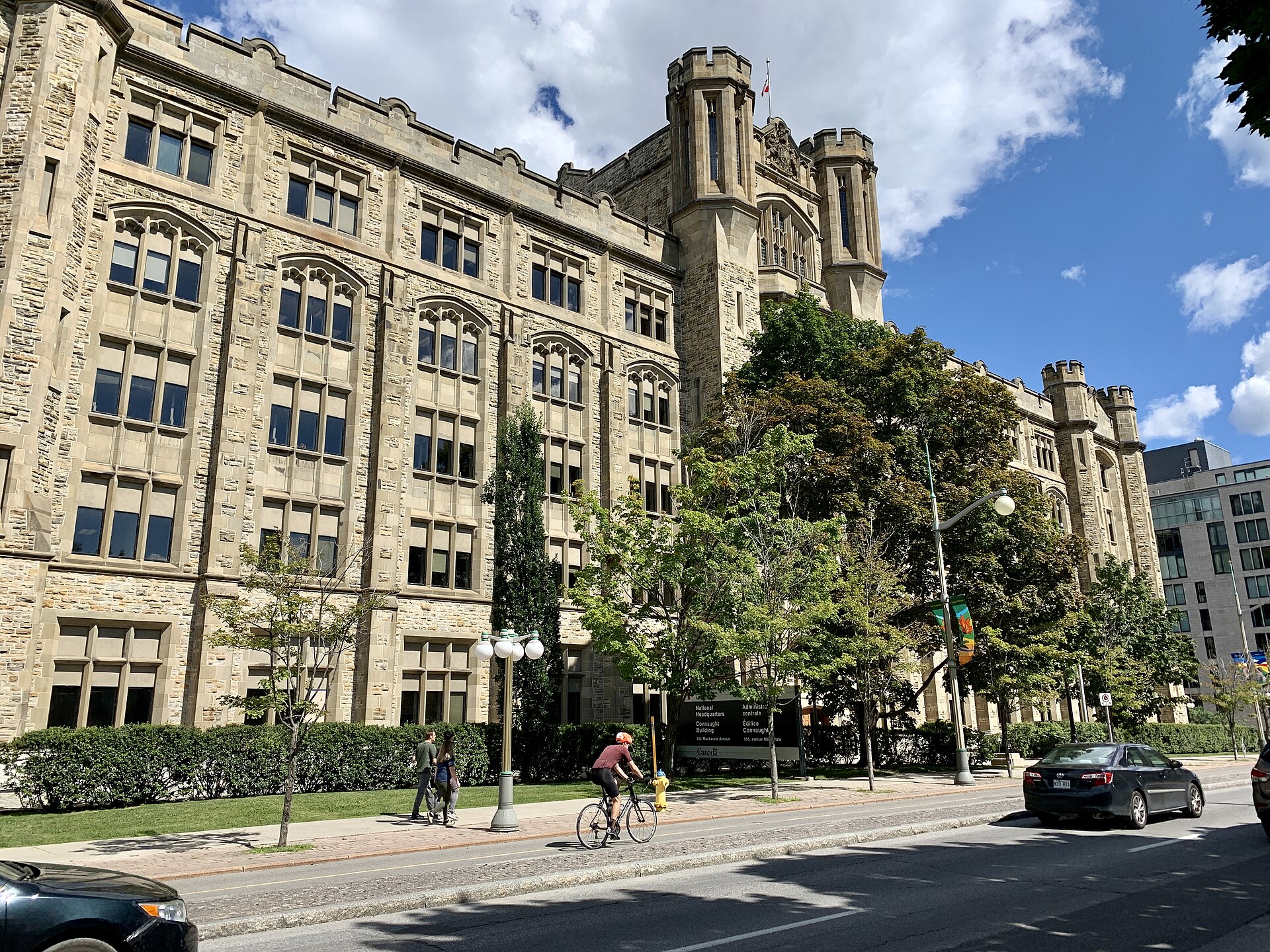
File photo: The Connaught Building in Ottawa, headquarters of the Canada Revenue Agency. Photo by Itooksomepics, Wikimedia Commons, CC BY-SA 4.0.
Follow Canada News Media
Get the day's top Canadian stories and our two daily 60-second news videos wherever you scroll.
X Threads Facebook Instagram LinkedIn TikTok YouTube Pinterest Reddit Substack Flipboard Newsletter RSS