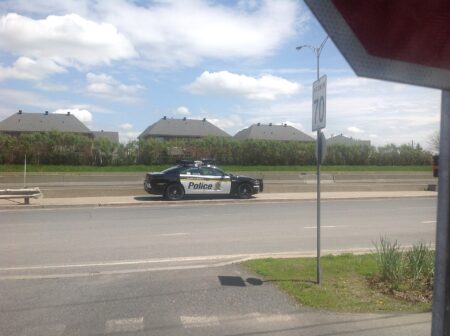



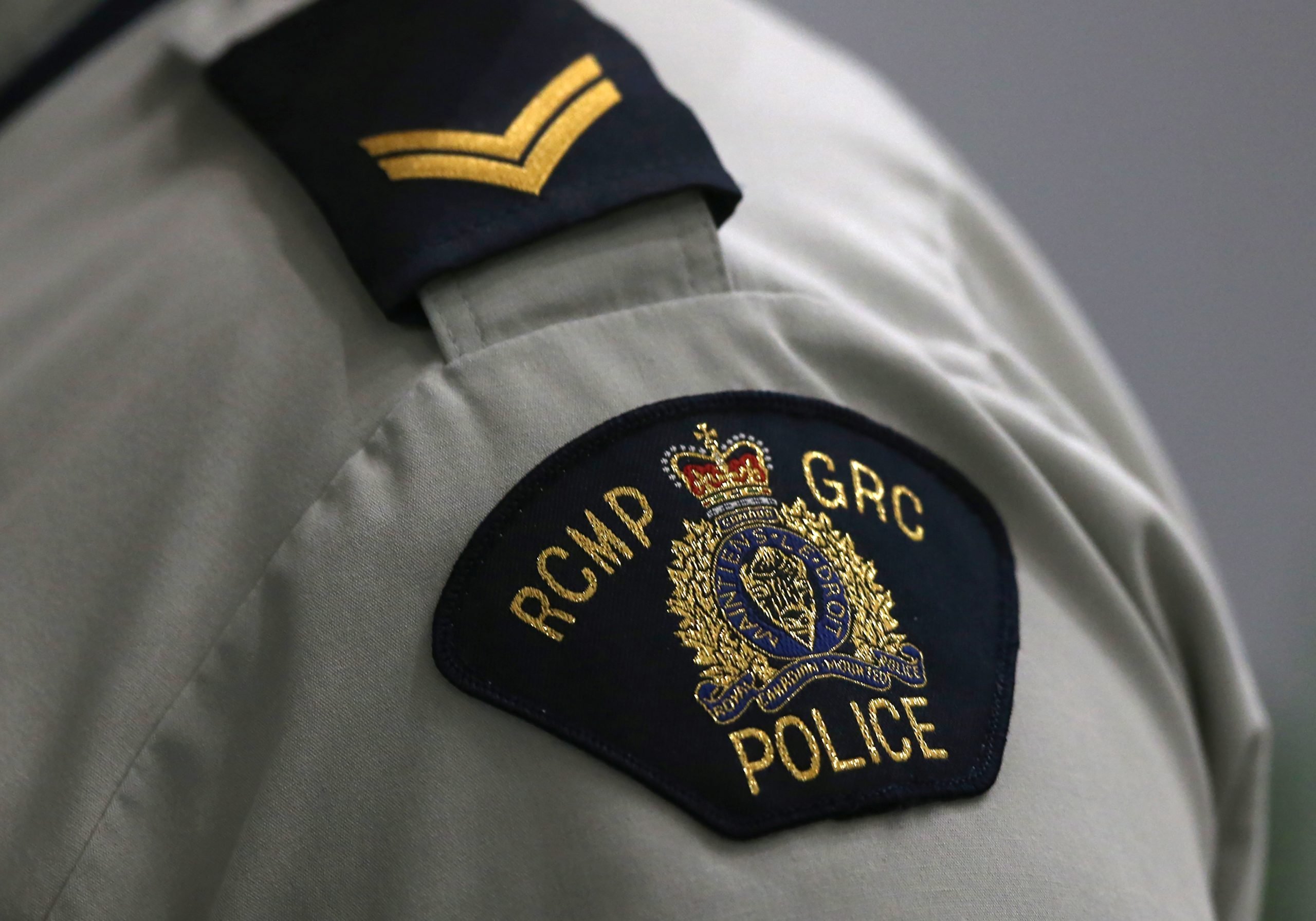
In a historic and courageous move, several Black officers serving within the ranks of the Royal Canadian Mounted Police (RCMP) have chosen to step into the spotlight and shine a searing light on their daily ordeals of enduring racism “on a regular basis.” Their testimonies reveal the deep-seated systemic issues lurking within the RCMP, casting a long-overdue spotlight on diversity, equity, and inclusivity issues plaguing one of Canada’s most iconic institutions.
The RCMP, often lauded as a symbol of Canadian law enforcement and integrity, has come under growing scrutiny in recent years due to allegations of systemic racism and discrimination within its ranks. Now, Black officers, risking their careers and livelihoods, have decided to break their silence and share their deeply personal experiences of adversity within the force.
One officer, who has chosen to remain anonymous due to the fear of reprisal, revealed the emotional toll that comes with “being treated differently because of the color of my skin.” They recounted numerous instances of racially charged comments and microaggressions encountered during their tenure. “Every day feels like an uphill battle,” they said.
Another officer, similarly choosing anonymity, detailed how racial profiling has consistently plagued their interactions with the public and fellow officers. “I shouldn’t have to prove I belong here,” they remarked, emphasizing the exhaustion that accompanies the constant need to assert their right to serve without discrimination.
The personal accounts shared by these officers shed a glaring light on systemic issues that reach far beyond individual biases. They highlight the urgent need for comprehensive structural changes within the RCMP to tackle racial bias and discrimination at its roots. These experiences underscore the gravity of the problem, not just within the RCMP but across the broader law enforcement landscape in Canada.
A recent study by public safety found that 87% of Black RCMP officers reported experiencing racial profiling and discrimination in the line of duty, a figure that has sparked serious concerns about the scope and scale of the issue.
The decision of these officers to break their silence is not just an act of bravery but also a fervent plea for accountability and change. Their voices have been joined by an array of advocacy groups, community leaders, and prominent figures, who are now demanding transparent investigations and swift actions from both the RCMP and the federal government.
Prominent civil rights activist stated, “The time for cosmetic changes is over. We need concrete and transformative action to root out systemic racism from our law enforcement institutions.”
In response to these allegations, the RCMP has publicly acknowledged the concerns raised by the officers and their allies. Former Commissioner Brenda Lucki released a statement expressing a firm commitment to addressing systemic racism within the organization.
The RCMP has already initiated various diversity and inclusion programs, including mandatory unconscious bias training for all officers and efforts to actively recruit individuals from underrepresented communities. Former Commissioner Brenda Lucki added, “We are resolute in our determination to create an environment that is inclusive and free from discrimination.”
The stories shared by Black RCMP officers serve as a stark and sobering reminder that systemic racism can permeate even those institutions charged with upholding justice and equality. They also underscore the critical importance of continued dialogue, education, and systemic reforms to ensure that every member of Canada’s diverse society is treated fairly and equitably.
As these officers courageously break their silence and demand justice, they are challenging not only the RCMP but the broader law enforcement community to confront their shortcomings and work tirelessly towards a future where no one, regardless of their background, has to endure racism in the line of duty. Their voices mark a pivotal moment in Canada’s ongoing journey towards greater inclusivity and social justice.
Follow Canada News Media
Get the day's top Canadian stories and our two daily 60-second news videos wherever you scroll.
X Threads Facebook Instagram LinkedIn TikTok YouTube Pinterest Reddit Substack Flipboard Newsletter RSS