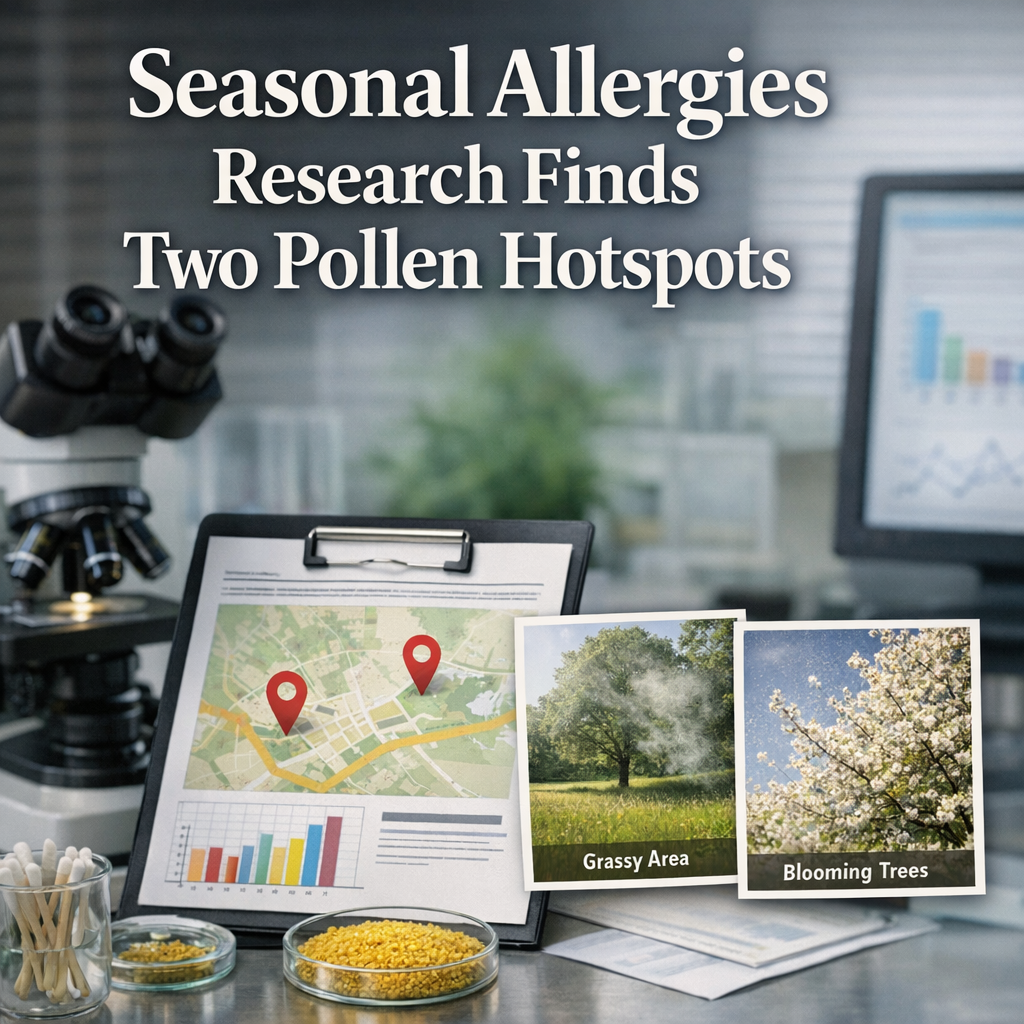
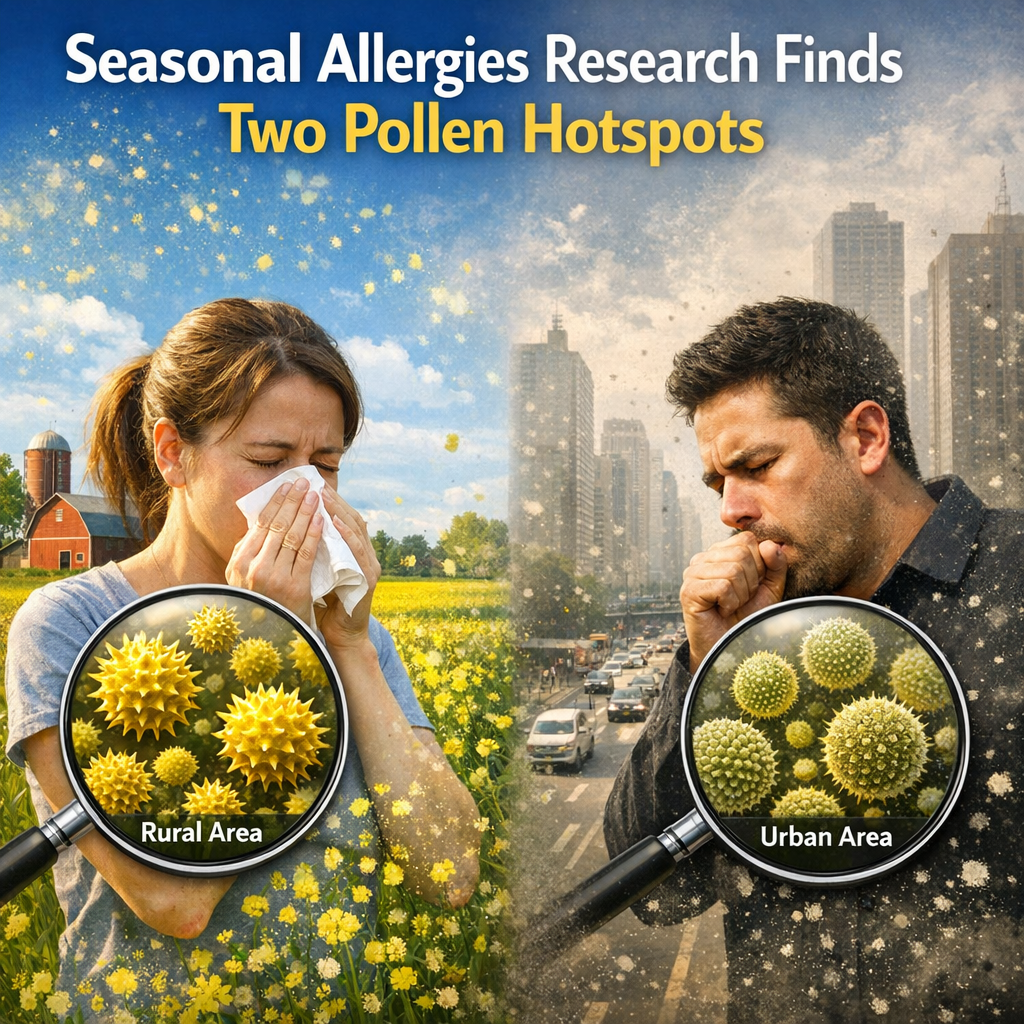
Canada’s allergy season is getting longer and tougher, with new data showing annual pollen loads are rising across the country. Warmer temperatures, changing rainfall patterns and longer growing seasons are helping many trees, grasses and weeds release more pollen over more weeks of the year. For millions of people, that means more sneezing, itchy eyes, congestion and asthma flare-ups, often starting earlier in spring and lasting deeper into fall. Health experts say the shift is part of a broader climate pattern that is already changing day-to-day life in noticeable ways.
For Canadians, the impact is both personal and practical. Families may find children missing school, workers losing productivity and older adults facing more breathing-related complications during high-pollen stretches. Clinics, pharmacies and hospitals could also feel added pressure as more people seek relief for allergy symptoms that can interfere with sleep, concentration and overall quality of life. In cities and suburbs where planting choices, air pollution and dense populations combine, seasonal allergies may become a more regular public health concern rather than just a seasonal annoyance.
In the months ahead, Canadians should watch for earlier pollen forecasts, stronger seasonal advisories and more discussion about how climate change is affecting respiratory health. People with asthma or severe allergies may need to review treatment plans sooner in the year and keep a closer eye on daily pollen and air-quality reports. Researchers and public health agencies are also likely to keep tracking which regions are seeing the fastest increases and which plant species are contributing most.
Seasonal allergies happen when the immune system reacts to tiny airborne particles released by plants during reproduction. In Canada, tree pollen often peaks in spring, grass pollen becomes more common in late spring and summer, and weed pollen, especially ragweed, can be a major problem in late summer and fall. The severity of symptoms can depend on weather, wind, local vegetation and even wildfire smoke or urban pollution, which may irritate airways and make allergic reactions feel worse. As the climate warms and frost-free periods lengthen in many regions, the conditions that shape pollen seasons are changing too, helping explain why allergy sufferers are noticing a difference.
The trend matters because seasonal allergies are extremely common and often underestimated. Many people treat them as a minor inconvenience, but repeated exposure to high pollen levels can disrupt sleep, worsen sinus problems and trigger serious breathing issues in those with asthma or other respiratory conditions. Children may struggle to focus in class when symptoms are not controlled, and adults can find it harder to work, drive or exercise outdoors when pollen counts spike. When these effects are multiplied across millions of Canadians, the result is a larger burden on households, schools, workplaces and the health-care system.
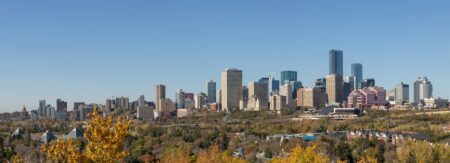
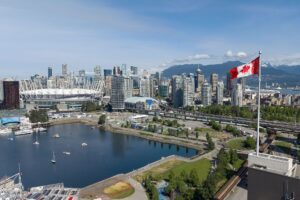
Canadian geography also plays a role in how this story unfolds. Allergy seasons differ from Victoria to Vancouver, from the Prairies to Southern Ontario, and from Quebec to Atlantic Canada because local climates and plant species vary so much. But the broader pattern of milder winters and earlier springs can give pollen-producing plants more time to grow and release allergens. In some regions, heavy rain can temporarily suppress pollen in the air, while warm, dry and windy conditions can spread it widely and quickly. That means local forecasts will matter more than ever, especially during peak periods.
Another reason this issue is gaining attention is the growing link between climate change and health. Scientists have been warning for years that warming temperatures affect not just heat waves and wildfires, but also less obvious exposures such as allergens. Higher carbon dioxide levels may also encourage some plants to produce more pollen, and invasive species can expand into new areas as conditions change. For Canadians, this turns allergy season into part of a bigger conversation about climate resilience, urban planning and preventative health care.
There are also economic and social costs that come with more intense allergy seasons. People may spend more on medications, air filters and doctor visits, while employers may see increased absenteeism and reduced on-the-job focus. Outdoor events, sports practices and even simple activities like gardening or walking to school can become harder during high-pollen periods. For communities already dealing with wildfire smoke, poor air quality or strained health services, rising pollen loads can add another layer of stress.
What comes next will likely involve a mix of personal preparation and wider public response. Canadians may increasingly rely on pollen tracking apps, better home ventilation strategies and earlier use of prescription or over-the-counter treatments. Doctors may encourage patients to start preventive medications before symptoms peak rather than waiting until allergy season is fully underway. Municipalities, schools and health agencies may also need to think more carefully about landscape choices, public alerts and how to protect vulnerable people during periods of high pollen and poor air quality.
The bigger picture is that allergy season in Canada is no longer as predictable as it once seemed. Longer and heavier pollen seasons are becoming another real-world sign of environmental change, showing up in pharmacies, classrooms, workplaces and emergency rooms. While not every year or every region will see the same pattern, the overall direction is clear enough to concern researchers and health professionals. For Canadians who have noticed their seasonal allergies getting worse, the science increasingly suggests that it is not just in their heads.
Follow Canada News Media
Get the day's top Canadian stories and our two daily 60-second news videos wherever you scroll.
X Threads Facebook Instagram LinkedIn TikTok YouTube Pinterest Reddit Substack Flipboard Newsletter RSS