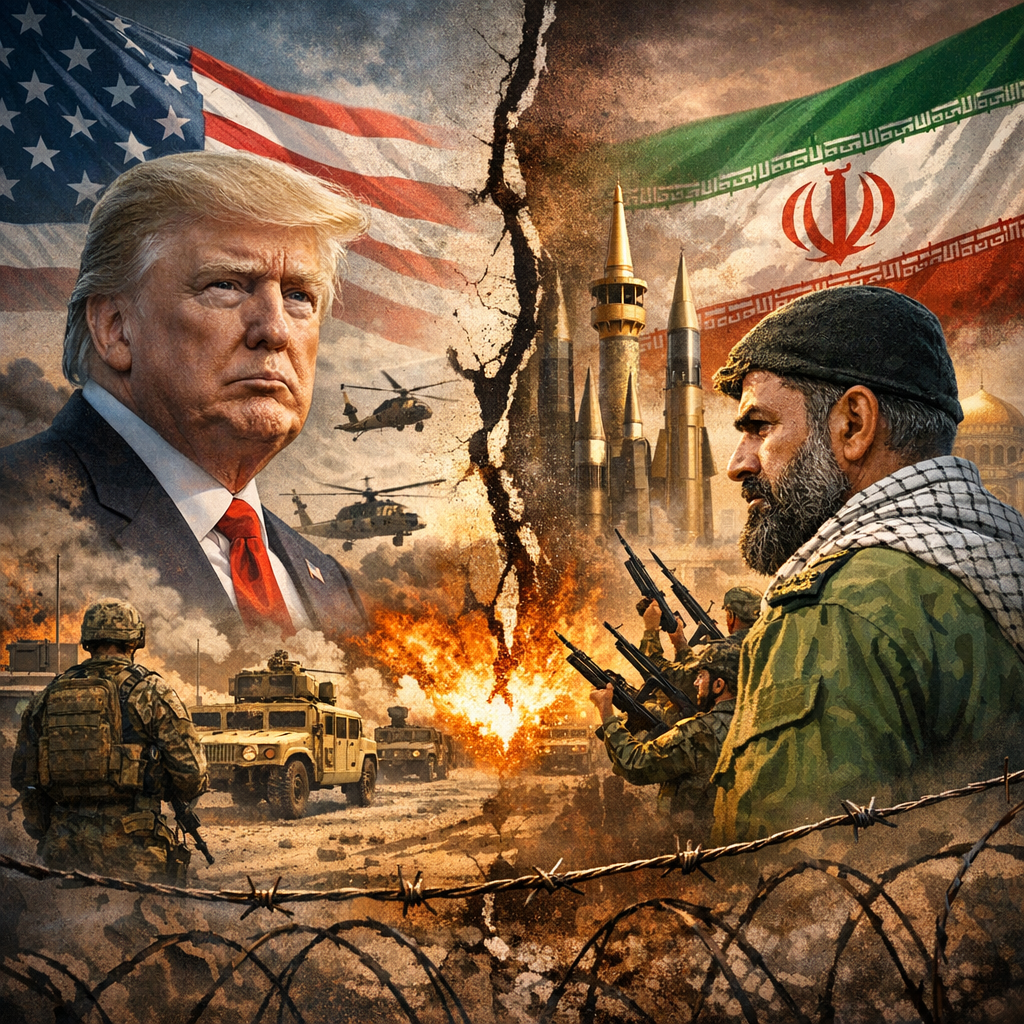



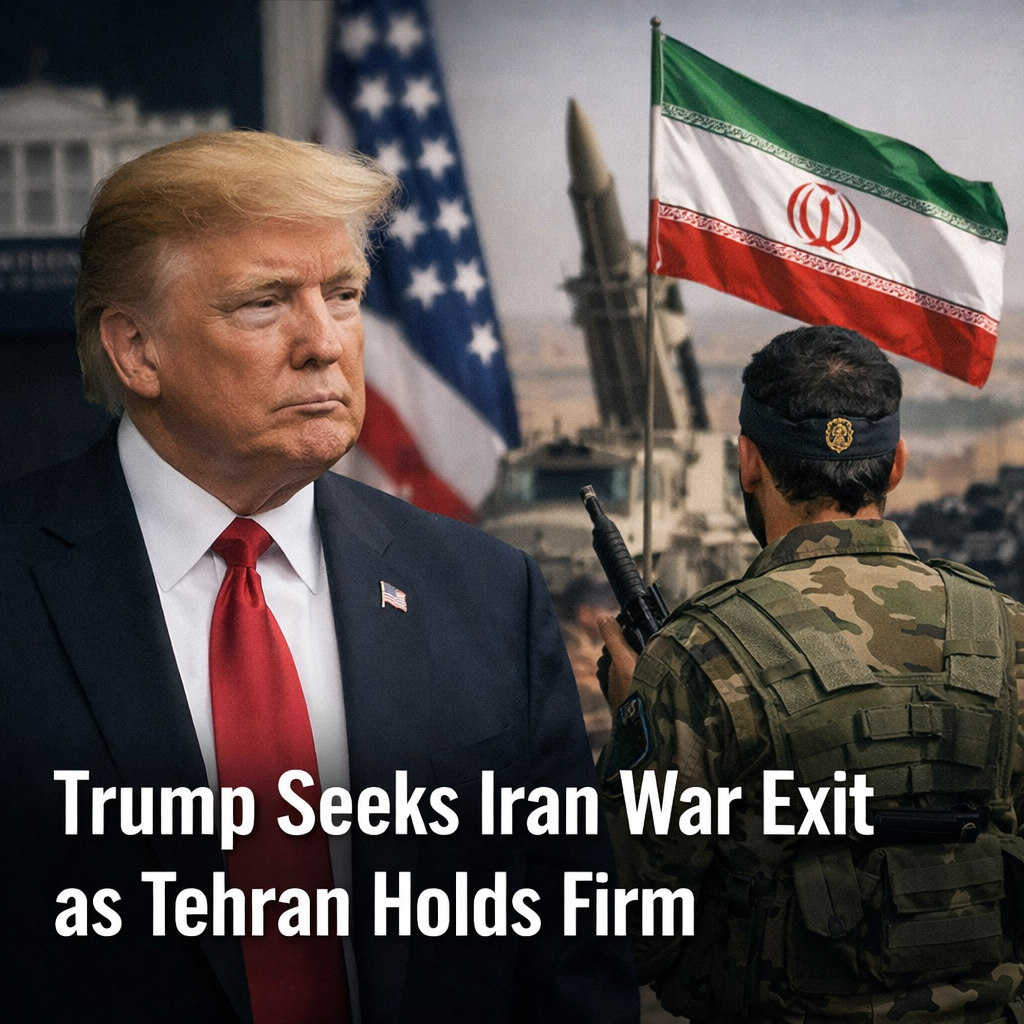
Tensions between the United States and Iran are again raising concerns about a longer, more expensive confrontation that could stretch well beyond the Middle East. Analysts say decision-makers in Tehran may believe a drawn-out standoff works in their favour, especially if it drives up pressure on Washington and unsettles world energy markets. Rather than a quick military or diplomatic resolution, the more likely scenario may be a period of repeated threats, limited retaliation and growing economic fallout. That matters far beyond the region because disruptions tied to oil shipping, investor confidence and security risks can ripple through the global economy quickly.
For Canadians, the biggest immediate concern is usually energy prices and the cost of living. If conflict in or around the Persian Gulf affects oil supply or shipping routes, that can push up crude prices and, in turn, raise prices at the gas pump, increase transportation costs and put fresh pressure on inflation. Canadian businesses that rely on imported goods or stable shipping markets could also feel the effects if insurance, freight and market volatility worsen. Ottawa may also face renewed pressure to respond diplomatically alongside allies, while monitoring any risks to Canadian citizens, troops or officials in the region.
In the coming days and weeks, attention will likely focus on whether the crisis remains contained or spreads through proxy attacks, shipping disruptions or direct retaliation. Markets will be watching oil prices closely, while governments will look for signals from Washington, Tehran and regional players about whether they are moving toward deterrence or escalation. Canadians should also watch for any federal travel advisories, military updates or statements from Global Affairs Canada that suggest broader consequences for trade, security or consular support.
To understand why this matters, it helps to remember that the U.S.-Iran relationship has been marked by decades of hostility, sanctions, regional rivalry and periodic military flashpoints. Iran has often relied on patience, indirect pressure and regional alliances rather than conventional head-to-head war with the United States. That approach can make crises harder to resolve because the conflict may unfold through cyber activity, proxy groups, attacks on infrastructure or threats to strategic waterways rather than one decisive battlefield moment. The Strait of Hormuz, a narrow shipping route used for a significant share of the world’s oil trade, is especially important, which is why even the threat of disruption there can send shock waves through financial and energy markets.
The latest concern among foreign policy observers is not simply whether fighting breaks out, but how long a confrontation could last and how costly that delay could become. Some analysts believe leaders in Tehran may calculate that endurance is one of their strongest advantages. If that view holds, Iran may try to avoid a full-scale war while still applying enough pressure to raise the political and economic price for the United States and its partners. In that kind of contest, time itself becomes a strategic tool.
That calculation has global implications because prolonged instability can affect everything from shipping insurance to commodity prices and investor behaviour. Even when no major supply line is fully shut down, uncertainty alone can move markets. Traders often react quickly to the possibility of disruption in energy-producing regions, and those price swings can show up in Canada in the form of higher fuel costs, pricier flights and more expensive deliveries. For households already managing elevated grocery bills, mortgage costs and other expenses, another inflationary shock would be unwelcome.
Canada’s economy is somewhat insulated compared with countries that depend more heavily on imported oil, but it is not disconnected from global pricing. Oil is sold in an international market, and what happens overseas can influence Canadian fuel prices even in provinces with domestic production. A major escalation could also affect the Canadian dollar, market confidence and business planning, particularly for sectors tied to transportation, manufacturing and international trade. Pension funds and investors can feel the impact too when geopolitical risk sends markets into a more defensive mood.
There are also foreign policy and security considerations for Ottawa. Canada has long balanced support for allies with efforts to reduce instability through diplomacy, sanctions and multilateral engagement. If tensions deepen, the federal government may face difficult choices about public messaging, military readiness, sanctions enforcement and consular planning. Any Canadians living, working or travelling in the region could become part of that equation, especially if airspace closures, embassy warnings or evacuation planning become necessary.
Another important part of the picture is that conflicts involving Iran do not always follow a simple pattern of one country directly attacking another. Regional dynamics can draw in armed groups, neighbouring states and international naval forces, increasing the risk of miscalculation. A single strike, maritime incident or attack on critical infrastructure can change the tone of the crisis in hours. That is why investors, diplomats and defence planners often pay as much attention to indirect signals and proxy activity as they do to official speeches.
For Canadian readers, this story is also a reminder that international crises can affect daily life here at home even when they seem far away. A flare-up in the Middle East can influence how much it costs to fill up a car in Mississauga, ship goods to Vancouver, or book a family trip from Montreal. It can also shape federal political debate, especially if opposition parties begin pressing the government on alliance commitments, emergency preparedness or inflation risks. In a globally connected economy, distance does not prevent consequences.
What happens next will depend on whether both sides believe restraint serves their interests better than escalation. If Tehran continues to think a prolonged standoff creates leverage, and if Washington responds with pressure rather than a clear diplomatic off-ramp, the world could be entering another extended period of uncertainty. For Canadians, that means paying attention not only to military headlines but also to fuel prices, inflation trends and government advisories. This is a story about strategy in the Middle East, but it is also a story about economic resilience and how global instability can land on Canadian doorsteps.