
British Columbia Premier David Eby called a snap provincial election for Oct. 24, framing the vote as a referendum on standing up to U.S. President Donald Trump’s tariffs. But buried in the fine print of Tuesday’s announcement is a quieter cost: the election call freezes a rewrite of the province’s Indigenous rights law and delays an independent review into a $306-million error in natural gas royalty collections that Treaty 8 First Nations had been pushing for.
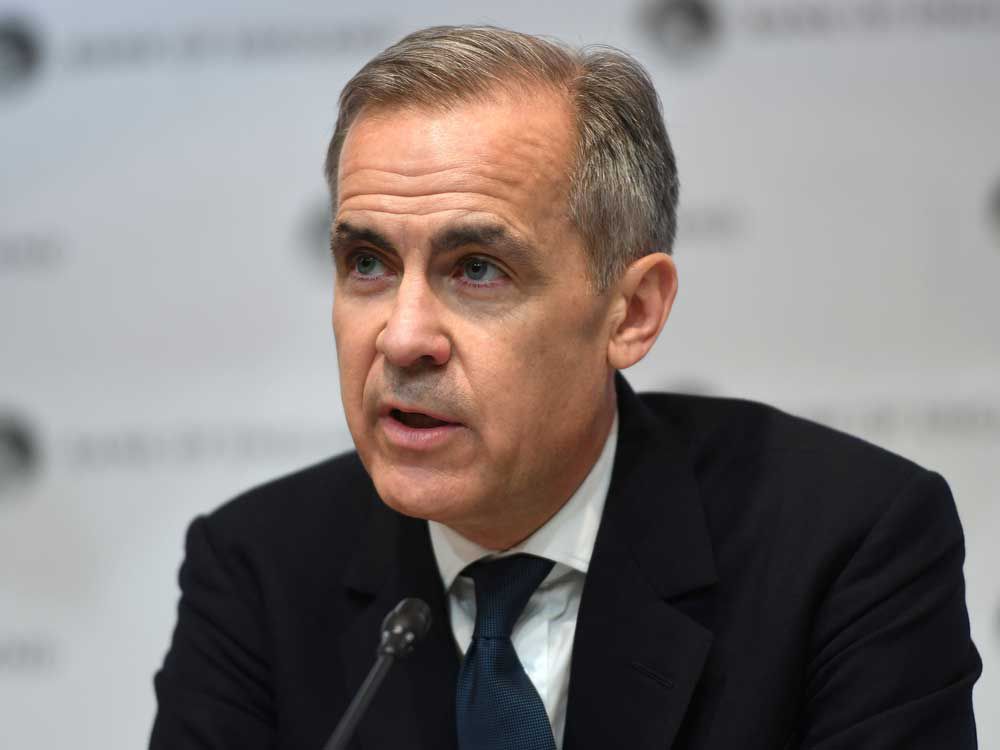
Eby, who leads a majority NDP government, called this “an existential moment” for the province and for Canada, warning that Trump “is threatening our jobs” and accusing the BC Conservatives of wanting to turn the country into “America Junior,” according to Daily Hive and Fraser Valley Today. His campaign will run on three pillars, he said: confronting Trump’s tariffs through measures such as boycotting American alcohol, protecting families through cost controls and health-care spending, and building economic independence by opening new export markets and speeding up housing and infrastructure projects.
BC Conservatives interim leader Lorne Doerkson called the election unnecessary since the NDP already holds a majority, and pointed to a $13.8-billion deficit and 6.5 per cent unemployment as evidence Eby’s record does not merit a fresh mandate, Daily Hive reported. The party also noted 21 B.C. lumber mills have closed since 2023 and accused the premier of political opportunism for scheduling a provincial vote just a week after roughly 3,500 municipal campaigns wrap up on Oct. 17, a compressed calendar that local government representatives warn could dilute voter attention on both races.
What that timeline obscures, according to reporting from independent outlet The Narwhal, is what stalls in Victoria the moment the legislature dissolves. Eby had planned to bring amendments to the Declaration on the Rights of Indigenous Peoples Act, known as DRIPA, to the house this fall, after First Nations leaders rejected his earlier proposed changes. With the legislature no longer sitting, those amendments will not resurface until at least spring 2027, leaving the law’s status unresolved through an entire election cycle. The BC Conservatives, meanwhile, are pushing a separate initiative petition to repeal DRIPA outright, so that fight is unresolved too, not just paused.
The election is also pausing scrutiny of a new natural gas royalty framework due to take effect in January 2027, after a government calculation error was found to have shortchanged the province by $306 million. Treaty 8 First Nations had requested an auditor general review of the new framework, which internal estimates suggest may let companies keep close to 90 per cent of profits rather than the 50 per cent originally promised. That review is now on hold until after the vote. Days before calling the election, the government fast-tracked approval for a tenfold expansion of Tilbury LNG’s export capacity, calling it a “clean-energy opportunity,” a characterization environmental groups dispute. A separate bill advancing a 30-year treaty with the Kitselas Nation, introduced for first reading, will also die on the order paper when the legislature dissolves and must be reintroduced from scratch, likely pushing it back by up to six months.
None of this is on the ballot. Eby’s campaign is built around tariffs, housing costs and health care, and the BC Conservatives are countering with the deficit and jobs. But the Indigenous rights law, the royalty audit and the LNG expansion will still be sitting there, unresolved, when the next legislature is sworn in, whichever party forms it.
Via Daily Hive and The Narwhal. Original coverage: Daily Hive and The Narwhal.