

Montreal homeowners will pay an average of 9.8 per cent more in residential property taxes in 2027, the biggest increase in 20 years, according to the city’s budget summary published ahead of Tuesday’s budget tabling.
The executive summary, posted on the City of Montreal’s website and reported by Radio-Canada and CBC News, breaks the increase down by tax. A new dedicated tax for infrastructure maintenance adds 5.1 per cent to the average bill, the general property tax adds 2.6 per cent and the water tax adds 1.5 per cent. Borough taxes add 0.9 per cent, while the debt tax falls by 0.3 per cent. For a household paying $3,000 a year now, the 9.8 per cent average would mean roughly $294 more, though the real change varies by borough and by property assessment.
Non-residential buildings face a smaller average increase of 6.2 per cent.
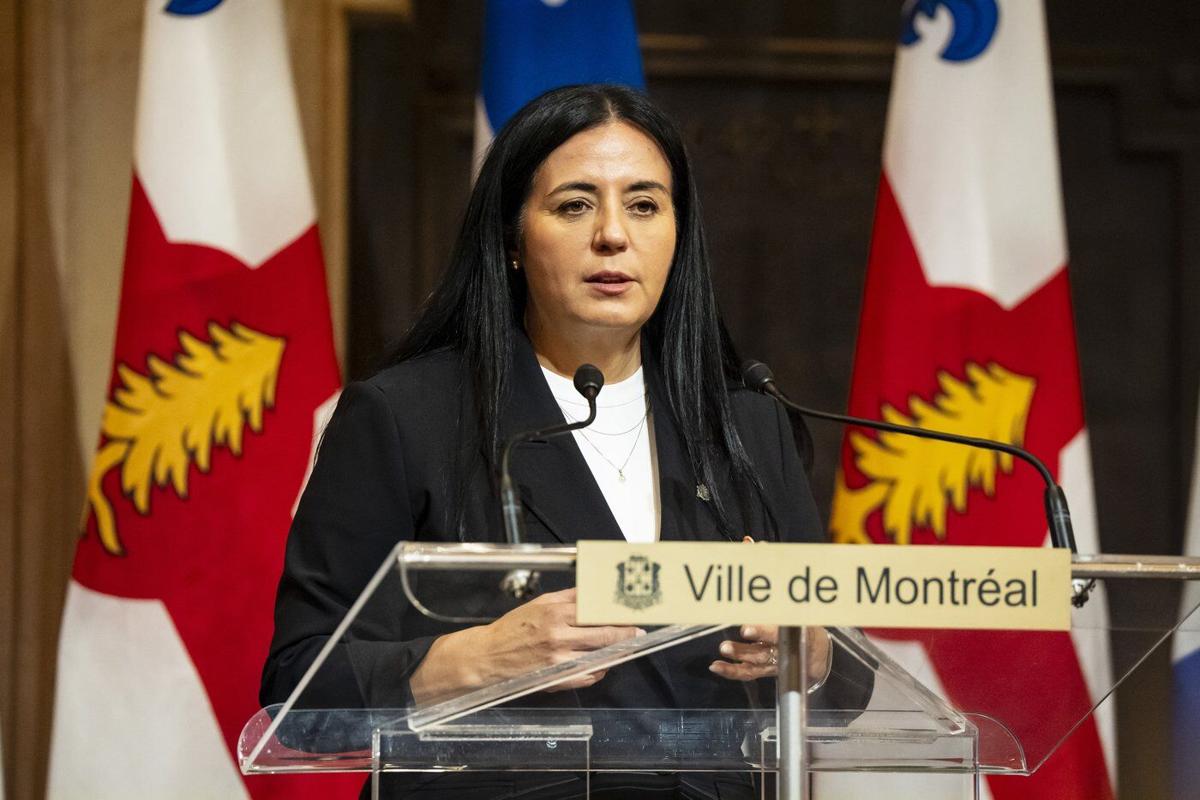
The jump breaks a campaign promise by Mayor Soraya Martinez Ferrada to hold tax increases to the rate of inflation. Inflation in the Greater Montreal area was about 3.4 per cent in October, Journal Métro reported. The administration says its 3 per cent cap on the general property tax rate matches inflation, but the new infrastructure levy sits on top of it. Her first budget, tabled in January 2026, raised residential taxes by an average of 3.8 per cent.
The city says it will use the new revenue to create a reserve for maintaining and renewing infrastructure, with $139 million in cash payments dedicated to it, and to add $70.6 million to its local water reserve. The summary describes a large investment deficit in the city’s assets. An internal city report found only half the money needed to maintain the water network is currently budgeted, CBC reported. Journal Métro reported that 30 per cent of the major roads and 40 per cent of local streets managed by the city are in poor condition.
The overall budget is expected to reach about $8 billion, up from $7.7 billion this year, CBC reported.
Ericka Alneus, the interim leader of the opposition Projet Montréal, called the increase astronomical and said it will affect people’s daily lives. Chantal Gagnon, the borough mayor of Mercier-Hochelaga-Maisonneuve, left the mayor’s Ensemble Montréal party on Nov. 20, saying the tax hike prompted her decision.
Catherine Lussier of the tenants’ rights group FRAPRU told CBC that landlords may pass higher taxes on to tenants through rent increases. Louis Lévesque, chair of public policy at the Quebec Association of Economists, said city funding for infrastructure has been chronically insufficient, leaving few options beyond higher property taxes.
Pressure is also building on the police budget, which CBC reported has grown from about $746 million in 2021 to $860 million this year amid a series of misconduct scandals, including the firing of seven officers. Two boroughs have already planned budget increases of their own, and the city’s property assessments rose an average of 12.2 per cent in the last roll. The city also recently named a new lead for the racism file at the executive committee.
The mayor is scheduled to table the 2027 budget on Tuesday. The figures could change when it is formally presented.
If you find reporting like this useful, consider supporting Canada News Media, an independently owned Canadian newsroom.
Follow Canada News Media
Get the day's top Canadian stories and our two daily 60-second news videos wherever you scroll.
X Threads Facebook Instagram LinkedIn TikTok YouTube Pinterest Reddit Substack Flipboard Newsletter RSS