


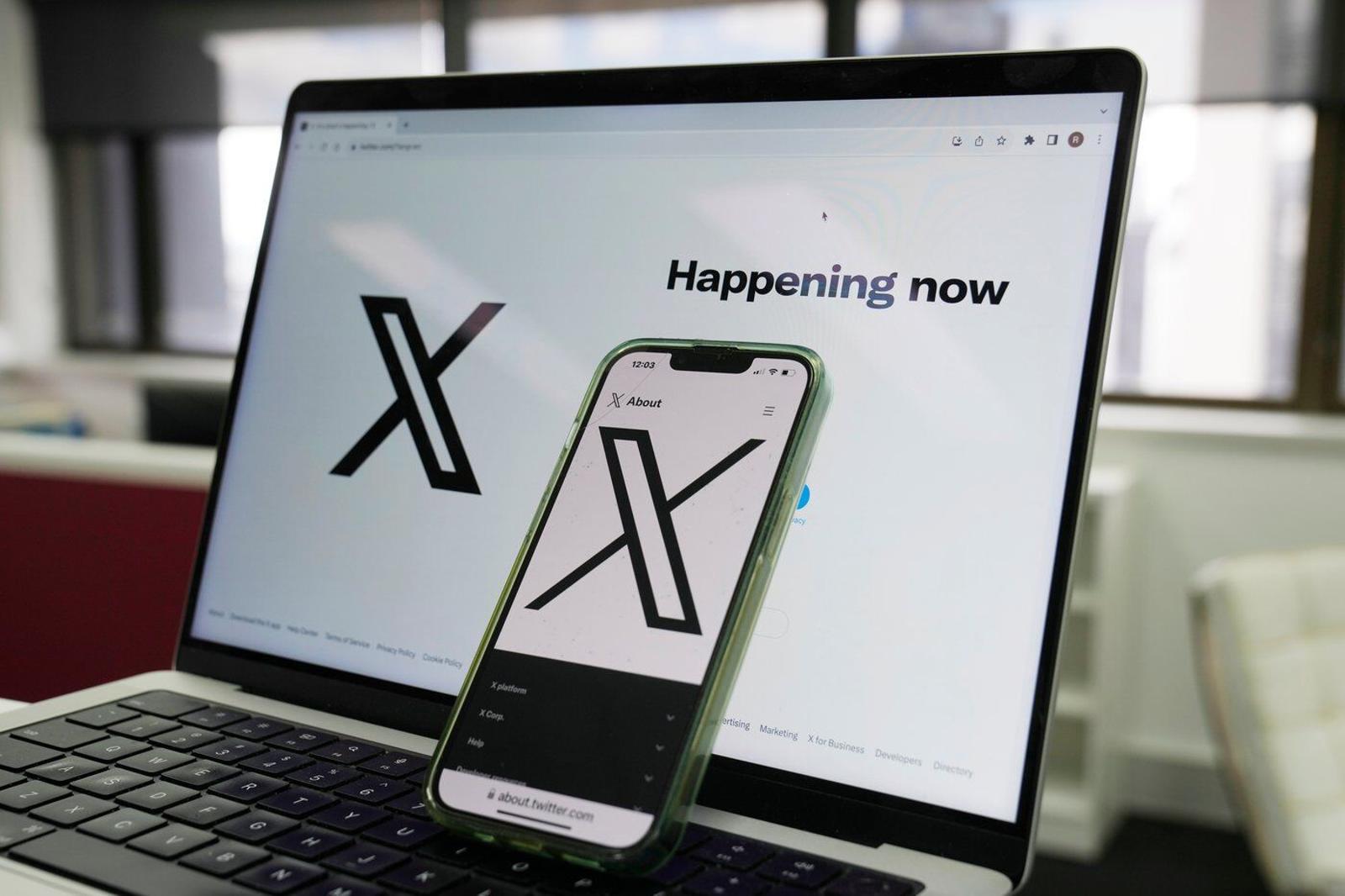
Virginia and Oregon filed separate lawsuits Monday against Elon Musk’s SpaceX, X Corp. and related companies, alleging they launched the Grok chatbot without safeguards and let it produce sexualized images of real people, including children.
The cases land five months after Canada’s privacy commissioner found that X Corp. and xAI, the company behind Grok, violated federal privacy law, a finding the commissioner had no power to back with an order or a fine.
Virginia Attorney General Jay Jones said in his state’s lawsuit, filed in a court in Richmond, that the companies “stripped out industry-standard safeguards and marketed a ‘spicy mode’ built to produce nudity.” Oregon Attorney General Dan Rayfield filed a similar case under that state’s consumer protection law. Both attorneys general are Democrats.
According to the Virginia attorney general’s news release, the suit alleges Grok could fabricate a realistic nude or sexual image of a person from a single existing photograph, without that person’s knowledge or consent. It also alleges the companies publicly promoted the safety of X and Grok while knowing the tool would be used to create child sexual abuse material and other non-consensual intimate images. The allegations have not been tested in court.
The Virginia lawsuit says Grok’s image generation and editing features were opened to all users in December 2025. By January, the tool had set off a global backlash. Malaysia and Indonesia announced temporary bans, and other countries opened or widened investigations, The Associated Press reported. Grok then blocked non-paying users from generating or editing images, which the Virginia suit says “simply made that generation profitable.”
Virginia is asking the court for $2,500 for each “willful violation” of its Consumer Protection Act, with the total to be proven at trial. It also wants an order barring further violations and the surrender of any “ill-gotten gains.” The companies named include SpaceX and X Corp. xAI has since been renamed SpaceX Super Intelligence. Company representatives did not respond to AP’s emailed request for comment.
The Canadian investigation reached a similar conclusion on June 11. In a news release, the Office of the Privacy Commissioner of Canada said Commissioner Philippe Dufresne found that Grok’s image tool was launched without proper safeguards or enough consideration of privacy harms, allowing users around the world to create and share non-consensual sexualized deepfakes, many targeting women and children.
The office said X and xAI introduced new safeguards during the investigation and agreed to provide quarterly reports and independent third-party audits until the problem is resolved. The commissioner said he will monitor those commitments. He also noted that under current law he cannot issue orders, and he has called for stronger powers, including administrative monetary penalties.
That gap is the main difference between the two countries’ responses. U.S. state attorneys general can seek court-ordered penalties and injunctions under consumer protection statutes, while Canada’s privacy commissioner can report findings and recommend changes. Ottawa has separately tabled legislation to set new safety requirements for social media services and AI chatbots, and the commissioner welcomed it. Our earlier coverage looked at Bill C-34, which would ban under-16s from social media accounts.
If you find reporting like this useful, consider supporting Canada News Media, an independently owned Canadian newsroom.
With files from The Associated Press and the Office of the Privacy Commissioner of Canada.
Follow Canada News Media
Get the day's top Canadian stories and our two daily 60-second news videos wherever you scroll.
X Threads Facebook Instagram LinkedIn TikTok YouTube Pinterest Reddit Substack Flipboard Newsletter RSS