
An Atikamekw baby who died alone in a Quebec City hospital in 1954 will be brought home to Manawan on Monday, Oct. 26, and reburied in his community more than 70 years after his family lost track of him.
His niece, Manon Ottawa, announced the return at a news conference in Montreal on Thursday, Oct. 22, after a 12-year search that ended with a court-authorized exhumation and DNA confirmation, The Canadian Press and CBC News reported.
The baby, her father’s younger brother, was six months old when he was flown without his parents from Manawan to La Tuque, Que., for treatment of eczema, and later moved to Quebec City. He died on Oct. 5, 1954, after 43 days in hospital. His parents were told of his death two years later and were never able to hold a funeral or bury him according to their traditions.
Ottawa said she began searching in 2014 to keep a promise to her father, Henri Ottawa, who had asked her before he died to find out what happened. “I wanted to understand what had happened to him. I wanted to know the truth,” she told reporters.
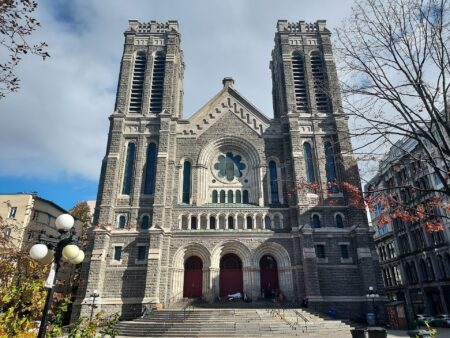
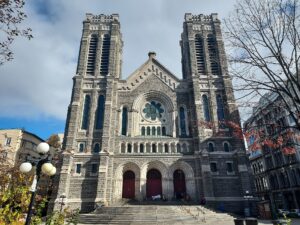
The search led the family to Saint-Charles Cemetery in Quebec City, where cemetery records showed the baby was buried in a plot with four other people. In October 2025, Quebec Superior Court authorized the exhumation so forensic tests could confirm his identity. The family received confirmation on Sept. 30, Canada’s National Day for Truth and Reconciliation.
“Receiving this confirmation precisely on the National Day for Truth and Reconciliation gave it an even deeper meaning in our story,” Ottawa said. She remembered her grandmother looking out at the lake, and said she now understands that she was still waiting for her child.
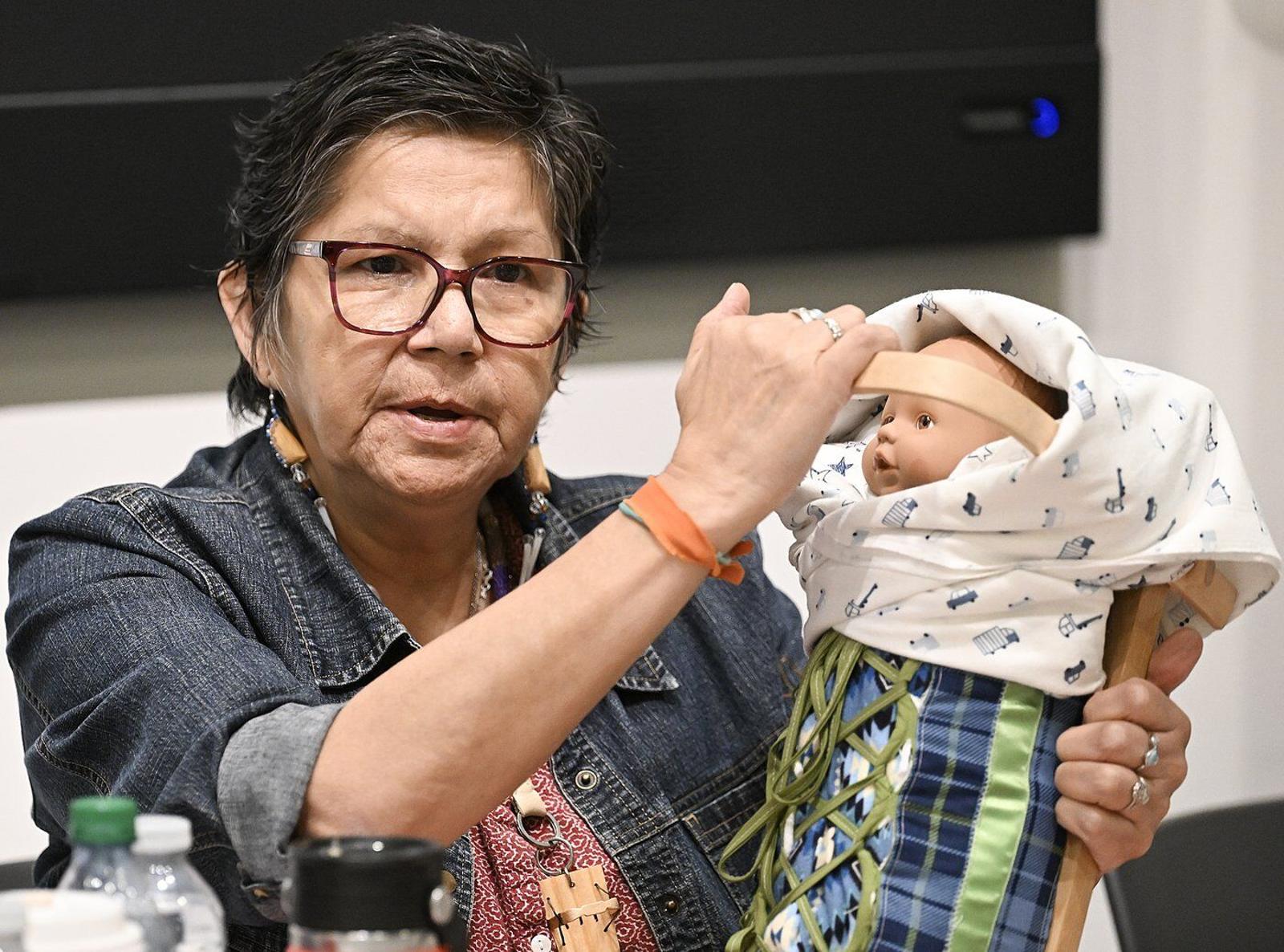
Manawan is an Atikamekw community about 250 kilometres north of Montreal. Family members plan to watch over the body for three days and two nights before a reburial ceremony that will follow the community’s traditions. Ottawa brought a baby carrier and a pair of small moccasins to the news conference, which she said were offered to prepare him for the journey to the land of the ancestors.
The family was helped by Awacak, an organization that supports Indigenous families looking for relatives who disappeared from Quebec health-care facilities. Its lawyer, Olivia Malenfant, said the court’s decision was a first in the province and opens the door for other families. She said the group is helping families trace about 250 Indigenous children. Quebec passed a law in 2021 that lets families get records held by health institutions, government bodies and religious organizations.
“While their search for truth is coming to an end, the journey toward possible reconciliation can now begin,” the family said in a statement.
For more First Nations, Métis and Inuit news, see our Indigenous coverage, including the AFN’s call for child welfare claims and the First Nations Clean Water Act.
If you find reporting like this useful, consider supporting Canada News Media, an independent Canadian newsroom with no corporate parent.
Follow Canada News Media
Get the day's top Canadian stories and our two daily 60-second news videos wherever you scroll.
X Threads Facebook Instagram LinkedIn TikTok YouTube Pinterest Reddit Substack Flipboard Newsletter RSS