
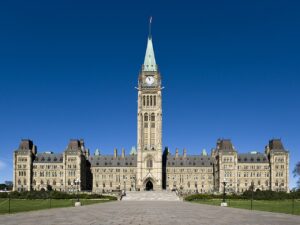
OTTAWA – The House of Commons passed second reading of Bill C-37, the proposed First Nations Clean Water Act, on Oct. 9 and sent it to committee, where First Nations leaders say they will push for stronger protections for the right to clean water.
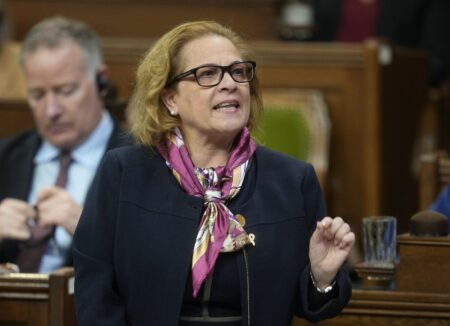
Indigenous Services Minister Mandy Gull-Masty moved the motion, according to the House of Commons Hansard for Oct. 9. The Parliament of Canada’s LEGISinfo page lists the bill as referred to the Standing Committee on Indigenous and Northern Affairs, which had not yet recorded any activity on it.
The bill is titled An Act respecting water, source water, drinking water, wastewater and related infrastructure on First Nation lands. It was tabled on June 16.
Gull-Masty told the House the bill would set enforceable protections for safe drinking water, with minimum standards at least equal to the Canadian drinking water quality guidelines. She said it would recognize First Nations’ inherent right to self-government, including jurisdiction over water and related infrastructure.
The minister said the bill would require Ottawa to co-develop a long-term funding framework with First Nations, create a First Nations-led water commission and provide for source water protection zones developed with partners. She cited $4.6 billion over five years for First Nations water and wastewater work.
“We still have 38 advisories too many,” Gull-Masty said. She acknowledged that passing the bill would not end all advisories because infrastructure ages and climate events occur.
When the bill was tabled, Gull-Masty described it as “substantively similar” to an earlier version, Bill C-61, which died on the order paper when Parliament was prorogued in January 2025, APTN News reported. She said some changes were made so the law can stand the test of time and avoid jurisdictional disputes with provinces. The minister said at the time that “it’s critical that we ensure source water protection is in this legislation.”
During debate, Bloc Quebecois MP Sebastien Lemire asked what had changed between C-61 and C-37 and said the Assembly of First Nations Quebec-Labrador is concerned that the new bill no longer explicitly recognizes access to drinking water as a human right, according to Hansard. Conservative MP Billy Morin asked whether the government would keep its 2015 promise to end boil water advisories.
Assembly of First Nations National Chief Cindy Woodhouse Nepinak said in June that leaving the right to clean water out of the bill was “a troubling shift.” APTN reported that the earlier wording about upholding First Nations rights was replaced with the “progressive realization” of a human right to safe drinking water. Woodhouse Nepinak also said the funding was “about 20 per cent of what we need,” though she called it a good starting point.
The Federation of Sovereign Indigenous Nations said in June that it welcomed the proposed First Nations-led water commission and the bill’s recognition of water quantity, but was concerned about the lack of guaranteed funding. Craig McCallum, the federation’s fourth vice-chief, said: “Water is not a privilege, but rather, it’s a fundamental human right.” Chief Bobby Cameron said First Nations “must be at the table from the outset when legislation like this is developed,” according to MBC Radio.
Nishnawbe Aski Nation Grand Chief Alvin Fiddler said in June his legal team had read the bill and “we know it’s not perfect,” signalling leaders are not ready to walk away from it, APTN reported.
The federal government’s backgrounder says the bill would require decisions under it to be guided by the UN Declaration on the Rights of Indigenous Peoples, including free, prior and informed consent. It also says the legislation would set national principles and minimum standards for water services on First Nation lands.
The bill’s replacement of earlier legislation is tied to a 2021 class-action settlement that required Canada to bring forward new water legislation.
If you find reporting like this useful, consider supporting Canada News Media, an independent Canadian newsroom with no corporate parent.
Follow Canada News Media
Get the day's top Canadian stories and our two daily 60-second news videos wherever you scroll.