


Italy and Spain agreed Oct. 22 to end the border checks they imposed on each other’s travellers after a mass crossing into the Spanish enclave of Ceuta, ending a standoff of nearly three months that strained the Schengen open-border zone.
The two governments said in near-identical statements that the current suspensions of Schengen rules "would not be extended," Euronews reported. More than 70,000 people reportedly crossed from Morocco into Ceuta on July 30 and 31, the event that set off the dispute.
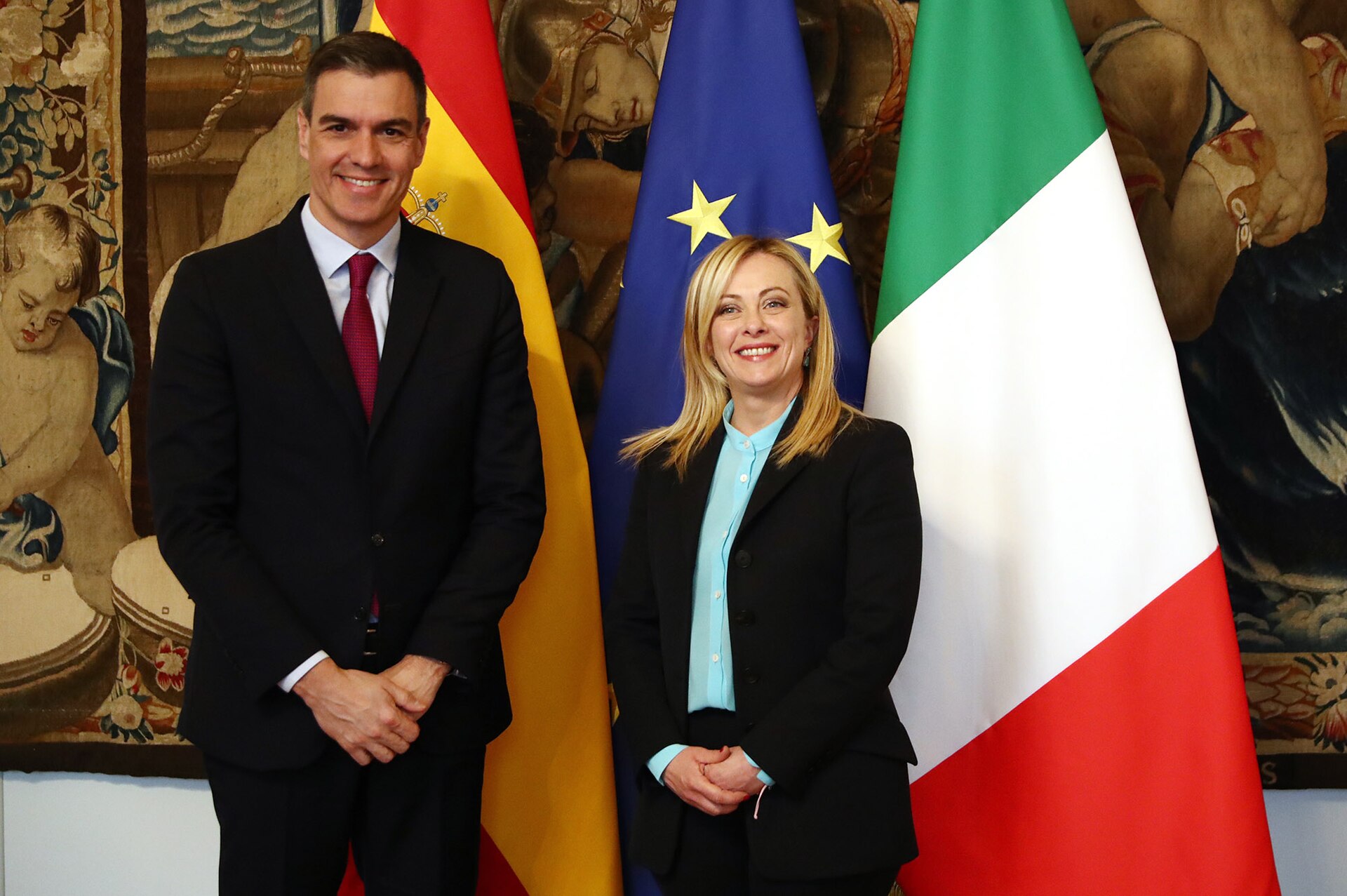
Italy’s Interior Ministry announced the decision after a phone call between Interior Minister Matteo Piantedosi and his Spanish counterpart, Fernando Grande-Marlaska, Al Jazeera reported. The call followed a meeting between Prime Minister Giorgia Meloni and Spanish Prime Minister Pedro Sánchez on the sidelines of a European Council meeting.
Neither government gave an exact date for the checks to stop. Euronews reported that an agreement and alternative cooperation measures will allow the checks to be phased out. Italy said the move will be accompanied by enhanced information-sharing to protect security across the Schengen area.
Italy suspended open-border arrangements with Spain at the start of August, saying it wanted to be sure no migrants who entered Ceuta could travel on to Italian territory. Its Interior Ministry said at the time that the checks, carried out at ports and airports, targeted mainly non-EU nationals and were meant to "strengthen border security and prevent potential terrorist threats," Euronews reported. The two sources differ by a day on the exact start date, July 31 in Al Jazeera’s account and Aug. 1 in Euronews’s.
Spain answered with reciprocal checks on travellers arriving from Italy. Spain’s government called the Italian measures "unjust, contrary to European Union interests, and discriminatory to the population of Spain," Al Jazeera reported. Foreign Minister José Manuel Albares called the Italian move "absurd" and "a disgrace," according to Euronews.
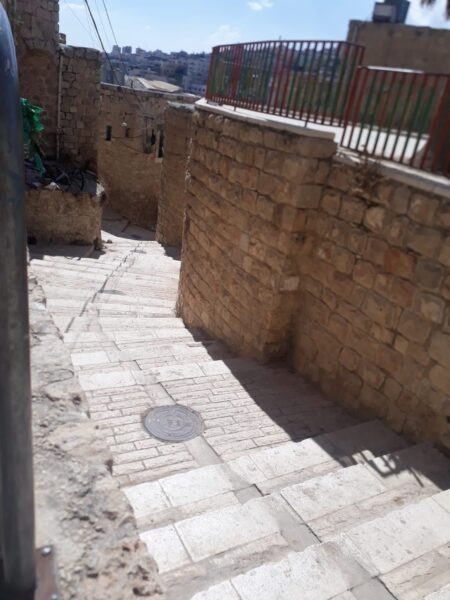
Italy and Spain share no land border, and Ceuta lies outside the Schengen area, so free-movement rules do not apply there. Most of those who crossed into Ceuta returned to Morocco within hours, Al Jazeera reported, but thousands, including unaccompanied minors, stayed for weeks in difficult conditions. The sources do not say where the 70,000 estimate comes from, and Al Jazeera notes an earlier estimate of about 49,000.
The agreement follows a week of talks. Canada News Media reported on Oct. 16 that Italy had extended its checks on Spain by seven days while the two sides negotiated, and the dispute surfaced again at the EU summit, where Sánchez defended Spain’s 600,000-migrant plan.
The question remains politically live in Spain. Sánchez faces voters on Nov. 29 after losing his housing measures, and the far-right Vox and the centre-right Popular Party have criticized his government as soft on immigration, Al Jazeera reported.
For Canadians, the practical effect is limited but real. Canadian citizens are non-EU nationals, the group Italy said its checks targeted, so visitors flying or sailing between the two countries could face extra screening while the measures were in force. Travellers should still carry a valid passport on any Schengen trip and check the federal government’s travel advice for Italy and Spain before leaving.
What happens next depends on the two interior ministries, which have not published the information-sharing arrangements. The European Commission, which oversees Schengen rules, has not been quoted in the reports reviewed.
If you find reporting like this useful, consider supporting Canada News Media, an independent Canadian newsroom with no corporate parent.
Via Al Jazeera and Euronews.
Follow Canada News Media
Get the day's top Canadian stories and our two daily 60-second news videos wherever you scroll.
X Threads Facebook Instagram LinkedIn TikTok YouTube Pinterest Reddit Substack Flipboard Newsletter RSS