


Opioid-related emergency room visits in London and Middlesex County have already passed last year’s total, with more than 650 visits from Jan. 1 to Aug. 30, 2026, compared with 488 in all of 2025, the Middlesex-London Health Unit says.
The preliminary figures, from Ministry of Health data, point to a “concerning reversal” after four straight years of decline, according to an opioid update in the agenda package for the Oct. 15 Middlesex-London Board of Health meeting. The report says the figures cover only part of the year but highlight how volatile opioid-related harms are.
Before this year, the region’s rate of opioid-related emergency visits had dropped for a fourth year in a row, falling three per cent to 80.2 per 100,000 people in 2025, the report says. Local opioid poisoning deaths also fell for a fourth straight year, to 10.2 per 100,000 in 2025, but more than 60 people still died.
“When we talked about last year, the success of the declines, we recognized that the success and progress was precarious,” Dr. Alex Summers, the region’s medical officer of health, told CBC London.
Summers said the illicit drug supply remains a major driver. “There’s no standardization in how these products are developed, so there can be contamination with other tranquillizer-like products in addition to the opioids themselves that can lead to unpredictable overdoses,” he said.
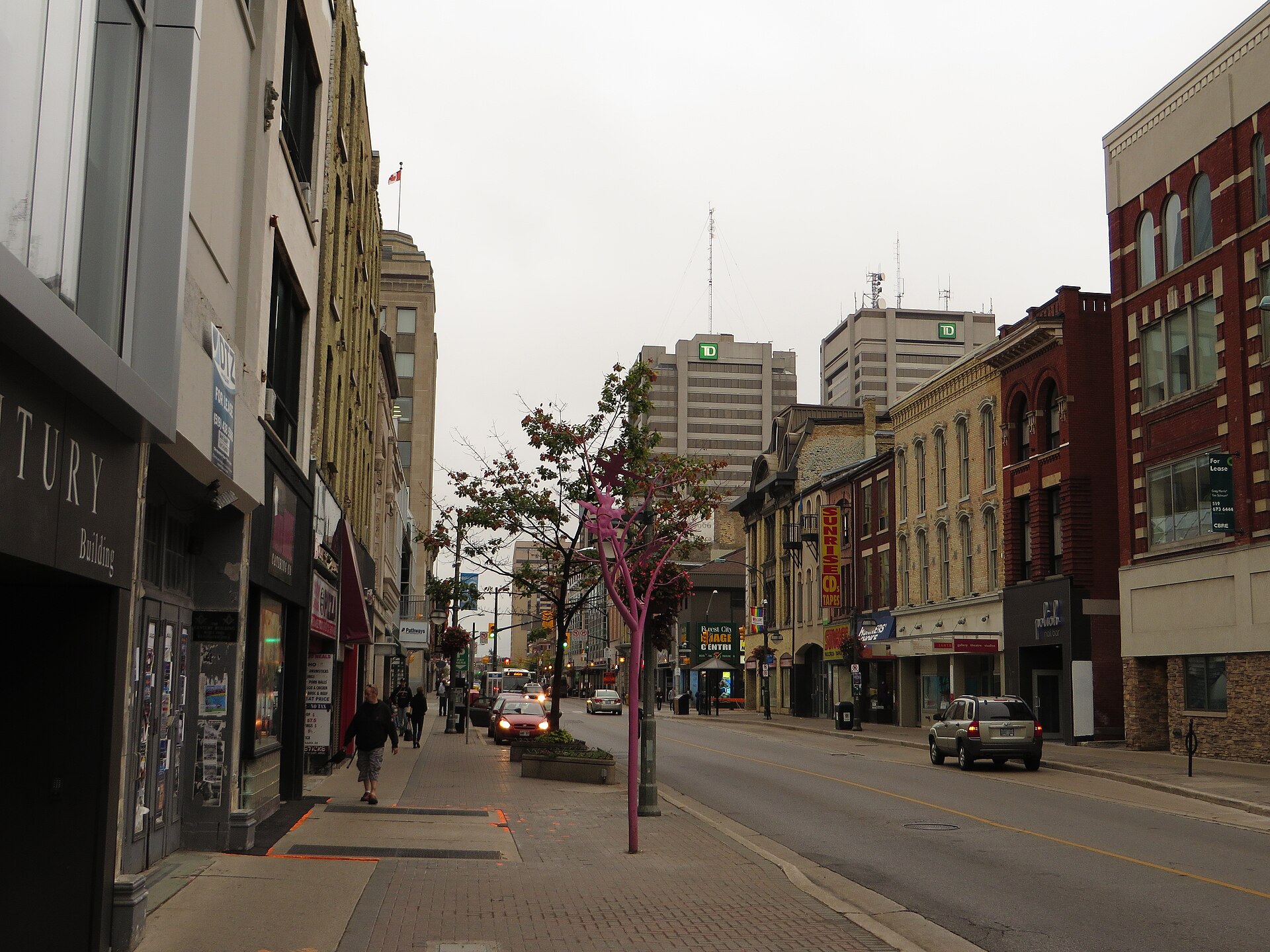
The health unit report describes a cluster of overdoses across London from March 11 to 13, first concentrated downtown, with symptoms consistent with a tranquillizer combined with a narcotic. Community partners raised concern about medetomidine, a powerful veterinary sedative.
The increase follows the June 13 closure of CarePoint, the city’s supervised consumption and treatment site on York Street, after the province withdrew its funding. CarePoint recorded 16,850 visits and treated 269 overdoses in 2025, CBC London reported. Regional HIV/AIDS Connection, which ran the site, still offers a needle and syringe program, testing and case management there.
“In its absence, I think we do need to be concerned about what fills it in,” Summers said, adding that more monitoring is needed to judge the effect of the closure.
The health unit distributed more than 13,000 naloxone kits in 2025 and about 8,700 in the first six months of 2026, and expects this year’s total to be higher, the report says. Naloxone can temporarily reverse an opioid overdose. Our guide explains where to get a free naloxone kit in every province.
Anyone who sees signs of an overdose, such as slow or no breathing, blue lips or being unresponsive, should call 911. More London news is on our London, Ont., page.
If you find reporting like this useful, consider supporting Canada News Media, an independent Canadian newsroom with no corporate parent.
Follow Canada News Media
Get the day's top Canadian stories and our two daily 60-second news videos wherever you scroll.
X Threads Facebook Instagram LinkedIn TikTok YouTube Pinterest Reddit Substack Flipboard Newsletter RSS