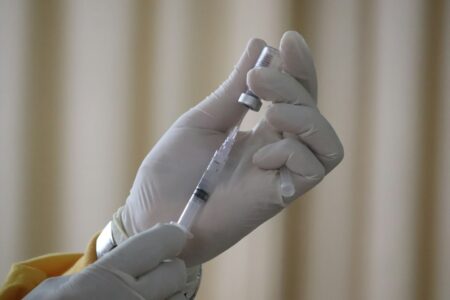



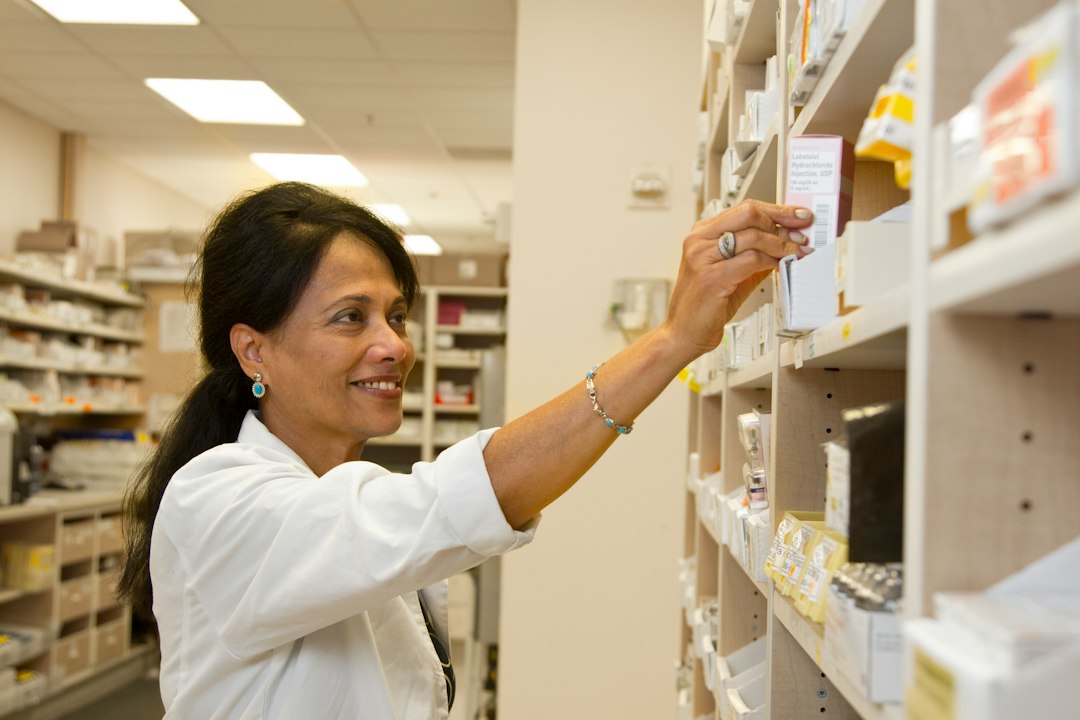
Naloxone is a fast-acting medication that can temporarily reverse an opioid overdose, and in most of Canada you can get a kit without a prescription. Where to pick one up, and what you need to bring, depends on where you live. Alberta also changed its rules for pharmacy pickups on Oct. 1, 2026.
Health Canada says naloxone works by blocking opioids from the receptors in the brain, and it can start working within two minutes. Its effects last only about 30 to 120 minutes, though, and many opioids stay in the body longer. That is why the guidance is to call 911 (or your local emergency number) even after giving naloxone, stay with the person, and be ready to give another dose if needed.
Health Canada also notes that the Good Samaritan Drug Overdose Act protects people who call for help at an overdose from simple drug possession charges. Kits come as a nasal spray, which is sprayed into the nose, or as an injectable. Many provinces and territories offer them free through public health or harm reduction programs, and most pharmacies carry them.
What changed in Alberta on Oct. 1
According to an Alberta government fact sheet on the provincial naloxone program, people who get a free kit from a pharmacy are now asked to provide a personal health number. Pharmacies hand out one kit at a time, up to a maximum of five per day. The fact sheet says no personal health number is needed when you get a kit from a community-based organization, because those groups cannot collect that information. It adds that if you need a kit right away and cannot provide the number, you should speak with your pharmacist. The program says kits are available at more than 2,000 pharmacies and community organizations.
Where to find a kit, province by province
Health Canada lists an official page for most provinces and territories. Check the page for your jurisdiction for current locations, eligibility and kit types, since programs change.
- British Columbia: The Toward the Heart site locator shows where kits are available.
- Alberta: Alberta Health Services lists the provincial program. See also the provincial fact sheet for the new pharmacy rules.
- Saskatchewan: The province lists naloxone under its opioids resources.
- Manitoba: Health Canada points to the Street Connections page for kit information.
- Ontario: The province has a where to get a free naloxone kit page.
- Quebec: The health ministry keeps a naloxone resource directory.
- Nova Scotia: See the province’s opioid information page.
- Prince Edward Island: The province covers it under preventing opioid-related overdoses.
- Newfoundland and Labrador: The health department has a naloxone kits page.
- Northwest Territories: See the NWT naloxone kit distribution page.
- Yukon: Health Canada links to the territory’s alcohol and drug services resource page.
- New Brunswick and Nunavut: Health Canada does not list a direct program page for either. Ask at a local pharmacy, health centre or harm reduction service.
A few practical points
Kits include instructions, and many programs offer short training when you pick one up. Pharmacists can usually walk you through it. Health Canada’s guidance comes down to four steps: recognize the signs, call for help, stay on the scene and give naloxone if you have it, and know the legal protections apply. Health Canada has a separate page on the signs of an overdose and a video showing how to use the nasal spray.
Keep a kit somewhere you can reach it. If you or someone close to you uses opioids, or you simply want to be prepared, getting a kit costs little or nothing in many parts of the country.
This article is based on official guidance from Health Canada and the Government of Alberta and is provided for general public information. It’s not a substitute for medical advice, if you have questions about how this applies to you, talk to your doctor or pharmacist.
If you find reporting like this useful, consider supporting Canada News Media, an independent Canadian newsroom with no corporate parent.
Sources: Health Canada: Naloxone; Government of Alberta: Provincial Naloxone Program fact sheet.
Follow Canada News Media
Get the day's top Canadian stories and our two daily 60-second news videos wherever you scroll.
X Threads Facebook Instagram LinkedIn TikTok YouTube Pinterest Reddit Substack Flipboard Newsletter RSS