


Vancouver Coastal Health is urging anyone who touched, picked up or was bitten or scratched by a skunk in the West End and Stanley Park area between Sept. 22 and Oct. 17 to contact the health authority immediately, after a skunk captured downtown tested positive for rabies and videos of people handling skunks surfaced online.
In a public health notification, Vancouver Coastal Health said a small number of people were bitten by the rabid skunk. They have been assessed and given rabies vaccine and immunoglobulin as a precaution, the health authority said.
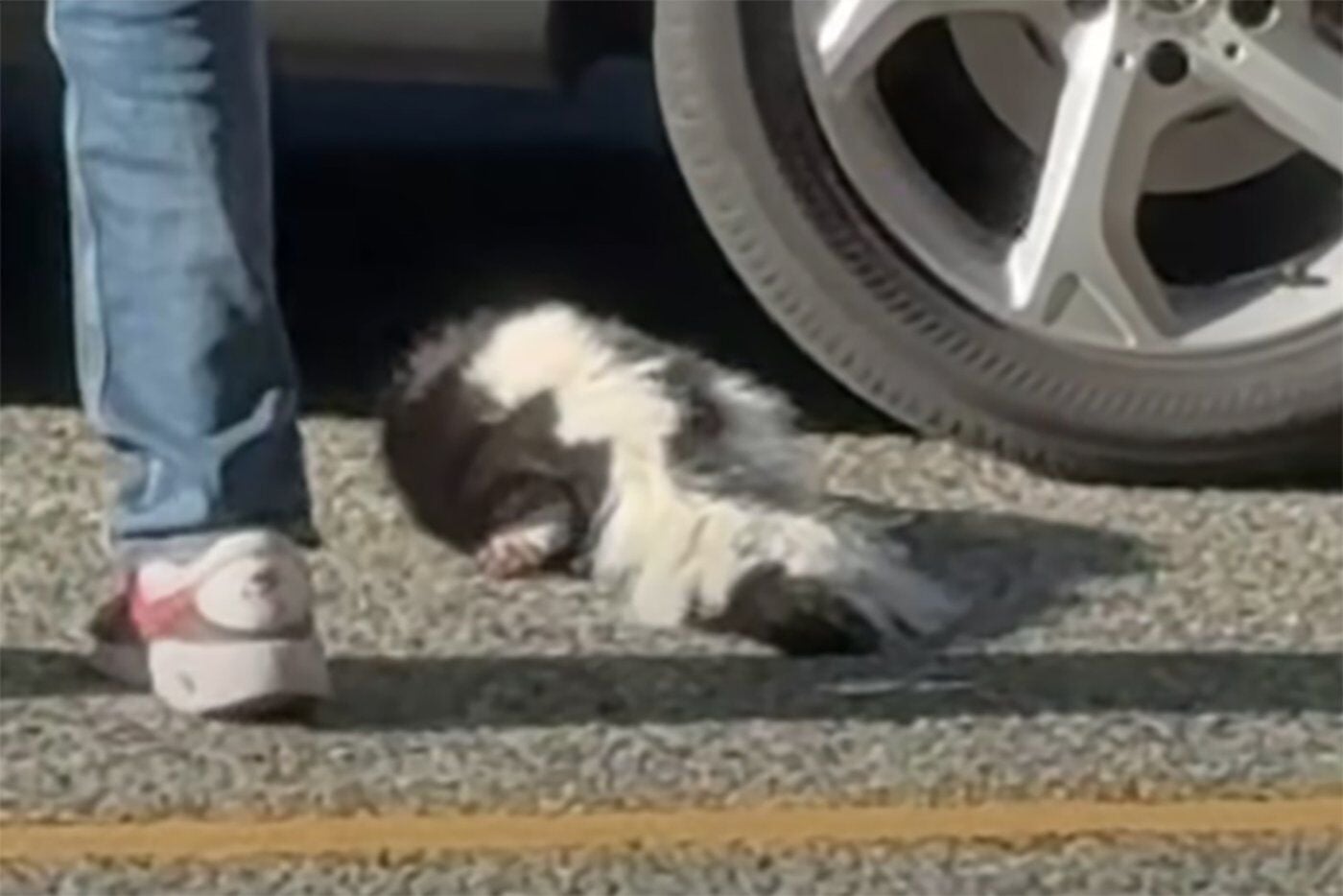
A video posted on Facebook on Oct. 10 shows a skunk struggling to cross a Vancouver street and drawing a crowd, before a man picks the animal up in a sweater and moves it to the sidewalk, The Canadian Press reported Thursday. It is not clear whether that skunk is the same animal that tested positive.
The health authority said it is aware of videos showing other exposures, and that anyone in the downtown area who had contact with a skunk should get a medical assessment right away. People who live outside the Vancouver Coastal Health region should contact their own local health authority.
The rabies virus lives in the saliva of infected animals and spreads mainly through a bite or, less often, a scratch, Vancouver Coastal Health said. It is not spread through a skunk’s spray, urine or feces.
Rabies attacks the brain and nervous system and infections are fatal, but they can be prevented if vaccine or immunoglobulin is given promptly after an exposure, the health authority said. Human infections are extremely rare in Canada. Doctors in Ontario this year detailed a child’s 2024 rabies death after contact with a bat to warn families about the risk.
Bats are the only known reservoir of rabies in B.C., but the virus occasionally spills over into other species, including skunks, in specific areas, according to the notification. CTV News also reported the bites after the health authority’s announcement on Wednesday.
Vancouver Coastal Health advises anyone bitten or scratched by a bat, skunk or other wild animal to wash the wound with soap and warm water for at least 15 minutes and seek medical care immediately. Residents should not approach, feed, capture or try to help a sick or injured wild animal, and should report wildlife acting abnormally to the BC RAPP line at 1-877-952-7277.
Pet owners whose dog, cat or other animal was bitten, scratched or had direct contact with a skunk downtown during the same period should call their veterinarian and say the pet may have been exposed. Pets with no direct contact with the skunk are not at risk, the health authority said.
Rabies is also spreading in Quebec, where officials have reported a third rabid cat as raccoon rabies cases climb.
Sources: Vancouver Coastal Health; The Canadian Press; CTV News.
If you find reporting like this useful, consider supporting Canada News Media, an independent Canadian newsroom with no corporate parent.
Follow Canada News Media
Get the day's top Canadian stories and our two daily 60-second news videos wherever you scroll.
X Threads Facebook Instagram LinkedIn TikTok YouTube Pinterest Reddit Substack Flipboard Newsletter RSS