

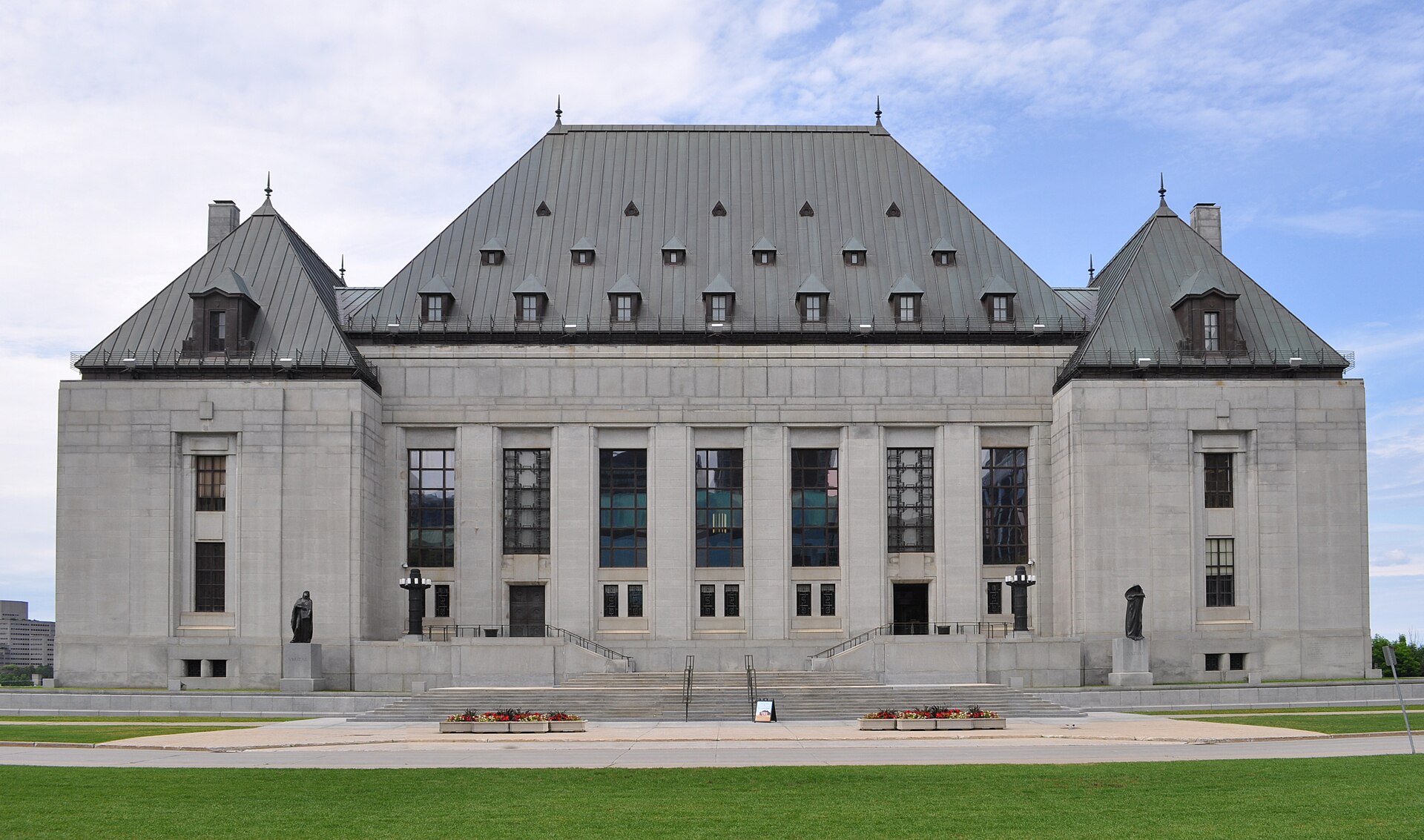
The Supreme Court of Canada upheld an Ontario Court of Appeal decision on Friday that dismissed negligence claims against an obstetrician and a hospital, and left in place a finding of liability against an anesthesiologist, in a case over a woman’s severe brain injury during an emergency caesarean section.
The ruling in Hemmings v. Padmore, 2026 SCC 34, was released Oct. 23 after a hearing on Feb. 10. It came with two sets of reasons dissenting in part.
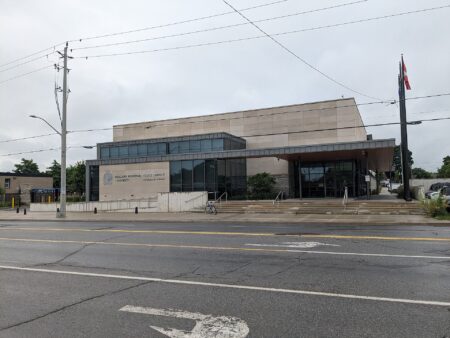
According to the Court’s summary, the woman suffered a cardiac arrest after anesthetic complications during the emergency delivery, leaving her with severe and permanent brain damage. She and members of her family sued several of her treating practitioners and the hospital, now called Scarborough Health Network. The parties agreed on the amount of damages, so the trial dealt only with liability.
The trial judge found the hospital and two practitioners liable. The Court of Appeal set aside the judgment against the hospital and one obstetrician, ruling that the trial judge had erred in his analysis of factual causation and remoteness, and it upheld the finding against the anesthesiologist. Both the family and the anesthesiologist appealed to the Supreme Court.
The Court’s reasons set out how the two parts of the causation analysis should work. Factual causation asks whether the injury would have happened without the negligent conduct, and the reasons describe it as a finding of fact that appeal courts review only for palpable and overriding error. Remoteness asks whether the type of injury was reasonably foreseeable at the time of the breach, and it is treated as a question of mixed fact and law. The two must stay analytically distinct, the Court said.
The reasons also say a plaintiff does not need an expert opinion that definitively supports their theory of causation, and that courts can draw a common-sense inference from the evidence. In complex cases with several defendants, or where expert evidence is equivocal, a court may need to work through an explicit counterfactual analysis of what would have happened without the fault.
On remoteness, the Court said there must have been “a real risk or probability, one greater than a mere possibility,” of the type of injury. A defendant need not have foreseen the precise sequence of events, but professionals are judged against the skill and knowledge of a reasonable member of their profession.
Applying those principles, the Court agreed with the Court of Appeal that the trial judge erred in his factual causation analysis for the nurse whose conduct was the basis of the claim against the hospital, and in his remoteness analysis for the obstetrician and the nurse. The summary says it was not clear how the trial judge could find that those two, who saw the woman well before delivery and had less information than the on-duty obstetrician, could have reasonably foreseen her injuries when the on-duty obstetrician could not. The reasons were not reconciled on that point.
As for the anesthesiologist, the Court found the trial judge’s reasons were factually and legally sufficient and that his causation analysis was well rooted in the evidence, including witness testimony, expert evidence and medical publications. Because the alleged negligence involved an act and an outcome close together in time, an explicit counterfactual analysis was not required, the Court said.
Justice Martin, with Justices Karakatsanis and Moreau concurring, wrote reasons dissenting in part. Those reasons agree that factual causation and remoteness are separate inquiries, and describe remoteness as working alongside the duty of care to serve the aims of corrective justice. Chief Justice Richard Wagner wrote separate reasons dissenting in part.
The decision is final, because the Supreme Court is Canada’s last court of appeal. Although the case arose from childbirth, the principles apply to negligence claims generally, including other medical malpractice cases in which several providers are alleged to have contributed to one injury.
It is one of several significant rulings from the Supreme Court this month. Earlier, the court set a sentencing framework in an Indigenous assault case and declined to extend the rape shield rules to sex work cases.
The full judgment is available on the Supreme Court of Canada website and on CanLII.
If you find reporting like this useful, consider supporting Canada News Media, an independent Canadian newsroom with no corporate parent.
Follow Canada News Media
Get the day's top Canadian stories and our two daily 60-second news videos wherever you scroll.
X Threads Facebook Instagram LinkedIn TikTok YouTube Pinterest Reddit Substack Flipboard Newsletter RSS