

WHITEHORSE — Yukoners could face another 53 per cent increase in electricity rates unless Ottawa helps pay for grid upgrades, the territory’s energy minister told a parliamentary committee this week.
Ted Laking, Yukon’s minister of energy, mines and resources, appeared in Ottawa before a committee studying affordability challenges in the North. He later repeated the message in an interview with CBC’s Airplay.
“The reality is that we need to make significant investments,” Laking said. He said the cost is so large that “it is not reasonable or fair or even possible for Yukon ratepayers to take on a further increase.”
Laking said demand on the territory’s grid is expected to rise 60 per cent over the next decade. He wants Ottawa to share costs on a 75-25 basis, as it does on other northern infrastructure projects, and to help speed up the work. He argued that investing in Yukon power supports federal goals on Arctic sovereignty, critical minerals and housing.
He pointed to Yukon Energy’s plan for the Whitehorse Power Centres, a thermal backup project whose first phase would add 15 megawatts. It would be used mainly at peak, in December, January and February, when the territory is cold and dark and solar output is low. Laking said the territory was close to rolling blackouts in Whitehorse last December.
Short-term steps include repealing the Clean Energy Act, which had been driving up demand through electrification, and redirecting electric vehicle rebates toward home energy-efficiency rebates such as heat pumps and wood heating. The territory is also working with Whitehorse and utilities to identify large buildings that could generate their own power during a shortage.
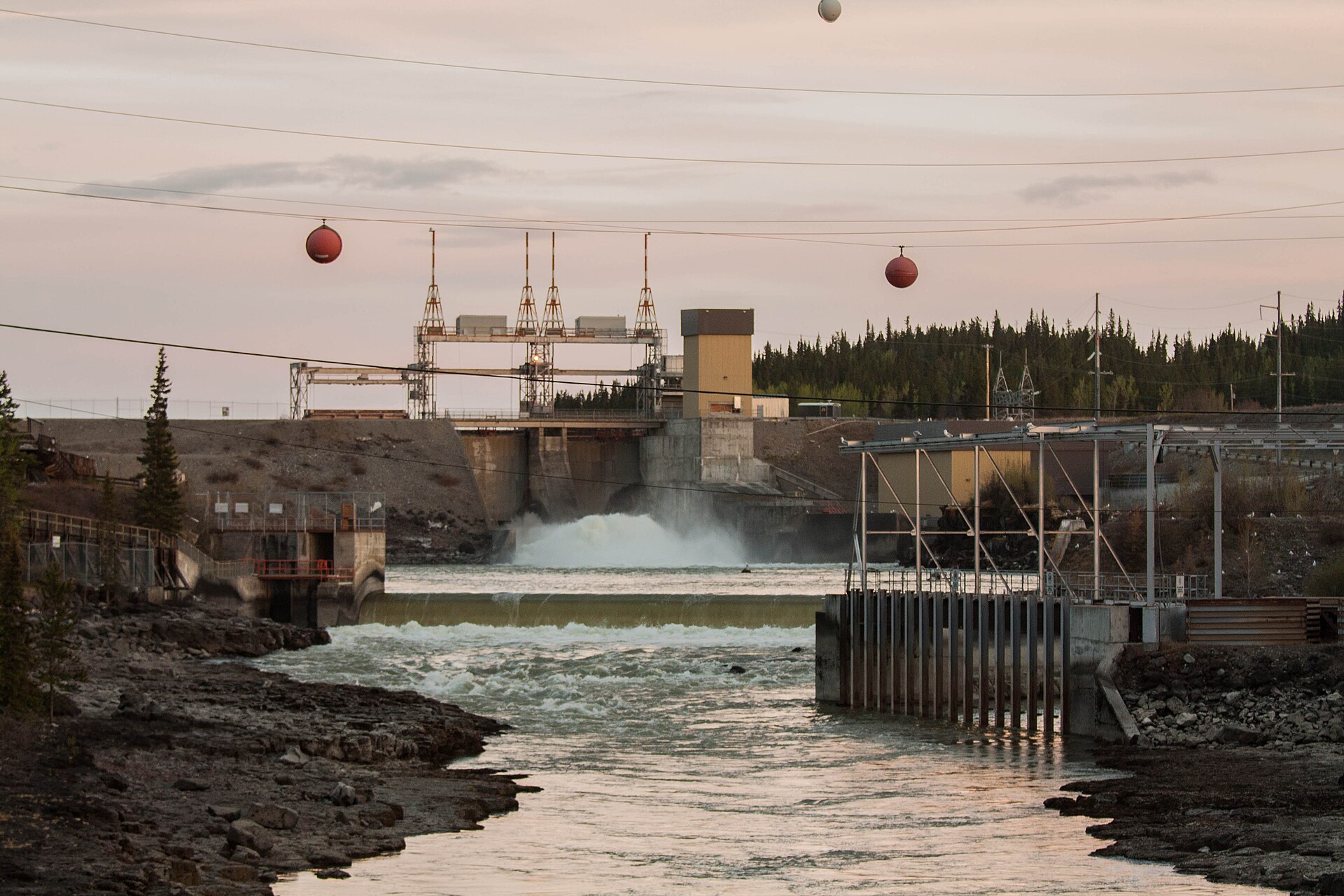
Laking said Ottawa should help extend the life of the Mayo generating facility and advance the Atlin hydro project, which would provide eight megawatts of clean energy. A connection to the B.C. grid remains a long-term prospect, he said. The latest public estimate, from early this year, was more than $4 billion, about double the territory’s $2-billion annual budget.
Laking said he has been meeting federal ministers about once a month since March and sees a better understanding in Ottawa of the territory’s challenges. “The big question will be, are we successful at getting the federal government to understand they need to be a funding partner as well?” he said.
The affordability pressure in the North is a recurring theme. The territory is also weighing a vote on lifting its rent cap, while the Northwest Territories forecast a $39-million deficit this week. Home heating costs are covered in our guide to heating rebates in Canada.
Source: CBC News, based on Laking’s interview and committee remarks.
If you find reporting like this useful, consider supporting Canada News Media, an independent Canadian newsroom with no corporate parent.
Follow Canada News Media
Get the day's top Canadian stories and our two daily 60-second news videos wherever you scroll.
X Threads Facebook Instagram LinkedIn TikTok YouTube Pinterest Reddit Substack Flipboard Newsletter RSS