





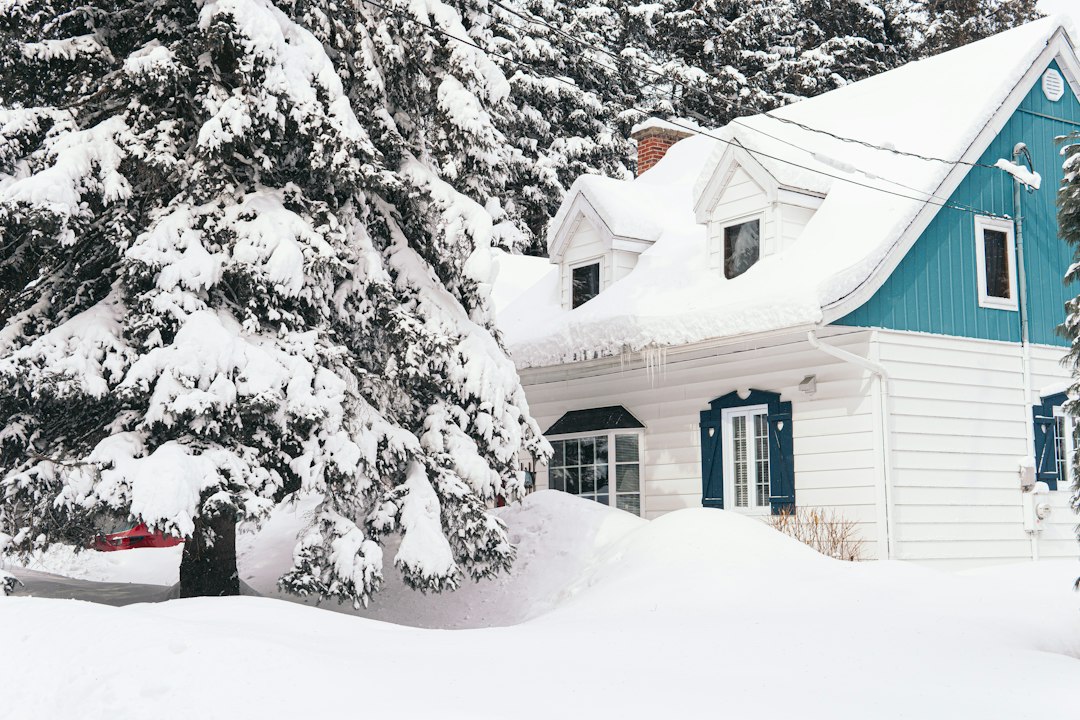
As heating season starts, several of Canada’s biggest federal home-energy grants are closed, leaving a patchwork of federal and provincial programs for homeowners hoping to cut winter bills, according to Natural Resources Canada (NRCan).
The main federal programs have changed sharply in the past two years. The Canada Greener Homes Grant is closed: NRCan says Dec. 31, 2025, was the last day to submit documents. The Canada Greener Homes Loan is also closed to new applications, though approved applications are not affected. The Oil to Heat Pump Affordability Program stopped taking applications after July 31, 2026.
That last program matters for households that still heat with oil. NRCan says it covered heat pumps, electrical panel upgrades, oil tank removal and electric water heaters, with one grant per household. Homeowners who already have approved applications face firm dates: project completion is due by Jan. 31, 2027, and the program closes March 31, 2027. Seven provinces and territories (British Columbia, New Brunswick, Newfoundland and Labrador, Nova Scotia, Ontario, Prince Edward Island and Yukon) offered extra funding on top.
What is still open at the federal level is the Canada Greener Homes Affordability Program. NRCan lists it as active and says the full cost of recommended retrofits is covered for eligible households, with no out-of-pocket cost. It targets low- to median-income homeowners and tenants. For renters and lower-income households, who often pay the most for poorly insulated housing, this is the program most worth checking first. NRCan’s site explains how to confirm eligibility and apply.
Provincial programs fill much of the rest of the map. A directory kept by Green Building Canada lists the following, though readers should confirm amounts and deadlines with each program, since the directory does not state end dates:
- Ontario: Save on Energy’s Home Energy Saver Program lists $2,500 to $5,000 for air-source heat pumps and $10,000 for ground-source systems.
- Quebec: Hydro-Quebec’s LogisVert program lists up to $6,700 per upgrade.
- British Columbia: FortisBC lists up to $2,000 in heat pump rebates, and BetterHomesBC covers broader upgrades.
- Nova Scotia: Efficiency Nova Scotia lists 50 per cent of the cost of a home heating system, up to $2,000.
- New Brunswick: SaveEnergy NB offers rebates for insulation, air sealing and heating equipment.
- Alberta: the Clean Energy Improvement Program offers financing, with terms of up to 20 years, for upgrades such as insulation and heat pumps.
- Manitoba: Efficiency Manitoba lists $500 per kilowatt of solar capacity.
The shift from broad grants to targeted help has a social-impact side. Programs aimed at lower-income households and oil-heated homes put the money where energy costs bite hardest, but they also leave middle-income homeowners who missed the Greener Homes Grant with fewer federal options and more reliance on where they live. Rural and Indigenous communities that depend on oil or propane often have the least access to contractors and advisors, a gap the closed oil program was meant to ease.
Practical steps before the cold sets in: check whether your income qualifies for the Affordability Program, look up your province’s utility or efficiency agency, and get quotes before buying equipment, since many rebate programs require pre-approval. Confirm that any contractor is registered with the program before work begins.
This is a developing picture. Provincial amounts come from a third-party directory and may change, and the sources reviewed did not give a firm end date for the Affordability Program. Readers should verify details with NRCan and their provincial program before applying.
Rebates are not the only way to trim heating costs. Our guide to the best smart thermostats on Amazon.ca for winter compares models that can lower the heat on a schedule.
If you find reporting like this useful, consider supporting Canada News Media, an independent Canadian newsroom with no corporate parent.
Sources: Natural Resources Canada, Canada Greener Homes Initiative; Green Building Canada, Incentive Finder. Via Natural Resources Canada.
Follow Canada News Media
Get the day's top Canadian stories and our two daily 60-second news videos wherever you scroll.
X Threads Facebook Instagram LinkedIn TikTok YouTube Pinterest Reddit Substack Flipboard Newsletter RSS