



To bleed a radiator, turn your heating off, let the radiator cool, then use a radiator key to open the small bleed valve at the top until air hisses out and water appears, and close it again. Doing it once a year, ideally before the heating season starts in September or October, is a common recommendation from plumbing and home-repair guides.
Air trapped inside a hot-water radiator is one of the most common reasons a room stays cold while the system is running. The air collects at the top, so the radiator feels warm at the bottom and cold above. Other signs include gurgling or bubbling noises and rooms that take longer to warm up. With the first cold snaps arriving across much of the country, the start of the heating season is a good time to check. This guide applies to hot-water (hydronic) radiators with a small bleed valve. It does not apply to steam radiators, and it does not cover repairs to the boiler itself.
What you need: a radiator key (inexpensive at hardware stores) or a flat-head screwdriver for slotted valves, an old towel or cloth, a small bowl or bucket, and work gloves. Needle-nose pliers can help with a stiff valve.
- Turn the heating off and let the radiator cool. Never bleed a radiator while the system is running or the radiator is hot. Hot water can scald, and leaving the system on can pull more air into the pipes.
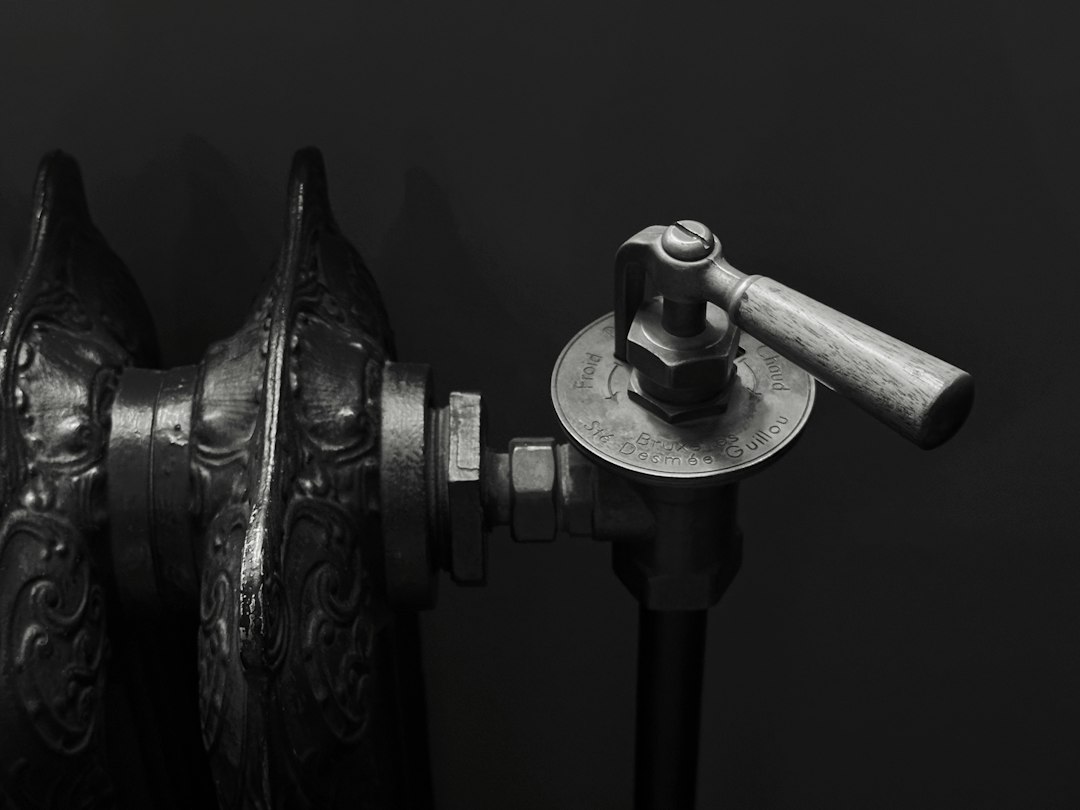
- Find the bleed valve. It is usually a small square or slotted fitting near the top corner on one end of the radiator.
- Protect the floor. Hold a bowl under the valve and put a towel beneath it. A little dirty water usually comes out with the air.
- Open the valve slowly. Fit the key on the valve and turn it counterclockwise, about half a turn is typically enough. You should hear a hiss as the trapped air escapes. Do not unscrew it all the way.
- Close it when water appears. Once the hissing stops and a steady trickle of water comes out, turn the valve clockwise until it is snug. Do not overtighten.
- Repeat on the other radiators. Work from the lowest floor to the highest, since trapped air tends to collect in the upper floors.
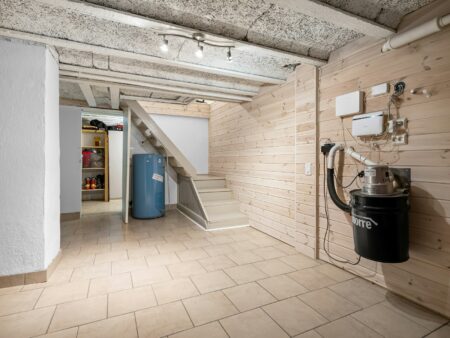
- Check your boiler pressure. Releasing air can lower the system pressure. Check the gauge on your boiler and compare it with the range in your boiler manual. One rule of thumb in a home-repair guide is about one pound per square inch (psi) for every two feet of height above the boiler, so a two-storey house often sits around 12 to 15 psi, but your manual is the authority.
- Turn the heating back on and test. After the system has warmed up, feel each radiator. It should heat evenly from top to bottom.
If the pressure has dropped below the range in your manual, follow the manufacturer’s instructions for topping it up. If you are not sure how to do that, or the system keeps losing pressure, call a licensed heating technician. The same goes for water that keeps leaking from a valve, radiators that stay cold at the bottom (which can point to sludge or a blockage rather than air), or any problem with the boiler itself. Boilers involve gas, combustion and high-temperature water, so they are not a place for guesswork.
Bleeding a radiator takes about 10 minutes per unit and can help your home heat more evenly, which may mean less wasted energy. If a radiator is still cold after bleeding, or you notice recurring noises, have the system checked before the cold sets in.
If you find reporting like this useful, consider supporting Canada News Media, an independent Canadian newsroom with no corporate parent.
Sources: Screwfix, Checkatrade and Bob Vila. Pressure figures vary by system; always follow your boiler manufacturer’s instructions.
Follow Canada News Media
Get the day's top Canadian stories and our two daily 60-second news videos wherever you scroll.
X Threads Facebook Instagram LinkedIn TikTok YouTube Pinterest Reddit Substack Flipboard Newsletter RSS