


Global markets, politics and public policy are all moving quickly today, with several developing stories that could ripple well beyond their home countries. While the headlines span different sectors, they share a common theme: decisions being made now by governments, regulators and major institutions are likely to affect trade, prices, travel and public confidence in the weeks ahead. For readers trying to make sense of a fast-changing news cycle, the most important takeaway is that these stories are not isolated events. They are part of a broader period of uncertainty that is shaping household finances, business planning and political debate around the world.
For Canadians, these developments matter because Canada is deeply tied to global markets, international supply chains and diplomatic relationships. When major economies shift policy, when conflict or political instability rises, or when central banks and regulators signal new priorities, Canadian families can feel it through mortgage costs, grocery bills, fuel prices and investment returns. Canadian businesses, especially exporters and firms that depend on imported goods, also have to react quickly to changes in demand, shipping conditions and exchange rates. Even when a story appears to be centred abroad, the effects can show up here in retirement savings, travel plans, government decision-making and the cost of everyday necessities.
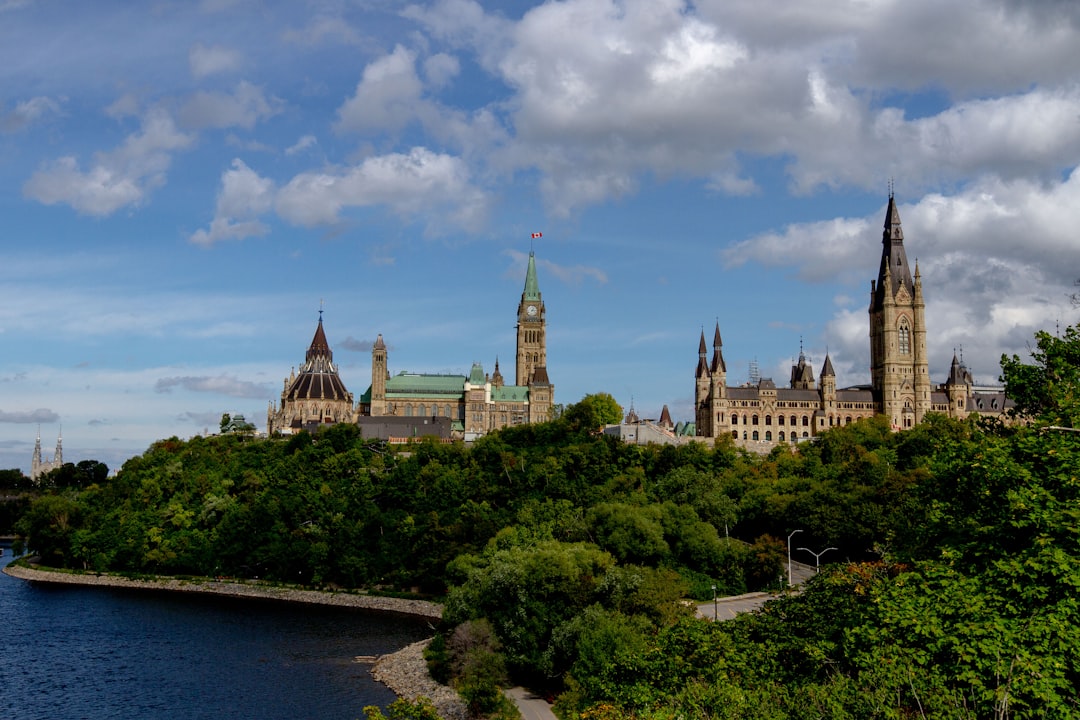
In the coming days, readers should watch for official updates from governments, central banks, major corporations and international agencies, as those announcements will likely clarify how serious each development may become. Markets often react first, but the longer-term impact usually depends on whether policymakers intervene, whether negotiations progress and whether public confidence holds. Canadians should also pay attention to responses from Ottawa, provincial governments and industry groups, since domestic reaction can shape how strongly global events are felt at home.
To understand why these stories matter, it helps to remember how interconnected Canada is with the rest of the world. Canada relies heavily on exports, cross-border investment and stable trading relationships, particularly with the United States but also with Europe and Asia. That means events affecting interest rates, energy markets, transportation networks, technology regulation or geopolitical stability can quickly become Canadian stories too. In recent years, households and businesses have already had to absorb inflation, higher borrowing costs, labour shortages and supply disruptions, so any new shock arrives in an environment where many people are still feeling financially stretched.
One major reason international headlines are resonating more strongly with Canadians is the lingering fragility of the post-pandemic economy. Even though inflation has cooled from its peak, many prices remain elevated compared with just a few years ago, and that leaves consumers sensitive to any sign that costs could rise again. Businesses are still adjusting to higher financing costs, and governments are facing pressure to balance affordability concerns with long-term spending needs. In that environment, even a seemingly distant development can take on added importance if it threatens to push up costs or delay economic recovery.
There is also a political dimension that Canadians should keep in mind. Around the world, governments are dealing with voter frustration over affordability, housing, public services and economic insecurity. Those same issues dominate debate in Canada, where federal and provincial leaders are under pressure to show they can protect jobs, keep inflation under control and respond to international events without adding more strain to public finances. When other countries announce major policy moves, Canadian politicians and public institutions often face immediate questions about whether this country should respond in kind, stay the course or prepare contingency plans.
Financial markets will likely remain especially sensitive to any fresh signals tied to interest rates, economic growth or geopolitical risk. For Canadian investors, that can mean volatility in pension funds, retirement portfolios and the shares of major Canadian companies, particularly in banking, energy, mining and manufacturing. Currency movements also matter: if the Canadian dollar shifts sharply against the U.S. dollar, it can change the price of imports and influence everything from vacation costs to the cost of equipment for Canadian firms. These links are not always obvious at first glance, but they are part of the reason international stories receive such close attention from Bay Street, policymakers and ordinary households.
Canadian institutions may also have to make practical adjustments depending on how these stories develop. Universities, hospitals, public agencies and large employers often depend on stable procurement systems, international talent recruitment and predictable funding conditions. If uncertainty grows in global markets or diplomatic relations, those organizations may face higher costs, delays or staffing challenges. For a country as trade-dependent and immigration-reliant as Canada, the consequences of global instability can be both economic and social.
Another factor for readers to watch is how quickly narrative turns into policy. Headlines can create a sense of urgency, but the most meaningful effects usually emerge when governments pass legislation, regulators issue guidance or major companies change investment plans. In Canada, that could mean closer monitoring by the Bank of Canada, new commentary from Finance Canada, fresh trade positioning from Global Affairs, or targeted action by provincial governments trying to shield local industries and consumers. The next phase of any major story is often where Canadians get a clearer picture of what it will mean for jobs, household budgets and public services.
Background matters because many of today’s fast-moving stories are rooted in longer trends rather than sudden one-off events. Since the pandemic, the global economy has been marked by repeated disruptions, including supply-chain breakdowns, inflation spikes, war-related uncertainty and intense debate about the right path for interest rates. Canada has navigated those pressures relatively better than some peers in certain areas, but it has not been insulated. High housing costs, stretched public systems and uneven productivity growth have made the country more vulnerable to external shocks.
That broader context helps explain why Canadians are paying close attention even when details are still emerging. People have learned that global events can quickly change local realities, whether through higher energy bills, tighter credit, weaker consumer confidence or delayed business investment. The lesson from recent years is that resilience cannot be taken for granted. For Canadian readers, the key is not only to follow the headlines, but to understand how international decisions can filter into daily life here through prices, jobs, services and the policy choices made by governments at every level.