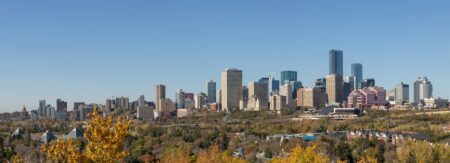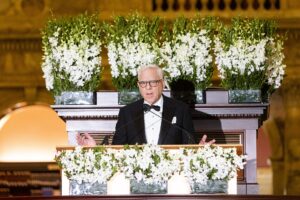


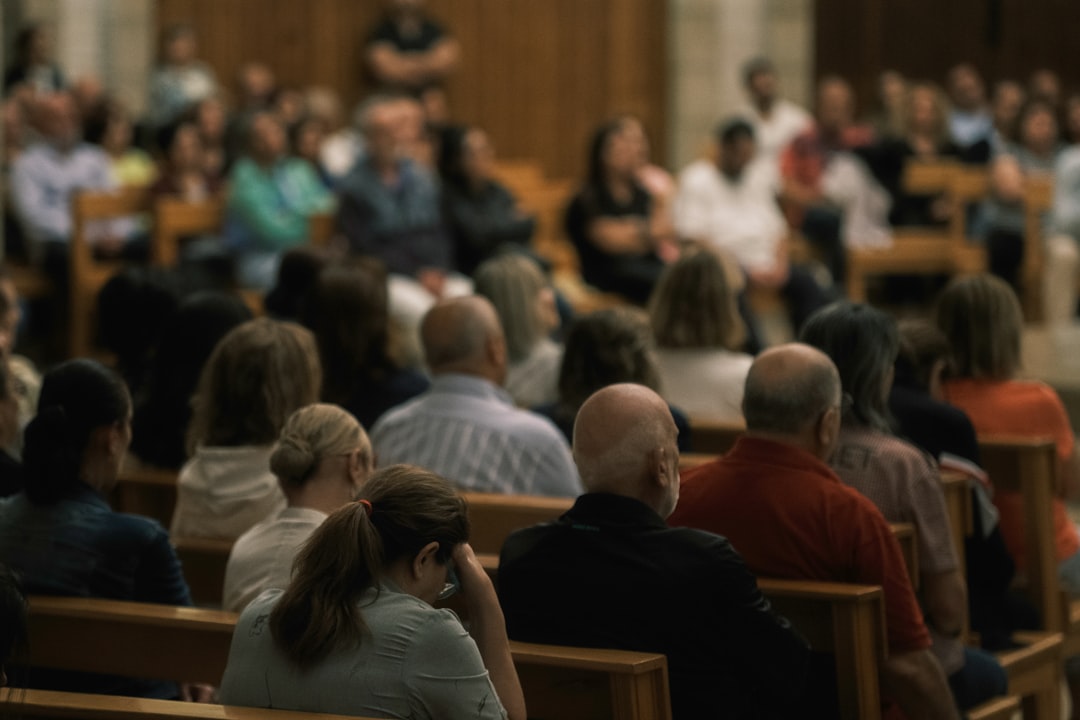
More than 50 pastors, clergy members, and church leaders from across Alberta are publicly challenging the Alberta Christian Leadership Summit, saying the event reflects a narrow circle of influence rather than the wider diversity of Christian communities in the province. Their joint statement argues the summit gives outsized prominence to people and organizations with strong political connections, while many congregations, denominations, and grassroots faith leaders remain outside the conversation. The dispute has turned a church gathering into a broader public discussion about who gets to speak for Christians in Alberta and how faith intersects with politics, money, and social power. It also highlights a growing divide among believers over whether high-profile religious events are building unity or deepening exclusion.
For Canadian readers, this matters because faith organizations continue to shape public life in many communities, from local charities and food programs to schools, refugee sponsorship, and debates around public policy. When church leadership spaces are seen as inaccessible or dominated by insiders, that can affect trust not only within congregations but also in the wider institutions that work alongside them. In Alberta and beyond, many Canadians are paying closer attention to how religious influence is used in conversations about education, health care, sexuality, poverty, and government decision-making. The concerns raised by these leaders also speak to a wider Canadian issue: whether major civic and religious gatherings reflect the country’s diversity or mainly amplify the voices of those who already hold influence.
In the coming weeks, observers will be watching to see whether summit organizers respond directly to the criticism and broaden participation at future events. It will also be important to see whether more churches, denominations, or faith-based groups add their names to the statement or call for a more open model of leadership gathering. The reaction from Alberta’s political and religious communities could shape whether this remains a dispute within church circles or grows into a larger debate about public accountability and representation. Any effort at dialogue between organizers and critics may determine whether the controversy cools or becomes a lasting fault line in Alberta Christianity.
The Alberta Christian Leadership Summit has drawn attention because it is seen by supporters as an influential meeting place for Christian leaders who want to discuss cultural issues, leadership, and public engagement. Critics, however, say that kind of influence brings responsibilities around transparency, inclusion, and fairness, especially when the event appears to carry social and political weight beyond the church world. Alberta’s Christian landscape is broad, including evangelical, mainline Protestant, Catholic, Orthodox, Black, immigrant, Indigenous, and non-denominational communities, many with very different experiences of leadership and access. Against that backdrop, the statement from more than 50 leaders is about more than one summit; it reflects a longer-running tension over whose voices are welcomed, whose concerns are prioritized, and what responsible religious leadership should look like in a diverse Canadian province.
Follow Canada News Media
Get the day's top Canadian stories and our two daily 60-second news videos wherever you scroll.
X Threads Facebook Instagram LinkedIn TikTok YouTube Pinterest Reddit Substack Flipboard Newsletter RSS