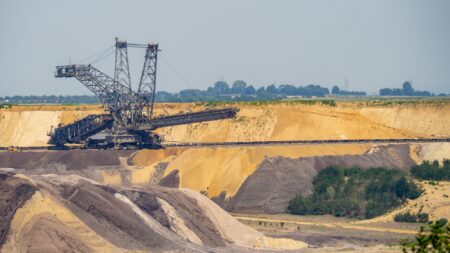




Prices Canadian factories charge at the plant gate rose 13.5 per cent in August from a year earlier, Statistics Canada reported Sept. 17, more than four times the pace of consumer inflation and a direct test of the one condition the Bank of Canada named when it explained why it is not cutting interest rates.
The Industrial Product Price Index, which measures what manufacturers operating in Canada receive for goods as they leave the plant, rose 1.3 per cent from July, roughly double the 0.6 per cent monthly increase recorded a month earlier. The Raw Materials Price Index, which tracks what those same manufacturers pay for the inputs they buy, rose 3.1 per cent on the month and 22.8 per cent from August 2025.
Those figures sit awkwardly next to the consumer numbers Statistics Canada published three days before. The Consumer Price Index rose 3.0 per cent year over year in August, unchanged from July, and the Bank of Canada’s preferred core measures, CPI-trim and CPI-median, averaged 2.0 per cent, sitting exactly on the Bank’s target.
A gap that wide between factory-gate inflation and shopping-cart inflation is less mysterious than it looks, and it is worth understanding before anyone reads 13.5 per cent as a warning about the price of groceries. Much of what Canadian plants, mines and refineries sell never reaches a Canadian consumer at all. Crude oil, refined petroleum, base and precious metals, lumber and industrial chemicals are priced on world markets and shipped mostly across borders. The index is also calculated in Canadian dollars, so a softer loonie lifts the reported price of an export sold in U.S. dollars without a single foreign buyer paying more. And the consumer basket is weighted heavily toward shelter, services and food, categories the industrial index does not measure at all.
What makes the Sept. 17 release worth more than a passing glance is a sentence in the Bank of Canada’s own reasoning. When governing council held the policy rate at 2.25 per cent on Sept. 2, a seventh consecutive hold, it said it was prepared to raise rates if inflation pressure broadened beyond energy. The new data speaks to exactly that question. Statistics Canada’s breakdown shows the industrial index still rose 0.8 per cent in the month with energy products stripped out, with non-ferrous metals and chemicals among the categories climbing. That is well short of the headline figure, but it is not confined to the oil patch either.
Traders have noticed. BNN Bloomberg reported Sept. 18 that the odds of a Bank of Canada rate hike before the end of the year have jumped, with the Oct. 28 decision now close to a coin flip and pricing leaning narrowly toward an increase. The prediction market Polymarket has put the probability of at least one hike in 2026 at roughly two thirds. Six months ago, the live question was how quickly the Bank would keep cutting.
Producer prices remain an unreliable forecaster of consumer prices, and the link between them is slower and weaker than the raw percentages suggest. Manufacturers absorb some cost increases, wholesalers and retailers absorb more, and competition eats the rest. The August surge also leans heavily on energy, where oil topped US$100 a barrel on Sept. 9, and energy reaches Canadian households mainly through the gas pump, where prices were already up 22.8 per cent year over year in August, rather than through the factory channel.
For anyone carrying a variable-rate mortgage, a home equity line of credit or an unsecured line of credit, the shift in expectations is the part that lands soonest. Those products move with the Bank’s policy rate within weeks of a decision, not years. Anyone facing a renewal in the next six months is exposed to the same repricing.
Two things stand between now and that decision: the September inflation report, and the Bank’s quarterly Monetary Policy Report, published alongside the Oct. 28 announcement. The final rate decision of the year follows Dec. 9.
via Statistics Canada and BNN Bloomberg