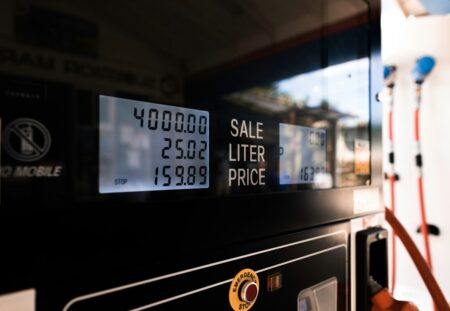


Canadian drivers should get some relief at the pump starting Sept. 16, when refineries finish switching to cheaper winter gasoline. Diesel is moving in the opposite direction, and diesel is the fuel that reaches household budgets through the grocery bill.
Winter blends use more butane, a lower-cost component that improves cold-weather engine performance. That switch, combined with falling driving demand as temperatures cool, is normally worth five to 20 cents a litre on regular gasoline, petroleum analyst Patrick De Haan of GasBuddy told Global News. On a 50-litre tank, that is roughly $10. The national average for regular grade sat at about $1.77 a litre as of Sept. 11, according to CAA, against $1.42 a year earlier.
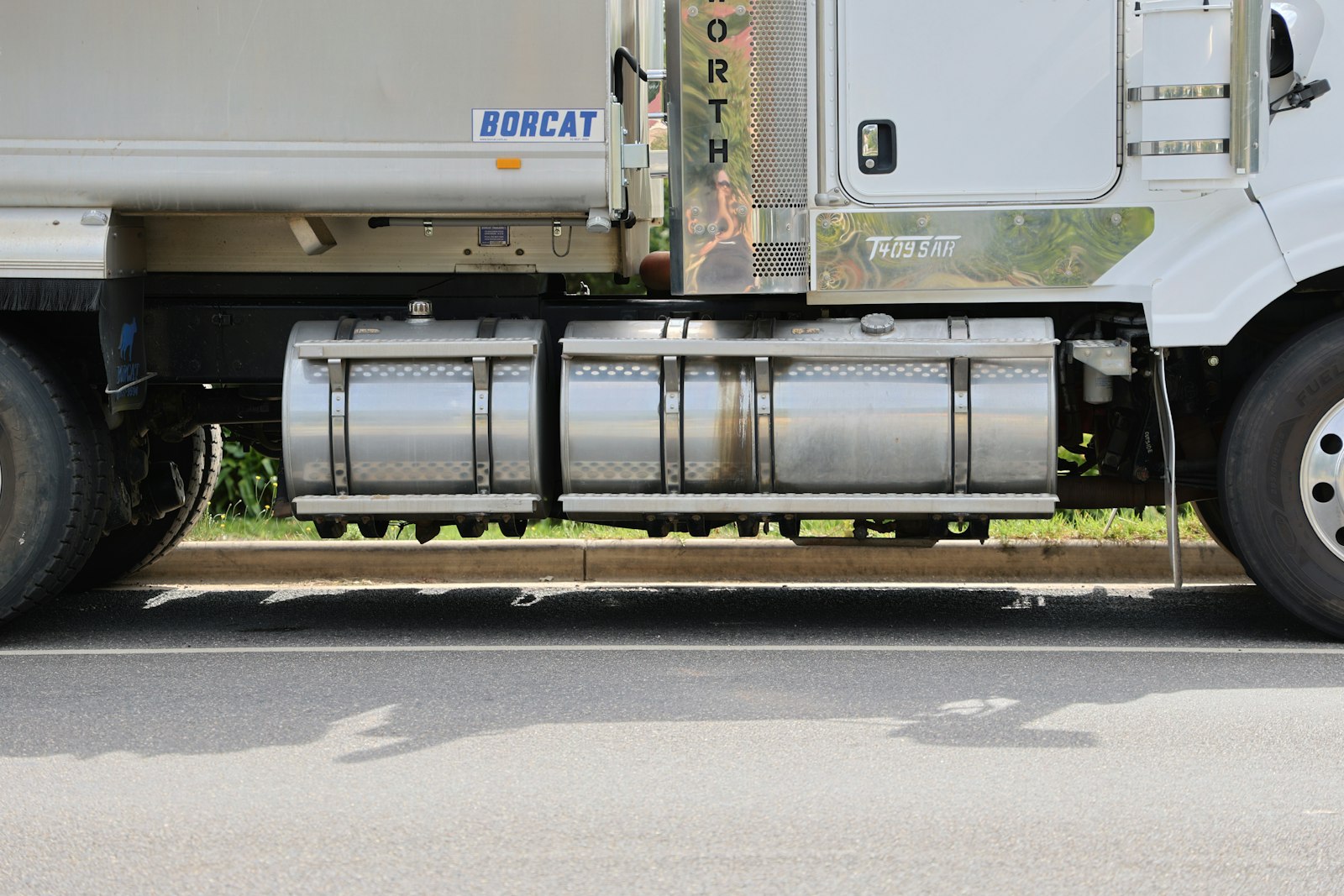
Diesel gets no equivalent seasonal discount. It reached a record $2.62 a litre nationally on Sept. 13, up from $2.52 a week earlier, RealAgriculture reported, arriving in the middle of harvest. Diesel prices also tend to climb further through winter, when heating demand competes for the same distillate barrels. CBC News reported that a diesel increase works its way through shipping, storage and production at every stage of the food supply chain, and that the usual long lag before it shows up on grocery shelves may be shorter this time.
The timing is what makes this worth watching rather than merely unpleasant. Statistics Canada reported Sept. 14 that annual inflation held at three per cent in August, with gasoline up 22.8 per cent year over year, easing from 25.7 per cent in July. Food prices rose 2.8 per cent, growing more slowly than overall inflation for the first time since July 2024. Excluding gasoline, prices rose 2.4 per cent.
Put those pieces together and a pattern emerges that the monthly inflation headline is not built to show. The single component that has been driving the top-line number is about to take a seasonal discount, while the fuel that feeds most directly into food costs sits at an all-time high with its own seasonal increase still ahead. September’s gasoline figure may look calmer than the underlying energy shock actually is, and some of that calm will be a function of the calendar rather than of anything easing overseas.
Nothing has eased overseas. Saudi Arabia shut its East-West pipeline after a drone strike on a pumping station on Sept. 11, CBS News reported, citing satellite imagery of fire damage. The 745-mile line carries crude from the Persian Gulf to Yanbu on the Red Sea and had become Riyadh’s main workaround for shipping risk in the Strait of Hormuz. The Associated Press, citing two regional officials, reported the line could take three to five weeks to return to full service. Reuters estimated that a prolonged outage could take about four per cent of world oil supply offline. Saudi output fell below six million barrels a day in August from about eight million in July, according to the International Energy Agency. Brent crude reached roughly $108 a barrel on Monday, a near four-month high, against about $67 before the war began at the end of February. This site covered oil crossing $100 a barrel on Sept. 9; the pipeline attack is the development since.
There is a second thing the pump price obscures, and it is specific to Canada. This country is a net oil exporter, shipping 4.3 million barrels a day of crude worth $140 billion in 2025, about 90 per cent of it to the United States, according to the Canada Energy Regulator. A crude spike is not a straight national loss the way it is for an importing economy. It moves money toward producing provinces, royalty revenues and the trade balance while taking it out of the pockets of everyone who drives, heats or buys food. Canadians do not experience that as a wash, because the household paying $2.62 a litre for diesel is rarely the one collecting the royalty.
The Bank of Canada held its policy rate at 2.25 per cent on Sept. 2 and next decides on Oct. 28, with a full Monetary Policy Report. It will be reading a September inflation number with a seasonal discount baked into its most-watched component.
via Global News, globalnews.ca/news/12055794/gas-prices-winter
Follow Canada News Media
Get the day's top Canadian stories and our two daily 60-second news videos wherever you scroll.