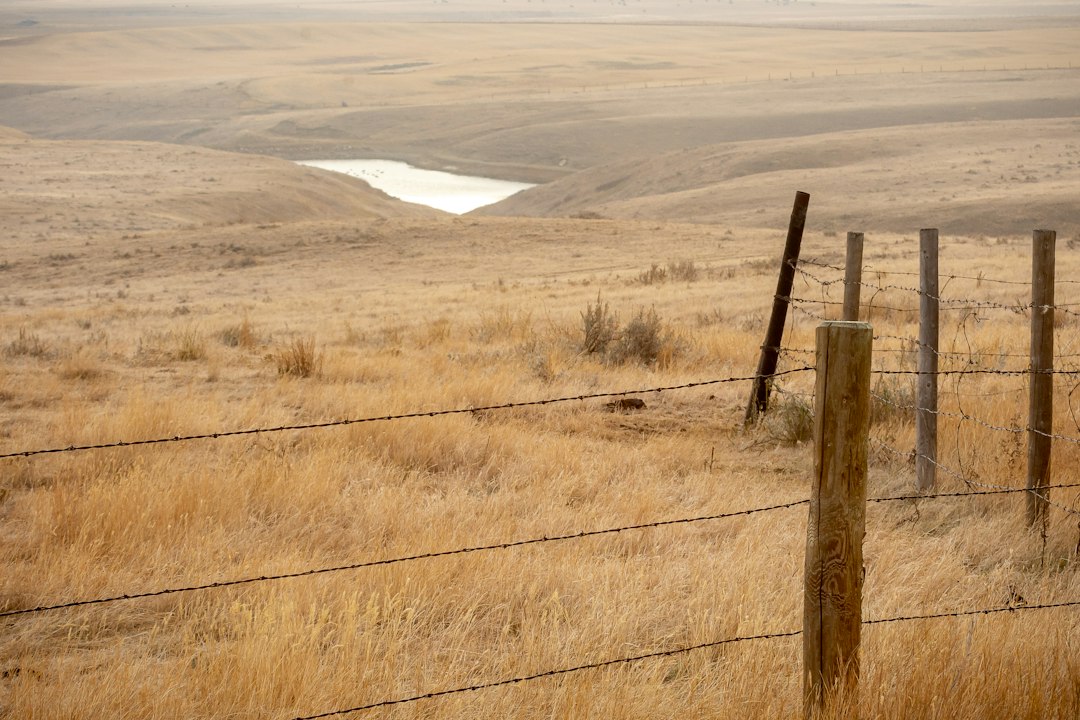
Alberta landowners will no longer need Water Act approval to work, drain or fill temporary and seasonal wetlands on private cropland once new provincial rules take effect this fall, a change that has split conservationists and farm groups.
The province announced in late August that “routine agricultural activities” on those wetlands would be exempt from approval, CBC reported on Sept. 13. Earlier amendments had limited exempt work to low-impact activities such as cultivating, direct seeding and spraying.
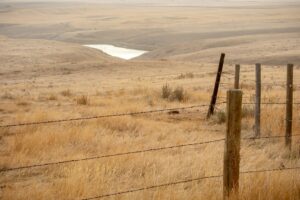
Temporary wetlands hold water for only a few weeks in spring or after heavy rain. Seasonal wetlands hold water for most of the growing season and dry out by late summer.
Environment Minister Grant Hunter’s office said farmers “should not have to spend thousands of dollars, hire consultants” and wait for approval to manage temporary water, according to CBC. The office called the changes “targeted, common-sense changes” for routine work on private cropland.
The government has described the move as a restoration of property rights for farmers, the Alberta Wilderness Association said in a Sept. 2 news release.
The province said protections for sensitive and at-risk species still apply and that water managed under the exemption must stay on the property without harming neighbours. Tile drainage approvals will be replaced by a code of practice, and downstream landowners’ consent will be required where drainage could affect them, the minister’s office said.
The Alberta Wilderness Association said a new tile drainage code is expected by early 2027. It also said the benefits wetlands provide would no longer be weighed before their destruction is permitted, and that only potentially affected downstream landowners would be considered.
The association said the changes were made without public consultation. The province has not been quoted in the sources reviewed as responding to that claim.
The government estimates 60 to 70 per cent of wetlands in settled parts of Alberta have already been lost, CBC reported. The province pointed to existing programs, including the Private Land Conservation Program, the Wetland Replacement Program and the Resilient Agricultural Landscape Program.
Ruiping Luo, a conservation specialist with the Alberta Wilderness Association, said temporary and seasonal wetlands are critical habitat for birds, amphibians and insects. She said wetlands also reduce the effects of flooding and drought and help protect water quality. Luo said Alberta’s wetlands are home to about 400 plant species, some of them threatened or endangered.
Tracy Scott, a recently retired wetlands conservationist who helped develop the province’s wetland policy, called the move “very counter to the evidence” supporting conservation. He said it puts most of the remaining wetlands in the settled area at risk of drainage.
Scott also objected to the province describing other wetlands as “higher-value,” saying that implies temporary and seasonal wetlands are low-value. He cited a 2005 U.S. Fish and Wildlife Service study that found breeding ducks used small temporary and seasonal wetlands more than any other type.
Guy Greenaway, executive director of the Corvus Centre for Conservation Policy, said the rules could make it impossible to track how much wetland is lost, since much of the activity may happen without anyone knowing. Jason Unger, executive director of the Environmental Law Centre, raised questions about how the government will monitor and enforce the rules. He noted that seasonal wetlands may appear in some years but not others, which makes it hard to decide what qualifies.
Farm groups welcomed the change. Will Muller, chair of Alberta Pulse Growers, said it will help pulse farmers manage waterlogged soils and give them more flexibility. Andre Harpe, chair of Alberta Canola, said farmers care about wetlands and wildlife, and that the changes let them protect soils, particularly in wet years, while still providing habitat.
Team Alberta Crops wrote to Agriculture Minister Tara Sawyer days before the announcement, asking for an approach focused on protecting wetlands with the highest ecological value, CBC reported.
The Alberta Biodiversity Monitoring Institute estimates non-permanent water bodies cover 6.5 per cent of the prairie region, out of 6.9 per cent total wetland area, according to the Alberta Wilderness Association. That suggests most prairie wetland area is the kind the new exemption covers, though the association did not frame it that way and the figures were not independently checked here.
The exact start date of the rules has not been confirmed in the sources reviewed. This story is developing.
If you find reporting like this useful, consider supporting Canada News Media, an independent Canadian newsroom with no corporate parent.
Via CBC News (Yahoo News Canada copy) and the Alberta Wilderness Association.
Follow Canada News Media
Get the day's top Canadian stories and our two daily 60-second news videos wherever you scroll.