



Ottawa’s proposal to lift the cap on insurable mortgages from $1 million to $1.5 million would matter in only a handful of Canadian housing markets, a review of October 2026 board data shows, because most typical prices sit either below the current limit or well above the new one.
Budget 2026, tabled Nov. 5, also proposes raising the maximum amortization on those mortgages to 30 years from 25 when at least one buyer is a first-time buyer or the home is new construction, according to Clay Jarvis, a mortgage expert at Ratehub.ca. Both measures are proposals, not law. Ratehub notes they apply to buyers who can put 20 per cent down, which on a $1-million to $1.5-million home means savings of $200,000 to $300,000.
Where the new price band reaches
The Toronto Regional Real Estate Board’s MLS Home Price Index put the benchmark price of a single-family detached home across its areas at $1,194,200 in October, down 4.44 per cent from a year earlier, according to TRREB’s public tables. That is above today’s $1-million cap and well inside the proposed one. In the Fraser Valley, the Fraser Valley Real Estate Board’s detached benchmark was $1.294 million, down 8.5 per cent year over year, Daily Hive reported.
Metro Vancouver is a split picture. Greater Vancouver Realtors reported a detached benchmark of $1,775,200, down 7.0 per cent from October 2025, which would still sit $275,200 above the proposed cap. The board’s composite benchmark for all home types was $1,068,600, and its townhouse benchmark was $1,006,500, according to figures Mortgage Sandbox tabulated from GVR data. Those two categories sit just over the current cap and comfortably under the proposed one.
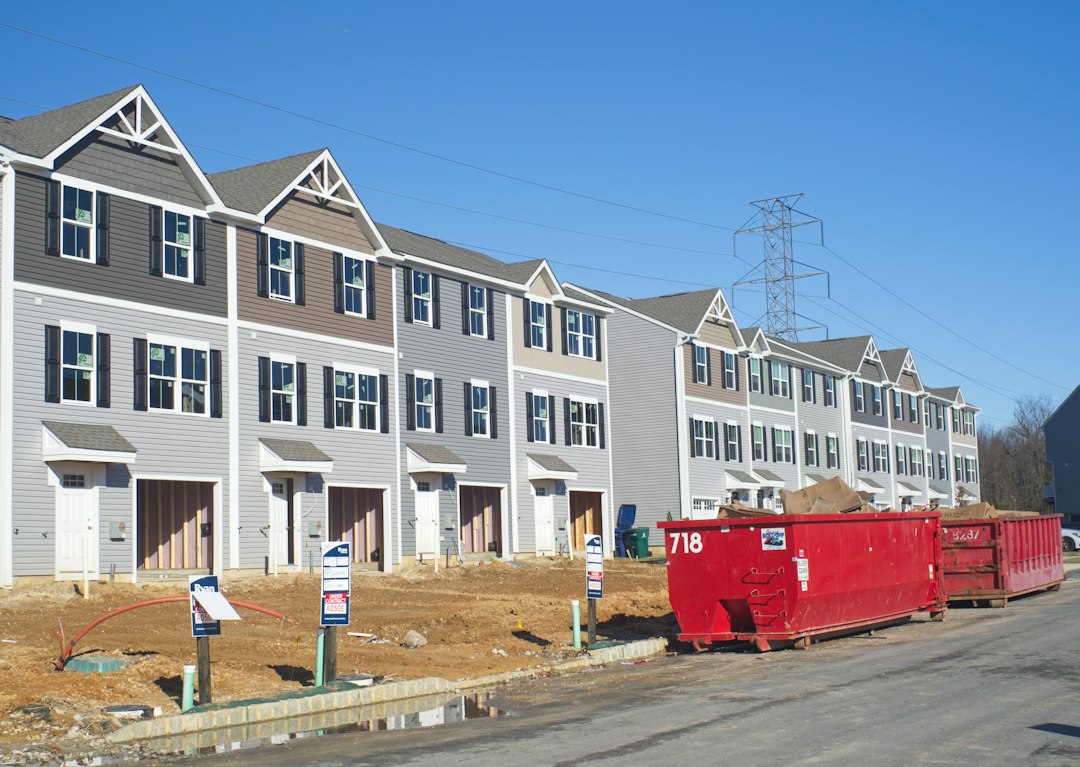
Elsewhere the change would not touch a typical purchase. The Calgary Real Estate Board put the city’s detached benchmark at $735,100 in October, Daily Hive reported. The Ottawa Real Estate Board reported an average residential sale price of $678,512, and the Canadian Real Estate Association put the national average at $678,584, The Canadian Press reported. All sit under the existing $1-million limit. Benchmark prices and average sale prices are different measures and are not directly comparable, but both point the same way.
What 30 years is worth
The longer amortization is likely to matter more to monthly payments than the higher cap. Using the TRREB benchmark, a buyer with 20 per cent down ($238,840) would borrow $955,360. Canada News Media’s calculation uses the semi-annual compounding Canadian lenders apply and a rate of 4.34 per cent, the lowest five-year fixed insured rate Ratehub cited after the Bank of Canada’s Oct. 28 hike to 2.50 per cent. It puts the payment at about $5,203 a month over 25 years and $4,729 over 30, a difference of roughly $474 a month, or $5,694 a year.
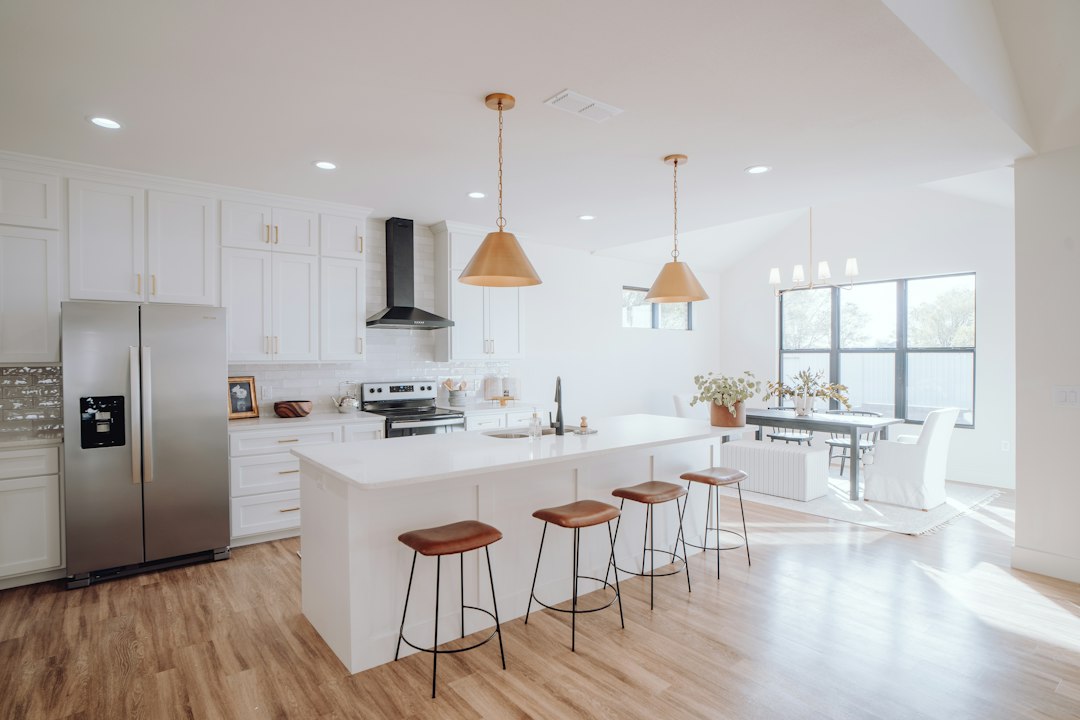
The trade-off is cost. At the same fixed rate, total payments would come to about $1.70 million over 30 years versus about $1.56 million over 25, roughly $141,000 more. The illustration holds the rate constant and is not a lender quote.
Eligibility is the catch. As Ratehub describes the proposal, a repeat buyer purchasing a resale detached home would not qualify for the 30-year term, while a first-time buyer or anyone buying new construction would. Ratehub’s summary calls the changes proposals and does not give a start date.
Sources: Ratehub.ca; Toronto Regional Real Estate Board; Daily Hive (Greater Vancouver Realtors and Fraser Valley Real Estate Board); Mortgage Sandbox; Daily Hive (Calgary Real Estate Board); Ottawa Real Estate Board; BNN Bloomberg and The Canadian Press; MoneySense.
Follow Canada News Media
Get the day's top Canadian stories and our two daily 60-second news videos wherever you scroll.
X Threads Facebook Instagram LinkedIn TikTok YouTube Pinterest Reddit Substack Flipboard Newsletter RSS