


Flu is spreading earlier and faster across Canada this fall, with 13.7 per cent of influenza tests coming back positive in the week ending Nov. 7, up from 11 per cent a week earlier and 1.8 per cent in early September, according to our analysis of Public Health Agency of Canada laboratory data.
Labs detected 4,221 flu cases that week out of 30,828 tests, the agency’s weekly respiratory virus detection data show. That was a 28 per cent jump from the 3,305 detections the week before, and about 14 times the 296 detections in the week ending Sept. 5. Nearly all of them, 4,178, were influenza A.
The season also took off weeks earlier than it did two years ago. The agency’s FluWatch reports use 5 per cent test positivity as the threshold for a seasonal flu epidemic. This fall, national positivity first rose above that line in the week ending Oct. 10, when it reached 5.6 per cent, and it has climbed every week since. In the 2023-24 season, positivity did not cross 5 per cent until the week of Nov. 12 to 18, 2023, according to that season’s FluWatch report, more than a month later.
The western regions are well ahead of the rest of the country. In the week ending Nov. 7, 21.1 per cent of flu tests were positive in the Prairies and 20.6 per cent in British Columbia. Quebec was at 12.2 per cent, Atlantic Canada at 11.9 per cent and Ontario at 7.7 per cent. The three territories posted 31.9 per cent, but that figure rests on only 135 tests, so it can swing sharply from week to week.
The fastest growth came in the Prairies and Quebec. Flu detections in the Prairies rose 66 per cent in one week, from 935 to 1,555, and Quebec’s rose 66 per cent, from 622 to 1,031. Atlantic Canada’s rose 42 per cent and Ontario’s 10 per cent. In British Columbia, detections fell from 774 to 522, but the number of tests also dropped sharply, from 3,991 to 2,534, and the share testing positive kept rising, from 19.4 per cent to 20.6 per cent.
Ontario stands out for how slowly its season is building. Its positivity of 7.7 per cent is little changed from 7.4 per cent a week earlier and is roughly a third of the rate in the Prairies.
The Public Health Agency of Canada said last week that flu activity is expected to keep rising in the coming weeks and that people 65 and older are the most affected age group, The Canadian Press reported on Nov. 13. The agency said Prince Edward Island had the highest positivity of any province, between 26.1 and 39.5 per cent, according to that report.
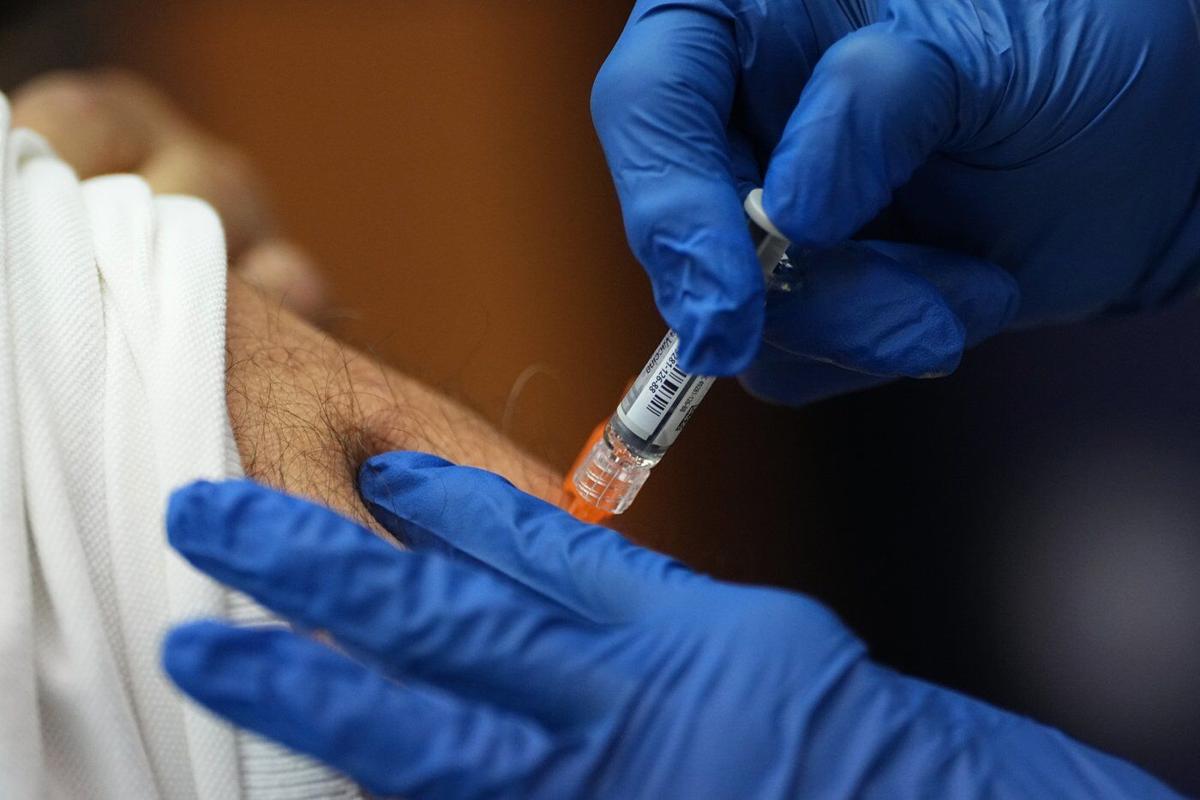
Vaccines are available in every province. Our 2026 flu shot guide lists when and where shots are offered by province, including the change in who qualifies for a free shot in Quebec. Health Canada also approved Moderna’s mRNA flu and combined flu-COVID vaccines earlier this month, and our guide to RSV vaccines for adults covers the other shot many older Canadians are offered this season.
How we did this: we downloaded the Public Health Agency of Canada’s weekly respiratory virus detections data file on Nov. 19, 2026. The latest week in the file ends Nov. 7. The agency reports provinces in six regions (British Columbia, the Prairies, Ontario, Quebec, Atlantic Canada and the territories), so figures for single provinces other than B.C., Ontario and Quebec are not available from this file. Percent positive is detections divided by tests. Lab detections count only people who were tested, so they understate the true number of infections.
Sources: Public Health Agency of Canada respiratory virus detections data and FluWatch reports; The Canadian Press.
If you find reporting like this useful, consider supporting Canada News Media, an independently owned Canadian newsroom.
Follow Canada News Media
Get the day's top Canadian stories and our two daily 60-second news videos wherever you scroll.
X Threads Facebook Instagram LinkedIn TikTok YouTube Pinterest Reddit Substack Flipboard Newsletter RSS