

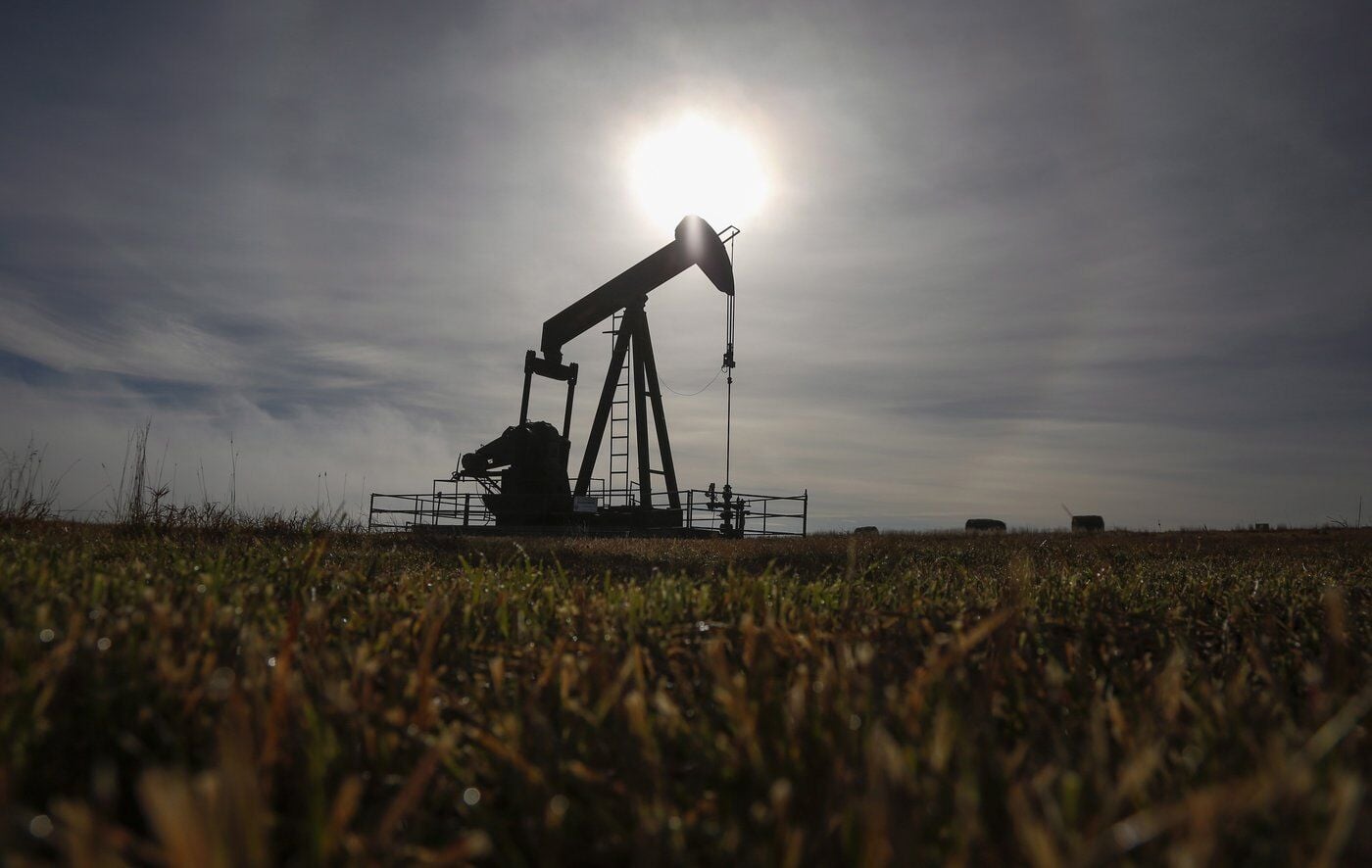
One insolvent oil and gas producer now accounts for more than one in five orphan wells still waiting to be cleaned up in Alberta, and just five defunct or insolvent companies account for more than half, according to a Canada News Media analysis of the Orphan Well Association’s full site inventory.
The association’s inventory list, dated Nov. 2, 2026, contains 23,420 well licences designated as orphans by the Alberta Energy Regulator. Of those, 18,586 have not yet been closed, certified as reclaimed or transferred to another operator. Long Run Exploration Ltd., whose assets the regulator turned over to the association in April 2026 after a receivership, is listed as the former licensee on 4,026 of them, or 21.7 per cent.
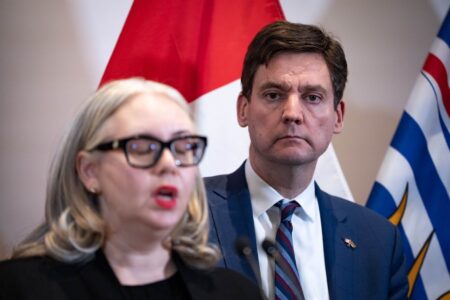
The finding comes a day after the Alberta government introduced legislation that would require companies to set aside cleanup money for every new well drilled after April 1, 2027, The Canadian Press reported. Energy and Minerals Minister Brian Jean said the goal was to “stop the flow of unfunded wells to the Orphan Well Association.” The bill does not apply to wells already in the orphan inventory, which industry pays to close through an annual levy.
The concentration is steep. Sequoia Resources Corp. is the former licensee on 2,661 open orphan wells, or 14.3 per cent, followed by Sanling Energy Ltd. with 1,434, Trident Exploration (Alberta) Corp. with 953 and Houston Oil & Gas Ltd. with 781. Together those five account for 9,855 wells, or 53 per cent of the open total. The top 10 account for 12,737, or 68.5 per cent, even though 430 different former licensees have at least one open orphan well on the list. Of those, 335 left 10 wells or fewer.
Being on the list is not a new finding against any company. A licence lands in the inventory only after the regulator designates it an orphan, which happens when the licensee is insolvent, defunct or otherwise unable to close its sites. The association’s 2025-26 annual report names Sequoia, Lexin Resources and Long Run as past and present inventory surges that arrived “in one day when an insolvency process is completed.”
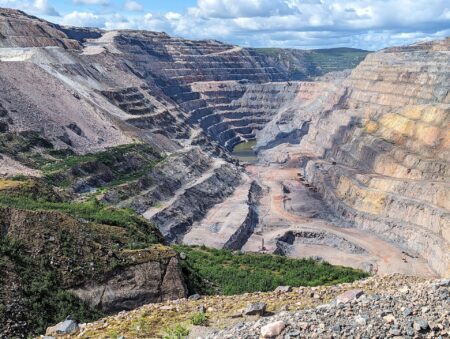
For Albertans, the size of the queue matters because orphan sites sit on farmland, pasture and, in some cases, inside towns until they are closed. The association’s annual report describes a leaking 1954 gas well in a Bonnyville residential neighbourhood that required two houses and a duplex to be demolished before it could be fixed.
The association’s own monthly count, posted on its website, shows 7,985 sites waiting to be decommissioned, including 7,328 wells, and another 9,258 sites waiting to be reclaimed. Decommissioning means plugging and dismantling a well so it is safe; reclamation means restoring the land.
That backlog is large against the association’s recent pace. It decommissioned 721 wells in the fiscal year that ended March 31, 2026, up from 429 the year before, according to the annual report. At the 2025-26 pace, the 7,328 wells now waiting would take about 10 years to decommission, before reclamation work that the report says can take several more years per site. The association said it expects to make “a significant reduction in the inventory over the coming years” and to start work on Long Run’s sites in earnest next spring.
The Long Run transfer alone added 2,980 wells requiring decommissioning plus 938 sites already decommissioned, the report says. Before that transfer, the association’s inventory of wells to decommission stood at 4,200 at March 31, 2026, up 13 per cent from 3,716 a year earlier.
The money side has grown too. The association estimated the remaining closure cost of the sites it manages at about $1.16 billion as of March 31, 2026, and said Long Run and other assets added since would add about $500 million. The industry-funded Orphan Fund Levy is $154.6 million for 2026-27, up seven per cent from $144.5 million. In 2025-26, the association said its average cost was $28,800 to decommission a well and $27,700 to reclaim a site.
The association is also still repaying government help. Its audited financial statements show interest-free loans of $235 million and $100 million from the province and $200 million from the federal government, with $330.2 million in notes still payable as of March 31, 2026. The federal loan is not scheduled to be repaid until 2032 to 2035.
The inventory list does not say how long each site has been waiting, how much each will cost or what risk it poses, and the association said in its annual report that it does not foresee any Long Run site posing a high risk to public safety or the environment. The list also excludes inactive wells still held by operating companies, which the regulator counted at 77,932 in its latest liability report, as Canada News Media reported Nov. 11. The new well-fund rules sit in the same bill that would bar large data centres near homes. The regulator has also ordered other wells shut in this fall.
How we checked: We downloaded the Orphan Well Association’s full site inventory spreadsheet dated Nov. 2, 2026, linked from its site-specific inventory page, and counted every row whose component type is a well. We treated wells with a project status of Closed, Rec Cert Issued or RDT/Transferred as no longer open and grouped the remaining 18,586 by the licensee named in the file. Monthly totals come from the association’s inventory overview page. Pace, cost, levy, loan and Long Run figures come from the Orphan Well Association 2025-26 annual report, including its audited financial statements. The 10-year figure is our division of 7,328 wells by the 721 decommissioned in 2025-26. The new well-fund bill was reported by The Canadian Press on Nov. 18, 2026.
If you find reporting like this useful, consider supporting Canada News Media, an independently owned Canadian newsroom.
Follow Canada News Media
Get the day's top Canadian stories and our two daily 60-second news videos wherever you scroll.
X Threads Facebook Instagram LinkedIn TikTok YouTube Pinterest Reddit Substack Flipboard Newsletter RSS