

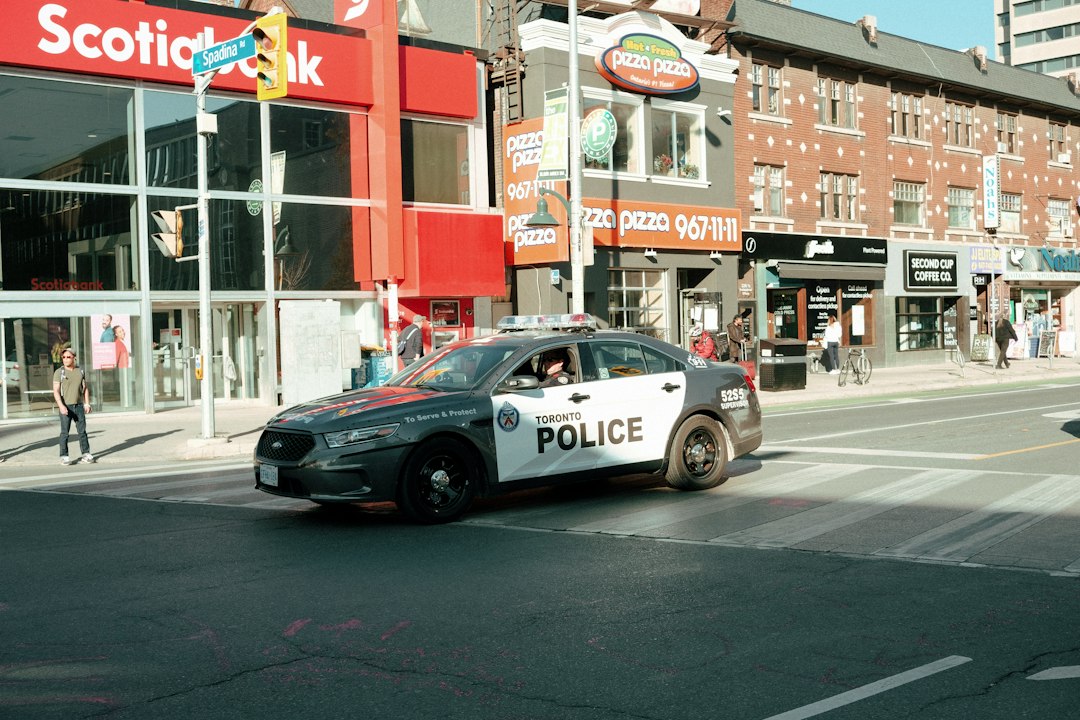
The Toronto Police Service will decommission its Vulnerable Persons Registry on Nov. 3, 2026, ending a voluntary program that gave officers background on residents with autism, dementia and other conditions, and leaving advocates asking what will replace it.
The Toronto police website says the registry “will be decommissioned effective November 3, 2026.” The service launched the registry in 2019. Families and caregivers could sign up a person so officers would have de-escalation tips and emergency contacts on hand during a call.
Police spokesperson Nadine Ramadan said “new technologies have emerged that provide more effective ways of sharing important information with first responders,” CBC News reported on Oct. 6.
The service points to RapidSOS, a platform that lets 911 operators see information people choose to share through connected services and devices. Examples include MedicAlert profiles, fall-detection programs and third-party emergency alert apps. The police website also encourages people and caregivers to consider options such as MedicAlert, Apple Medical ID and Android emergency settings. It says it will post information about alternative resources before the program closes, and it does not name a single replacement system.
The registry has been criticized before. In September 2024, Toronto Ombudsman Kwame Addo found it was beset by communication failures and poor management. The Canadian Press reported at the time that only 305 people had their information entered. Addo found that no one in the police service took responsibility for the registry, that no one promoted it and that registrants had no central point of contact. Police said then they would implement all of his recommendations.
Addo told CBC that his 2024 recommendations must be reflected in any replacement. He said a registry “only works if people know about it and are able to access it relatively easily.”
Marg Spoelstra, CEO of Autism Ontario, told CBC she is disappointed and wants to know whether something will take its place. She said she wants details on any plans for “a combination of marketing, of training, of outreach” to help families register.
Katie MacLean of the Alzheimer Society of Toronto told CBC the registry gave families “peace of mind” and could help police bring missing people home. She said she worries that third-party services could create financial barriers for families already stretched by the cost of care.
That cost concern is concrete. The registry was free. CBC reported that MedicAlert’s Connect Protect program charges $75 to set up a membership, plus subscription fees. Apple and Android emergency settings are free to use, but they depend on a person owning a compatible phone and setting it up correctly. Like the registry, they are also voluntary, so the tools only help families who know they exist.
Several questions remain open. Addo has asked police to explain whether information already submitted will move to a new system, whether families will have to re-apply and what will happen to the data on file. CBC said it asked police whether replacement measures will be ready by Nov. 3 and what will happen to existing data. Police had not responded by the time of publication. Canada News Media has not independently confirmed the answers to those questions.
The story is still developing. The Nov. 3 closing date is confirmed by the police website. The details of what replaces the registry, and when, have not been released.
If you find reporting like this useful, consider supporting Canada News Media, an independent Canadian newsroom with no corporate parent.
Sources: Toronto Police Service, Vulnerable Persons Registry notice; The Canadian Press via Global News (Sept. 5, 2024).
Via CBC News (read as republished by Yahoo News Canada).
Follow Canada News Media
Get the day's top Canadian stories and our two daily 60-second news videos wherever you scroll.