


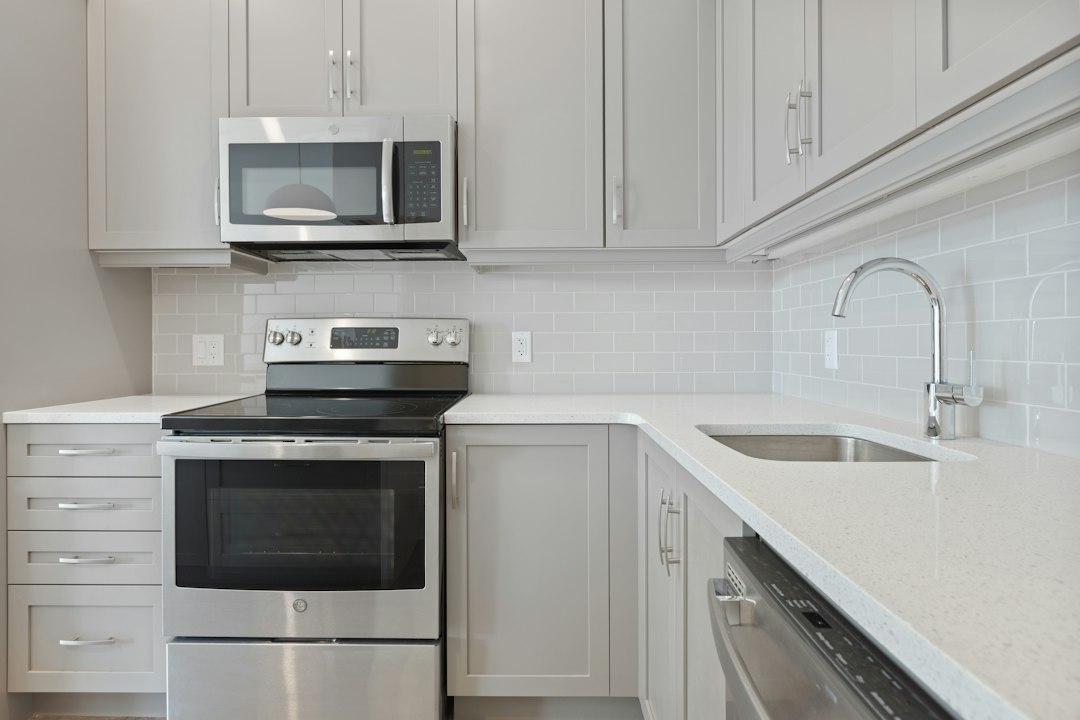
The safest way to clean a microwave is to unplug it, let it cool, steam the inside with a bowl of water and a little vinegar or lemon juice, then wipe the walls, door seal and turntable with a damp cloth and mild dish soap. Do it after splatters dry on, and avoid abrasive cleansers, which Health Canada and manufacturers both warn against.
Winter cooking and holiday leftovers mean microwaves are working harder at this time of year, and baked-on food does more than smell. Health Canada says leakage from a microwave oven may increase if the door or seal is damaged or if dirt builds up around the seal, so a clean door edge is a safety matter as well as a tidy one. Panasonic’s Canadian support site also advises cleaning after each use and not scrubbing hard, because that can damage the interior wall coating.
Here are the steps, in order. If your model’s manual gives different instructions, follow the manual.
- Step 1: Unplug the microwave and let it cool. Panasonic advises unplugging the unit before cleaning and making sure the body is cool. It also says not to clean immediately after cooking.
- Step 2: Take out the turntable and roller ring. Lift out the glass tray and the ring under it so you can reach the floor of the cavity. Let the glass cool fully first. LG Canada notes that hot glass can crack if it meets cold water.
- Step 3: Steam the inside. Mix one cup of water with one tablespoon of vinegar or lemon juice in a microwave-safe container, and heat it for two to five minutes, as Panasonic advises. Put the turntable back first so the bowl sits properly. The steam softens dried splatters. Use oven mitts when you remove the container, because the bowl and the water will be hot.
- Step 4: Wipe the walls, ceiling and floor. Use a damp, soft cloth, or a cloth wet with a little neutral dish detergent for greasier spots. Panasonic says not to scrub strongly and not to use cleanser or bleach on the interior. For stubborn spots, LG Canada suggests rubbing with a lemon slice or a little baking soda paste.
- Step 5: Clean the door seal and the edges around it. Panasonic says the area where the door seals against the oven must be kept clean, using only mild, non-abrasive detergent on a clean sponge or soft cloth, then rinsing well. Health Canada says to keep the door and seal clean and not to use abrasive cleansers.
- Step 6: Wash the turntable and roller ring. Use warm, soapy water and a soft sponge. Panasonic says not to use metal brushes or metal sponges, and to use a nylon sponge for heavy stains. Dry the pieces completely before putting them back. If the tray is scratched, cracked or chipped, Panasonic says to stop using it and replace it.
- Step 7: Wipe the outside. Use a damp, soft cloth on the handle, window and body, then dry thoroughly. Panasonic discourages spray cleaners and cleaners containing ammonia or alcohol, which can damage the finish. On stainless steel, it says not to use appliance wax, polish, bleach or anything containing chlorine. Do not spray liquid directly on the control panel; wipe it with a slightly damp cloth instead.
- Step 8: Deal with lingering smells. Panasonic suggests heating a cup of water for three to four minutes, wiping the interior, then leaving the door open for two to three hours to air out. Another option from the same company is leaving an open box of baking soda inside overnight. Throw that baking soda out afterward rather than cooking with it.
- Step 9: Check the door before you plug it back in. Health Canada says not to use a microwave if the door does not close, or is bent, warped or damaged in any way. Never push an object through any opening or around the door seal, and do not tamper with the safety interlocks.
If the door, hinges, latches or screen are visibly damaged, Health Canada says there may be excessive leakage and recommends contacting the manufacturer, distributor or a qualified service technician for a professional inspection. Do not try to repair a damaged door yourself.
A quick wipe after messy meals keeps the steam clean from becoming a big job. Covering food while it heats also limits splatter. Other kitchen appliances can use the same attention this season, and Canada News Media has guides on how to clean a dishwasher, clean a range hood filter, descale a kettle and defrost a freezer.
If you find reporting like this useful, consider supporting Canada News Media, an independently owned Canadian newsroom.
Sources: Health Canada, Microwave ovens; Panasonic, How to care for and clean the microwave oven; LG Canada, How to clean a microwave without harsh chemicals.
Follow Canada News Media
Get the day's top Canadian stories and our two daily 60-second news videos wherever you scroll.
X Threads Facebook Instagram LinkedIn TikTok YouTube Pinterest Reddit Substack Flipboard Newsletter RSS