



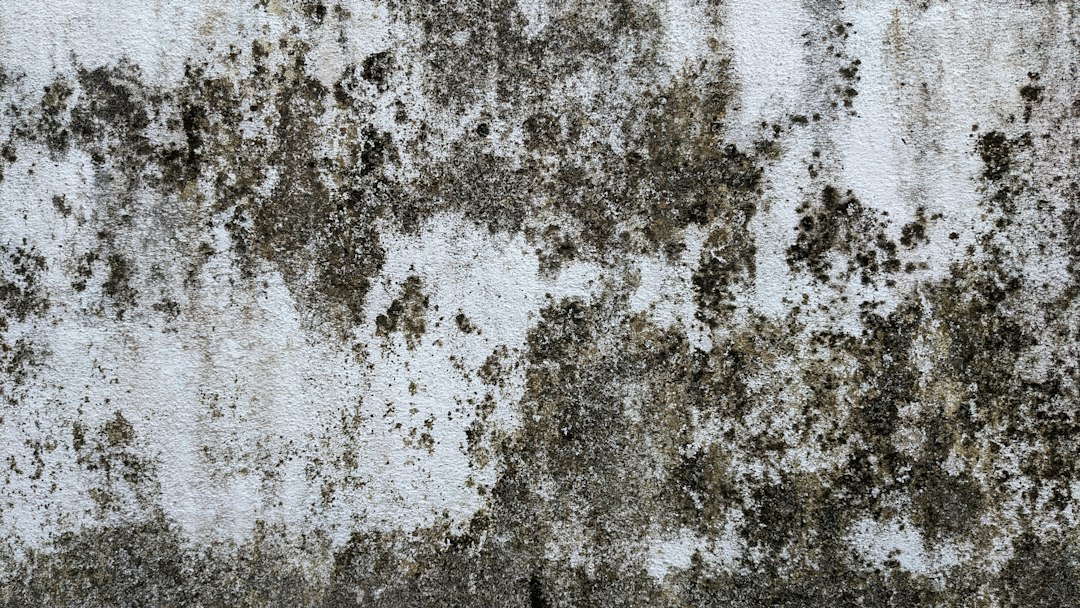
Opening your windows in a Canadian winter sounds like a waste of heat, but a short daily blast of fresh air may be one of the cheapest ways to keep mould out of your home, according to the home renovation marketplace HomeStars.
The habit, nicknamed “house burping,” comes from Germany, where it is called Stoßlüften. It means opening windows wide once a day for up to 10 minutes to swap stale, humid indoor air for drier outside air. HomeStars says 13 per cent of Canadians in its survey reported that mould in their home has been getting worse in recent years. The survey of 2,000 people was conducted by the research firm Opinium.
The reason is condensation. Cold weather keeps windows shut, while cooking, showers and drying laundry indoors keep adding moisture to the air. When that warm, moist air meets cold glass and outside walls, it condenses, and damp surfaces are where mould grows.
“While the idea of opening your windows during cold weather may sound unappealing, it’s better than dealing with a mouldy home,” a HomeStars spokesperson said in a statement. The company recommends opening windows on opposite sides of the home and leaving inside doors open, so air flows straight through. It also suggests keeping rooms at a steady temperature of 16 C to 18 C, because large swings make condensation worse, running kitchen and bathroom fans, and using a dehumidifier where moisture builds up.
Health Canada’s advice points the same way. Its guidance on reducing humidity, moisture and mould says to keep indoor relative humidity between 30 and 50 per cent, using a dehumidifier or air conditioner if needed. An inexpensive hygrometer from a hardware store will tell you where your home sits. If windows are dripping with condensation on cold mornings, humidity is likely too high.
Health Canada also says mould matters for health, not just for drywall. Its guide to addressing moisture and mould indoors links damp, mouldy homes to respiratory symptoms, and notes that a changing climate is expected to increase moisture and mould exposure in some regions of Canada.
Small patches can usually be cleaned by the homeowner. Health Canada’s guide treats a single patch larger than three square metres as a large area and advises considering professional help for that much growth. For smaller areas, dry the surface first, then clean it while wearing gloves and a mask and keeping the room ventilated. HomeStars notes that anti-mould paint can help once the area is clean, and that mould which keeps coming back usually points to a hidden source, such as a leak, that needs a tradesperson.
For most homes, the cheapest fix is the simplest one: a few minutes of open windows each day, fans that actually run, and humidity kept in the healthy range.
How we checked: we compared the HomeStars advice, released Nov. 12, with Health Canada’s published guidance on indoor humidity and mould. The HomeStars survey figure comes from the company and was not independently verified.
Follow Canada News Media
Get the day's top Canadian stories and our two daily 60-second news videos wherever you scroll.
X Threads Facebook Instagram LinkedIn TikTok YouTube Pinterest Reddit Substack Flipboard Newsletter RSS