

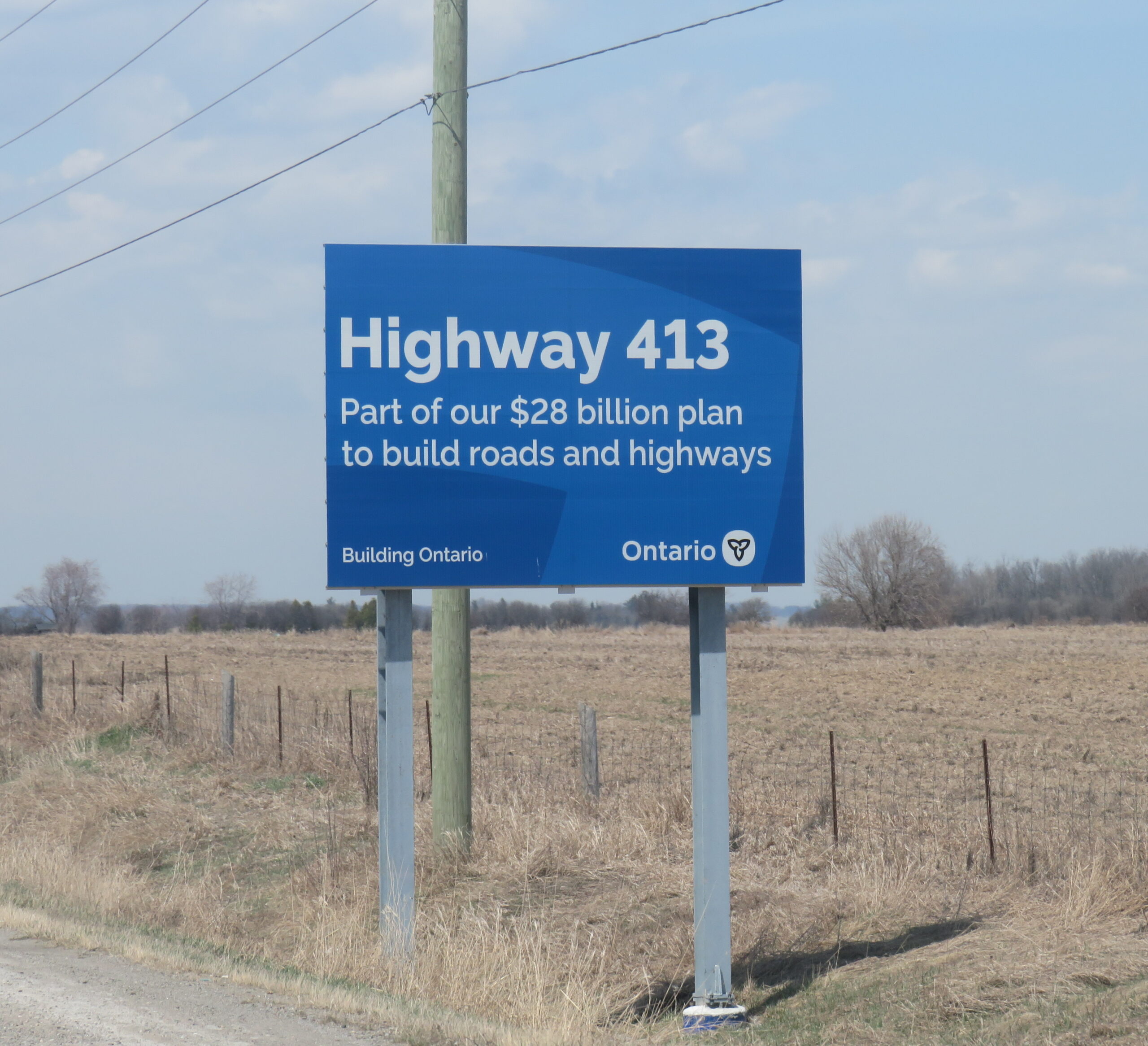
Ontario has started building the first bridges that will carry local traffic over the planned Highway 413, another sign the long-disputed highway northwest of Toronto is moving from planning into construction.
The Ministry of Transportation said Friday that crews have begun work on two structures in Brampton: a bridge taking Highway 10 over the future highway, and a bridge at Bovaird Drive. The Bovaird work also includes widening the road and building a grade separation between Heritage Road and Mississauga Road to make room for a future Highway 413 interchange. The province said Bot Construction Ltd. won the contract for both bridges.
“With construction now underway on two new bridges, we’re making real progress to build Highway 413,” Transportation Minister Prabmeet Sarkaria said in the government’s release, which argued that gridlock is costing the economy billions of dollars a year.
As the province describes it, Highway 413 will be a 52-kilometre, 400-series highway linking Halton, Peel and York regions. It will run from Highway 400 in the east to the Highway 401 and 407 ETR interchange in the west, with 11 interchanges at municipal roads and connections to extensions of Highways 410 and 427. The ministry says the finished highway will save drivers up to 30 minutes per trip and support about 6,000 jobs a year during construction.
The province also recently issued a request for proposals to design and build the eastern section of the highway, from Highway 400 to west of The Gore Road in Caledon, along with an extension of Highway 427 north from Major Mackenzie Drive.
Friday’s release did not include a cost for the highway. It said only that Ontario is spending $31 billion to build, repair and expand highways, roads and bridges across the province. Earlier public estimates for Highway 413 itself put the price at about $4.7 billion in 2012 and roughly $6 billion by 2021.
The release carried supportive statements from Brampton Mayor Patrick Brown, several Progressive Conservative MPPs, construction industry groups, LiUNA Local 183 and the Brampton Board of Trade.
The project has been contested for most of a decade. Environmental Defence asked the federal government in 2021 to review the highway under the federal Impact Assessment Act, and Ottawa agreed that May to designate it for a federal assessment. That review was dropped in April 2024, after the Supreme Court of Canada found much of the federal law unconstitutional, with the two governments saying they would instead work together to limit effects on species at risk and other areas of federal jurisdiction.
In the fall of 2024, the province tabled Bill 212, which exempted Highway 413 from Ontario’s Environmental Assessment Act and sped up land acquisition along the route.
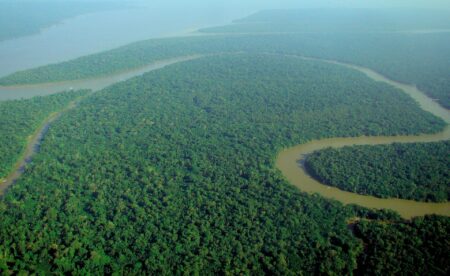
Critics point to the land the highway crosses. The Toronto and Region Conservation Authority has said the route would affect 85 waterways, 220 wetlands and 10 species at risk, while a study commissioned by Environmental Defence reported 29 species at risk along the corridor. The National Farmers Union has raised concerns about the loss of roughly 2,000 acres of Class 1 and 2 farmland, the most productive designations, and parts of the route cross the Greenbelt and the Humber and Credit river watersheds.
Opponents have also argued that a new highway would encourage sprawl and that money would be better spent on transit, truck lanes on the existing Highway 407 or improvements to local roads. Several municipalities along or near the route, including Mississauga, Vaughan, Halton Hills and King Township, have passed motions opposing the project over the years, while York Region and trucking and home-building groups have backed it.
The province has not said when the full highway is expected to open.
Follow Canada News Media
Get the day's top Canadian stories and our two daily 60-second news videos wherever you scroll.
X Threads Facebook Instagram LinkedIn TikTok YouTube Pinterest Reddit Substack Flipboard Newsletter RSS