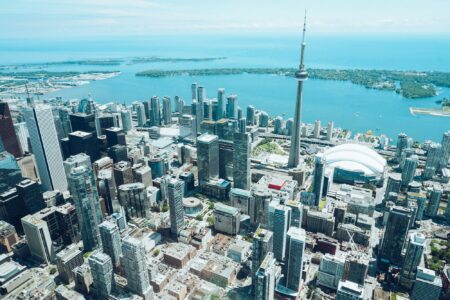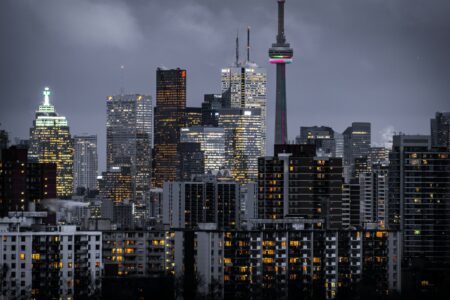
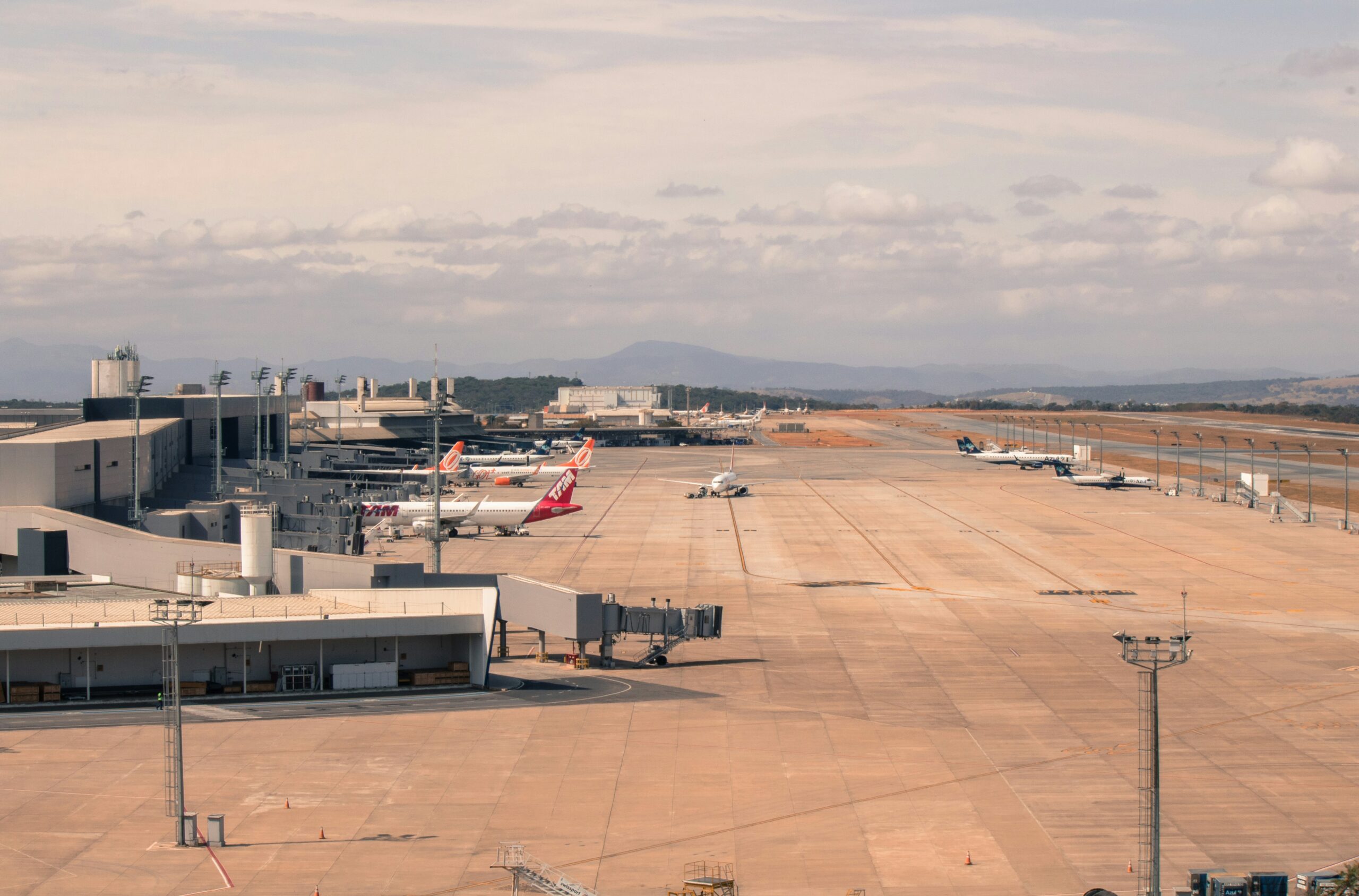
Prime Minister Mark Carney said Tuesday the federal government will seek private investment to run Canada’s four largest airports, naming Toronto-Pearson, Montreal-Trudeau, Calgary and Vancouver in a keynote speech to the Canada Investment Summit in Toronto.
“Following best practice in other countries, the government of Canada will retain ownership of the underlying land and assets, but we will unlock their true value by bringing in new capital and expertise to their operations and their growth,” Carney said, according to CTV News and BNN Bloomberg, which reported the speech and the question-and-answer session that followed. Pressed by reporters afterward, he drew a line under the word most likely to follow him through the fall. “We’re selling a concession, not privatizing the airport,” he said.
That distinction is narrower than it sounds, because the structure Carney described is close to the one that already governs these airports. Under Transport Canada’s policy statement on airport investment, released March 7, 2025, Canada’s National Airports System is made up of 26 airports, 22 of which are run by private, not-for-profit airport authorities that are operationally and financially independent of the government. Those airports sit on land leased from the Government of Canada. Federal ownership of the land is therefore not a protection the announcement adds. It is the existing arrangement, and has been since the authorities took over operations. Private management is the existing arrangement too. The element that would actually change is the words “not-for-profit.”
The same 2025 policy statement, itself a commitment from Budget 2024, already set out three routes for private money to reach these airports: subleases, subcontracts and subsidiaries. It also said the government intended to explore negotiations to extend airport authority leases in order to facilitate third-party investment and development on airport lands, and it specifically named pension funds as a source of that capital. Private capital, in other words, was not locked out. What a concession would change is not access but the counterparty. Money would go to the government for the right to operate the airport, rather than into the airport through an authority that has no shareholders to pay.
Two details suggest the announcement was a late addition to the summit. Airports were not among the more than 160 projects in the summit’s deal book, according to CTV News, and the same outlet reported that the federal Liberal caucus held a call with its MPs on Monday, the day before the speech, to discuss the future of Canadian airports. Carney said consultations will take place “in the coming weeks” and that security standards will remain with regulators.
The previous government examined privatizing eight Canadian airports and decided against it after mixed stakeholder feedback. Asked why now is the moment, Carney said “we are living in different times,” and pointed to connections between Europe and Asia and to the Arctic as strategic considerations. He also argued the expertise already exists domestically. “Canadian pension funds already successfully invest and manage airports around the world. It’s time to bring that same expertise back home to directly benefit Canadians,” he said.
Reaction split along the lines the plan invites. British Columbia Premier David Eby told CTV’s Vassy Kapelos he is “not opposed to the prime minister talking about concessions related to the airports” but wants details, and singled out the part of the announcement dealing with regional airports as something that “really needs to happen in British Columbia.” Conservative Leader Pierre Poilievre said his party would wait for details, adding that “if it doesn’t save money, then why do it?” and warning against “sweetheart deals for corporate power brokers and Liberal insiders.” Canadian Labour Congress secretary-treasurer Lily Chang said in a statement that “in the middle of a trade war, handing profitable public infrastructure over to private investors is exactly the wrong move.” The Unifor Aviation Council of Canada protested outside the summit on Monday.
The promise doing the most political work is that proceeds will be reinvested in infrastructure, including smaller regional airports, which is the piece Eby endorsed. It is also the piece with no figure attached to it. Ottawa has not said what the four concessions would be worth, how long they would run, what becomes of the existing airport authorities, or whether any of it reaches the fees passengers pay. Those answers are what the coming consultations are for.
Follow Canada News Media
Get the day's top Canadian stories and our two daily 60-second news videos wherever you scroll.