

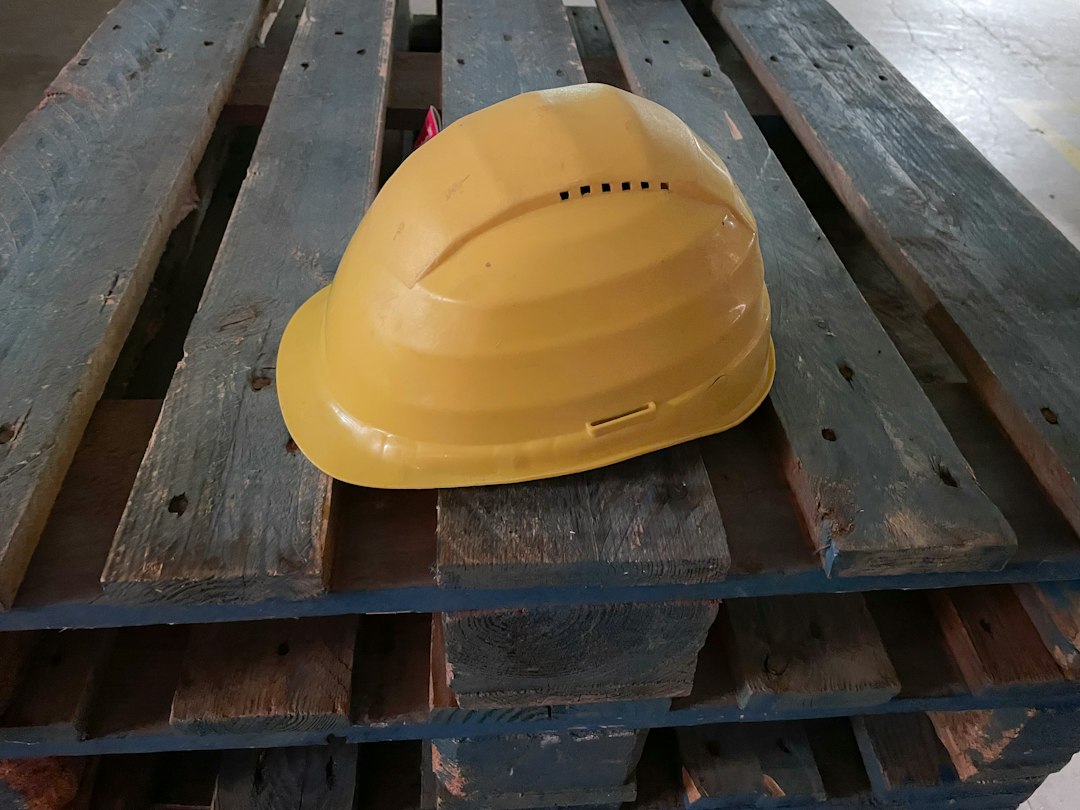
An Edmonton startup is building a hardhat with four cameras and machine-vision software that warns construction workers of nearby hazards through vibrations, and it is now looking for investors to expand production, BetaKit reported Oct. 9.
SenseHuman AI, founded last year, makes a helmet that gives the wearer 360-degree coverage of a worksite, according to BetaKit. The software flags risks such as trenches, ledges and tripping hazards, and the helmet vibrates in the direction of the danger. It has no screen.
CEO Adil Muhammad, who holds a master’s degree in civil engineering from the University of Alberta, said the idea came from the minimap in the video game Call of Duty, which shows threats approaching from behind. He previously worked on AI for construction site safety at the university’s IHT Lab, BetaKit reported. The other co-founders are Gavin Mei, Vicente Gonzalez and Gaang Lee.
The helmets can be configured with site rules, such as keeping a set distance from operating machinery, according to BetaKit. A summary of the report by Let’s Data Science, which is based on BetaKit’s reporting and not independent, said the company also offers a remote dashboard where safety managers can view detected risks, log incidents and generate reports.
The cameras record video without audio because of privacy concerns, BetaKit reported. One pilot partner used the footage to investigate an accident.
SenseHuman AI raised $250,000 in pre-seed funding in January from the OpenCircle Contractors Association, a non-profit construction industry group, and one other investor that was not named, BetaKit reported. OpenCircle also bought the company’s first five units. Twelve helmets are now in use in the field, and the company has completed pilots, including one with Sherwood Park contractor The Bartlett Group through Edmonton Unlimited’s Built World Venture Pilot program.
Muhammad said demand is outpacing what the company can build. “We want to scale up manufacturing … and we’re trying to get the attention of investors so we can scale,” he said, according to BetaKit.
The company is open about the limits of the product. The system cannot yet reliably predict objects falling from above and cannot prevent every accident, BetaKit reported. Muhammad said the focus is on preventing minor injuries, which he described as the majority of job site incidents.
Workplace injuries are a large and costly problem in the sector that SenseHuman AI is targeting. The Association of Workers’ Compensation Boards of Canada reported more than 320,000 lost-time claims in 2024, with trades, transportation and equipment operators accounting for the most. WorkSafeBC reported about 38,000 accepted construction claims in its May report, including nearly 5,800 involving falls and nearly 7,000 involving equipment or vehicle collisions, at an estimated cost of more than $1.3 billion, according to BetaKit.
In Alberta, penalties for workplace safety violations can reach hundreds of thousands of dollars, BetaKit reported, which gives contractors a financial reason to look at tools that reduce incidents. The company has not disclosed pricing, the number of signed customers beyond those named, or independent testing results, and its safety claims have not been verified outside its own pilots.
If you find reporting like this useful, consider supporting Canada News Media, an independent Canadian newsroom with no corporate parent.
Via BetaKit (original report), with a summary from Let’s Data Science.
Follow Canada News Media
Get the day's top Canadian stories and our two daily 60-second news videos wherever you scroll.