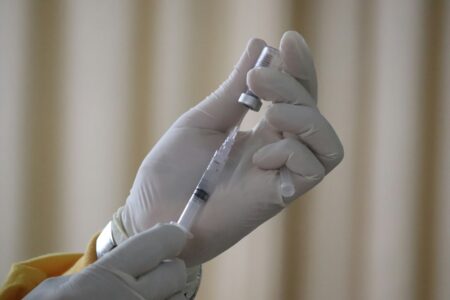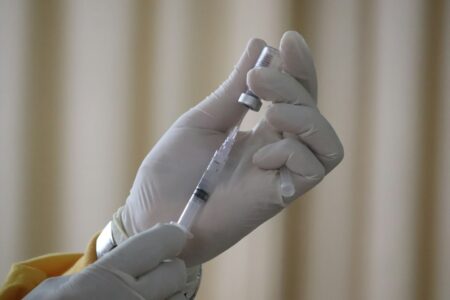




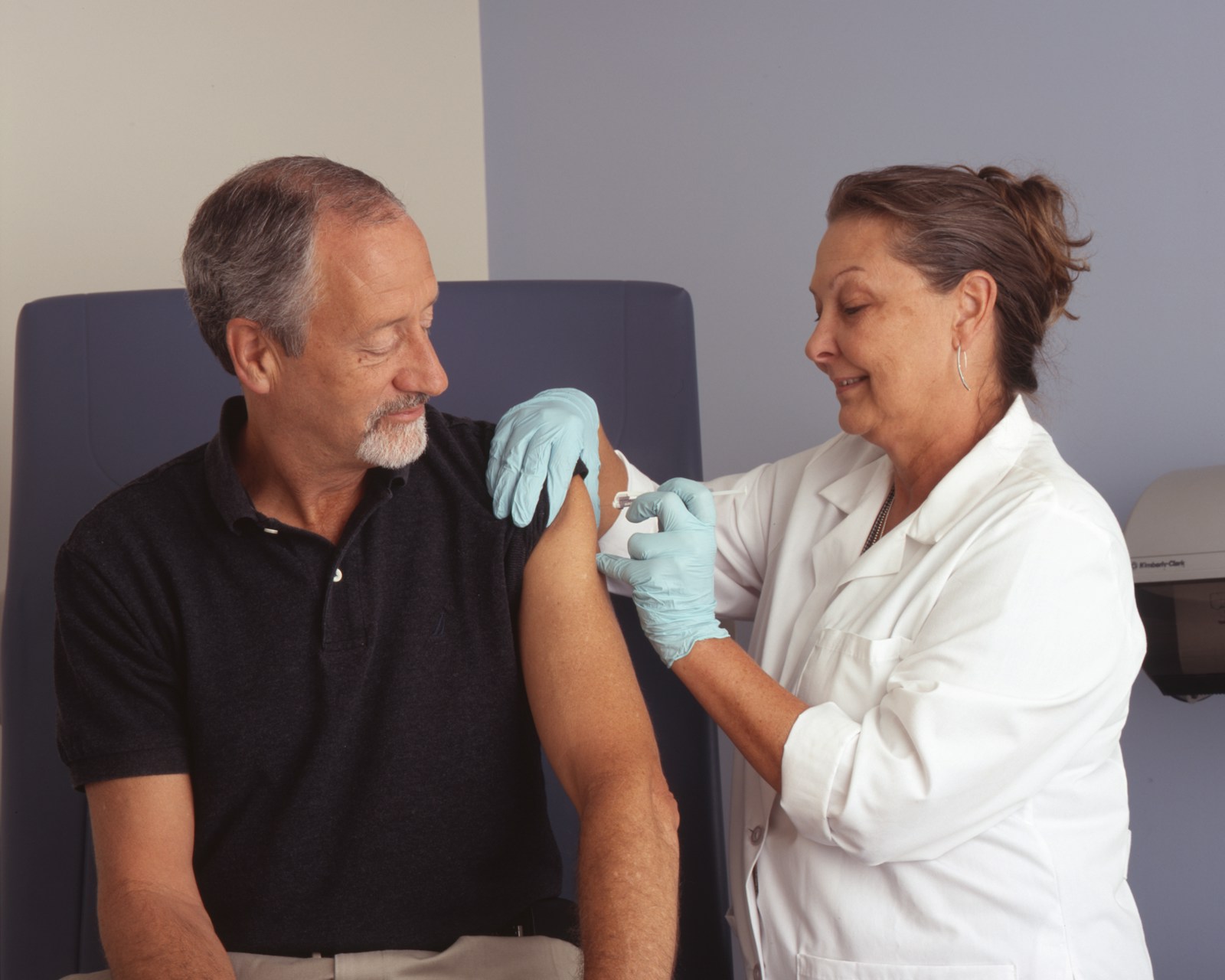
Nova Scotia’s publicly funded RSV vaccine program does not cover adults on dialysis, adults on home oxygen, or people living with a lung transplant, groups that Canada’s national immunization advisory body strongly recommended for coverage five months ago.
The gap surfaced after CBC News reported that the province’s program leaves out adults aged 65 to 74 with high-risk chronic conditions. The report featured a 72-year-old man with lung cancer who was hospitalized with respiratory syncytial virus but did not qualify for a free shot. Two Halifax-area pharmacies told CBC News the vaccine costs more than $320 out of pocket, including the injection fee, and that private insurance would not cover it.
The eligibility list the province actually publishes is narrower than even that framing suggests. According to Nova Scotia Health’s seasonal vaccines page, the free adult RSV vaccine is limited to two groups: adults 60 and older living in long-term care or hospitalized while awaiting placement there, and all adults 75 and older. A Department of Health and Wellness information document written for health-care professionals, dated Sept. 10, 2025, lists those same two categories and no others.
Read plainly, that means the adult program contains no medical eligibility pathway at all. A Nova Scotian qualifies by age or by address, not by diagnosis.
The National Advisory Committee on Immunization took a broader position. In a statement released April 10, 2026, NACI issued two strong recommendations aimed at provinces and territories designing publicly funded programs. The first covers all adults 75 and older along with adults 65 to 74 at increased risk of severe RSV disease, which is the recommendation the province has said it is reviewing. The second has drawn far less attention. It covers adults 18 and older who are receiving dialysis, who are on home or chronic oxygen therapy, who have had a lung transplant, who have had a hematopoietic stem cell transplant in the previous two years or remain on immunosuppression, or who live in nursing homes and other chronic care facilities.
Of those five categories, Nova Scotia’s program reaches only the last one, and only for people 60 and older. A 45-year-old Nova Scotian on chronic home oxygen, or a 50-year-old receiving dialysis three times a week, sits outside the program entirely, despite a strong federal recommendation that names them specifically.
NACI raised a further point the province’s published materials do not address. The committee said jurisdictions may consider vaccinating people in or from First Nations, Inuit and Metis communities at a younger age, citing evidence of a heavier burden of illness produced by what it called “intersecting structural and social determinants of health.” Nova Scotia’s published eligibility contains no such provision.
Provinces and territories set their own immunization programs, and NACI recommendations are advice rather than a requirement. Ontario offers a useful comparison. Its program funds the vaccine universally at 75 and older, and reaches high-risk adults aged 60 to 74 through defined clinical categories that track NACI’s second list fairly closely, including people on hemodialysis or peritoneal dialysis and recipients of solid organ or stem cell transplants. Nova Scotia has not adopted an equivalent clinical pathway.
Cost is the obvious pressure on any expansion. Under current guidance the adult RSV vaccine is a single lifetime dose rather than an annual shot, and NACI says available evidence shows a single dose protects for at least three years. That makes the spending front-loaded rather than recurring, which cuts both ways for a province weighing whether to widen eligibility now or wait.
The province told CBC News it is reviewing the 65 to 74 recommendation and has not reached a decision. It has not said publicly whether the separate recommendation covering dialysis, oxygen and transplant patients forms part of that same review, or whether those groups are under consideration at all. With RSV season beginning in late fall, that distinction decides whether an expansion would reach several thousand older Nova Scotians or a considerably wider group of patients under 65 whose risk has nothing to do with their age.
Reporting on the patient experience and pharmacy pricing via CBC News. Eligibility details drawn from Nova Scotia Health and the Nova Scotia Department of Health and Wellness. Recommendations drawn from the National Advisory Committee on Immunization statement of April 10, 2026.
Follow Canada News Media
Get the day's top Canadian stories and our two daily 60-second news videos wherever you scroll.
X Threads Facebook Instagram LinkedIn TikTok YouTube Pinterest Reddit Substack Flipboard Newsletter RSS