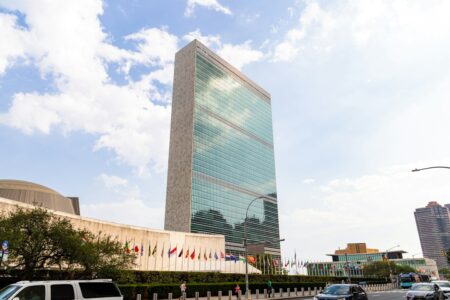



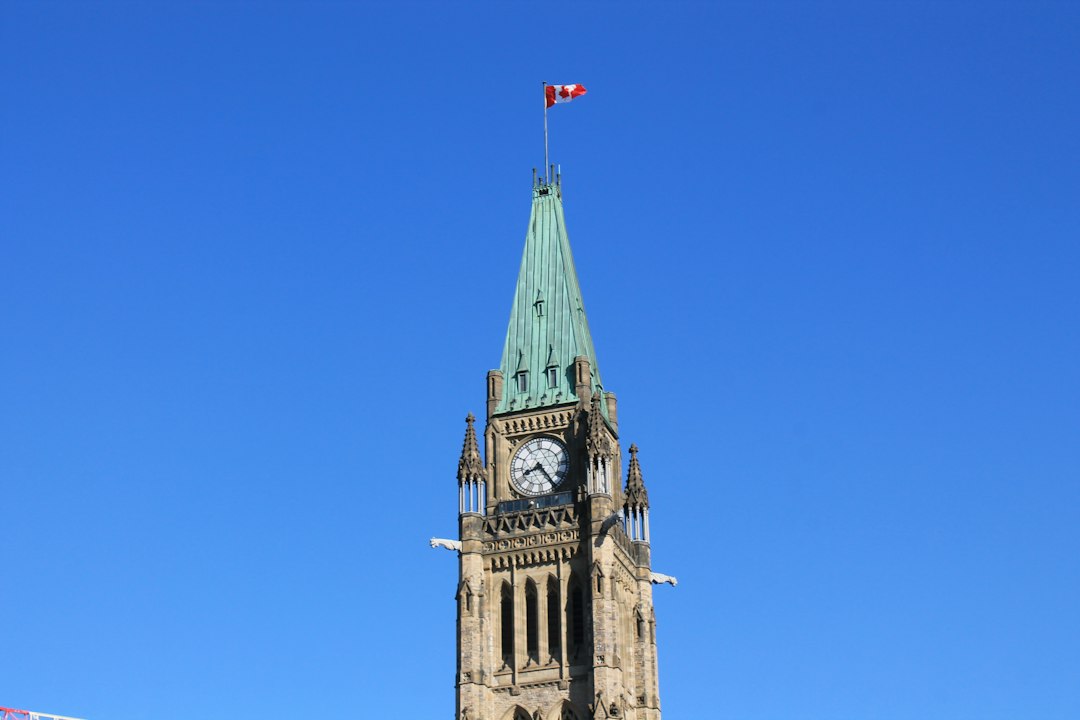
U.S. President Donald Trump said Wednesday that Canada is “destroying itself” through unchecked immigration, an unsubstantiated claim that drew a swift rebuttal from Ottawa during a week when leaders of both countries are in New York for the United Nations General Assembly.
In a post on his Truth Social platform, Trump wrote that Canada is allowing “millions and millions of people” into the country “essentially unchecked and unvetted,” warning that the problems this creates “will soon be too big to handle.” He called it a “Liberal takeover that will end very badly” and linked it to what he described as high unemployment, according to reporting by CTV News’ CP24 and the Globe and Mail. Trump did not cite data to support the claims, and neither outlet found evidence for the figures he used.
The post landed during the 81st session of the UN General Assembly, where Prime Minister Mark Carney is also attending. Rather than respond to Trump directly, Carney kept his public focus Wednesday on international co-operation, pledging $82 million to ocean-observation initiatives at a UN-linked event called OceanEye and speaking broadly about “nations coming together,” CP24 reported.
The rebuttal instead came from Foreign Affairs Minister Anita Anand, who told reporters at the UN that immigration has “bolstered Canadian prosperity” and that Ottawa has already been reducing intake since 2024 to stabilize the system. Anand said the government is also working to cut the temporary resident share of Canada’s population to five per cent by the end of 2027, according to CP24’s live coverage of the UN session.
Government figures back up the direction Anand described, even as they complicate Trump’s framing of an out-of-control influx. Canada admitted 483,640 permanent residents in 2024, a number that fell to roughly 393,500 in 2025, and Ottawa’s 2026-2028 immigration levels plan projects admissions will stabilize at about 380,000 a year through 2028. Statistics Canada figures cited by CP24 show immigration is down 4.2 per cent year-over-year, with the number of non-permanent residents in the country down 0.7 per cent over the same period.
Trump has repeatedly used Canadian immigration and border policy as a talking point since returning to office, including in earlier disputes with Carney over tariffs and trade that have shadowed the relationship between the two governments for much of the year. Wednesday’s comments add a sharper, more personal line of attack aimed squarely at Canada’s domestic policy, arriving just as the two governments continue trade and security discussions on the sidelines of the UN gathering.
Neither the Prime Minister’s Office nor Global Affairs Canada had issued a formal, line-by-line response to Trump’s post as of Wednesday afternoon, beyond Anand’s remarks to reporters covering the UN session. It remains unclear whether the comments will come up directly in any bilateral meetings between the two governments before the General Assembly session wraps up, or whether Trump will elaborate further on the unemployment figures he referenced but did not source.
For now, the exchange leaves Ottawa in a familiar position this year: absorbing a public broadside from its largest trading partner and closest ally, then pointing reporters to its own published statistics rather than escalating the dispute directly with the president.