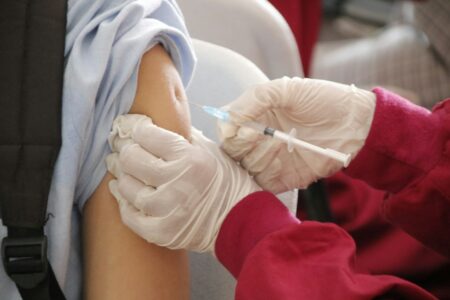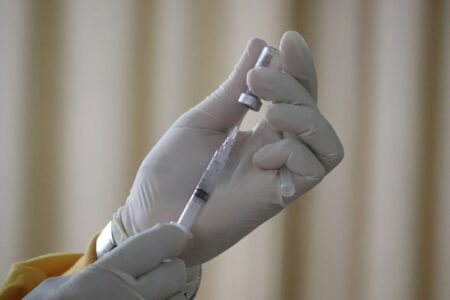


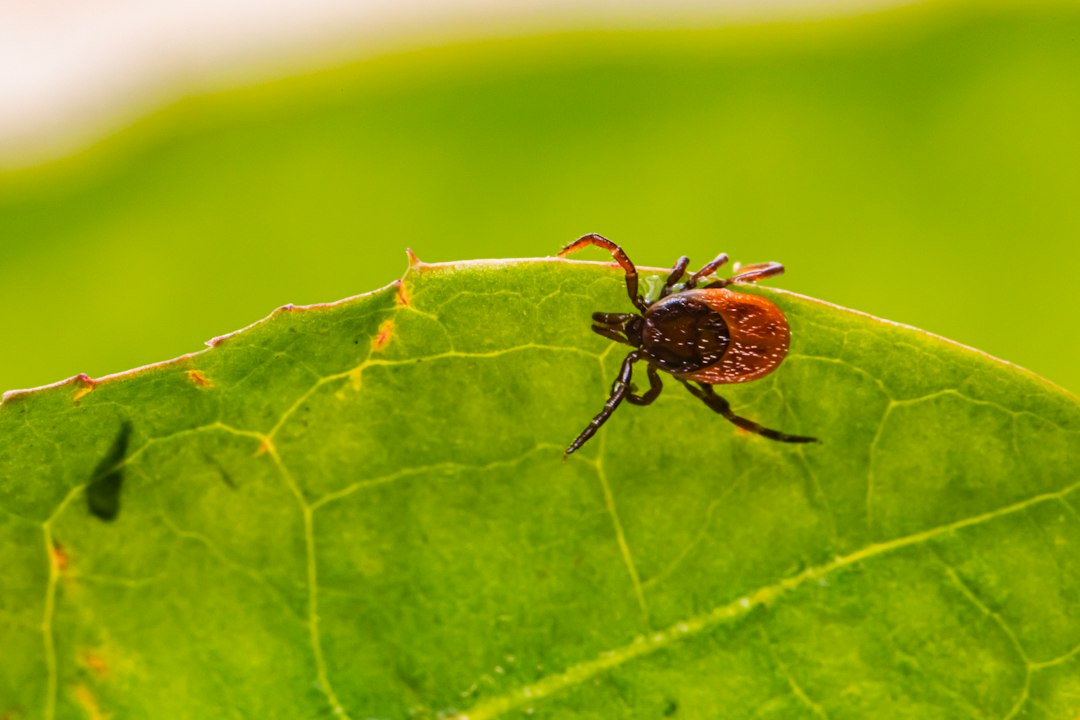
Emergency-room visits for tick bites in Nova Scotia dropped by nearly half after pharmacists were given the authority to prescribe preventive antibiotics on the spot, according to a new study published in the Canadian Pharmacists Journal. The finding, drawn from three years of hospital data, is now feeding a broader push across Canada to let pharmacists handle more of the minor cases that clog up emergency departments, even as climate change drives ticks and the diseases they carry into more of the country every year.
Researchers led by Dalhousie University PharmD student Larissa Doiron, working with pharmacy professor Emily Black, examined 1,019 tick-bite encounters at three Nova Scotia emergency departments, comparing the 18 months before pharmacists gained prescribing authority in August 2021 to the 18 months after. Visits fell from 617 to 402, cutting tick bites from 0.70 per cent of total emergency department volume to 0.35 per cent. In 67.7 per cent of eligible cases, pharmacists prescribed a single dose of doxycycline, the standard drug used to prevent Lyme disease when given within 72 hours of a bite, according to the study. More than half of patients who did go to hospital for a tick-bite assessment spent over two hours waiting, time that matters when the prevention window is measured in hours, not days.
“Our study shows that expanding pharmacists’ prescribing authority for Lyme disease prevention can improve access to care while easing pressure on busy emergency departments,” Black, now acting director of Dalhousie’s College of Pharmacy, said in a statement released with the research. Allison Bodnar, chief executive of the Pharmacy Association of Nova Scotia, told Global News the results reflect what her members see daily: “We really don’t want people with minor ailments in the ER, we want them being taken care of in the community.” Nova Scotia pharmacists assessed more than 8,000 tick bites in the second quarter of 2026 alone, Global News reported, and a separate 2024 study found pharmacists were writing 61.3 per cent of all single-dose doxycycline prescriptions issued in the province after the policy took effect.
What neither the Dalhousie study nor the initial coverage spelled out is how quickly this authority is spreading, or why the stakes keep rising. Ontario has since added tick-bite post-exposure prophylaxis to its own list of pharmacist-prescribable minor ailments, one of 27 conditions provincial pharmacists can now treat without a doctor’s referral, according to the Ontario College of Pharmacists. Other provinces have moved more slowly, leaving a patchwork where a tick bite means a same-day pharmacy visit in some places and a multi-hour emergency-room wait in others, despite identical medical guidance on the 72-hour treatment window.
The gap matters more each year because the problem itself is growing. Canada’s per-capita Lyme disease incidence has climbed roughly 32-fold since 2009, and black-legged ticks are expanding their range north by an estimated 18 kilometres or more annually as warmer winters stop killing them off, according to reporting compiled by Canada’s National Observer and the Canadian Lyme Disease Foundation. Nova Scotia has been hit hardest: case volumes there grew so large that public health officials simplified their confirmation process, moving from two-step lab testing with follow-up surveys to counting positive lab results alone because, as the National Observer reported, the system could not keep pace.
That combination, a disease spreading faster than most provinces’ health systems have adapted to it, is the real story behind Nova Scotia’s numbers. The study offers the first hard evidence that a low-cost policy fix, letting pharmacists prescribe rather than requiring an ER visit, works at scale. The open question for the rest of the country is whether provinces still without that authority will treat the Nova Scotia data as a template, or wait for their own emergency rooms to feel the same strain first.
Via Global News. Read the original report here. Additional sourcing: Dalhousie University research release, the Ontario College of Pharmacists’ minor-ailments list, and Canada’s National Observer’s reporting on national Lyme disease trends.
Follow Canada News Media
Get the day's top Canadian stories and our two daily 60-second news videos wherever you scroll.