

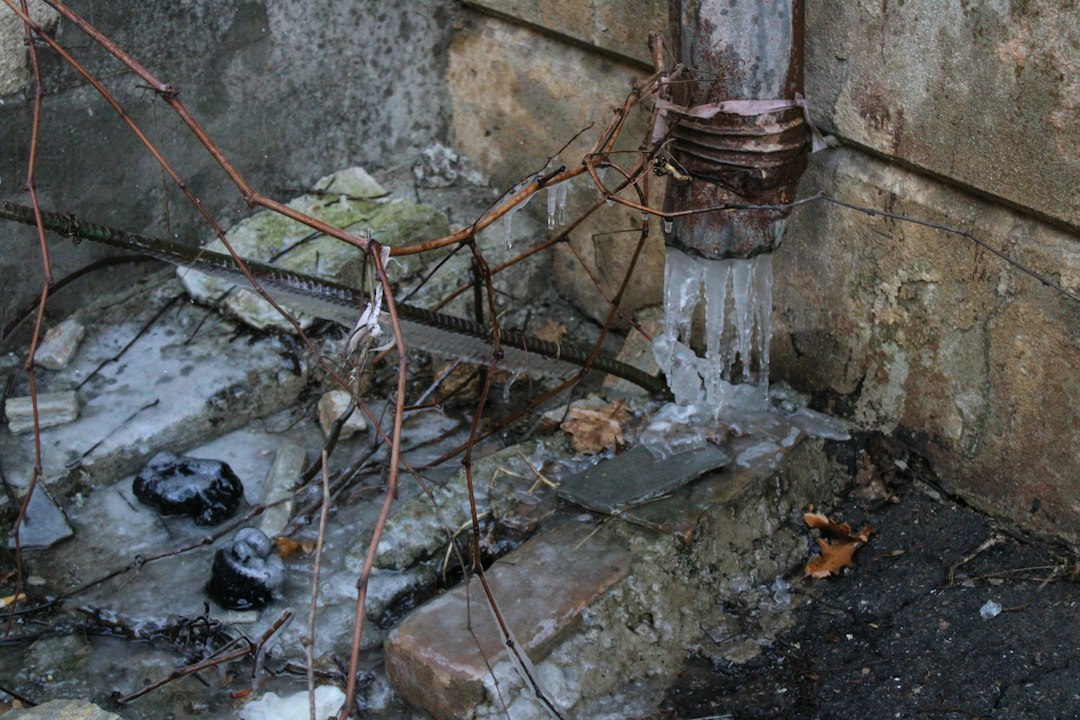
A frozen pipe can crack open in minutes and flood a home in the time it takes water to refreeze and expand, so the fix is mostly about keeping heat and a trickle of water moving through the parts of a house that don’t normally get either. The risk is highest in unheated or poorly insulated spaces, basements, crawl spaces, attics, garages and exterior walls, and it climbs fast once overnight lows drop toward minus 10 or colder, which is why municipalities and safety groups across the country push this guidance every year as the first hard frosts arrive. Home insurers in Canada count water damage, much of it from burst pipes, among their most common and expensive winter claims, so a few hours of prep now can save a much longer cleanup later. The steps below are drawn from Canadian municipal, provincial and engineering sources and involve no wiring, gas lines or work above ground level, so they are safe for any homeowner or renter with access to their own plumbing to do themselves.
1. Drain and shut off outdoor water lines. Turn off the shutoff valve for any exterior hose bib, disconnect and drain garden hoses, and shut down in-ground sprinkler systems before the first hard freeze. The Ontario Society of Professional Engineers (OSPE) lists this first among its prevention tips, noting that water lines in unheated or uninsulated areas are the most likely to freeze.
2. Find your main water shutoff valve now, before there’s an emergency. Knowing where it is and confirming it turns freely means that if a pipe does freeze or burst, you can stop the flow in seconds rather than searching for it while water is spreading across the floor.
3. Insulate exposed pipes in unheated areas. The Government of British Columbia’s emergency management office recommends insulating pipes that run through attics, crawl spaces, garages and exterior walls, both cold-water lines and hot-water lines. Pre-slit foam pipe sleeves from any hardware store are inexpensive and fit over most residential pipe diameters; insulating hot-water lines has the added benefit of cutting heat loss and delivering hot water faster.
4. Seal drafts around pipe penetrations. Check where pipes pass through exterior walls, sill plates or foundation walls, and caulk or seal any gaps that let cold outside air reach the pipe directly. Even well-insulated pipes can freeze if a draft is blowing directly on them.
5. Keep your home heated to a safe minimum, even in rooms you don’t use. Sources differ slightly on the exact number: the City of Victoria recommends at least 15 C, while OSPE advises keeping the whole house above 21 C during extreme cold snaps in particular. The consistent advice across sources is not to let the temperature drop lower than that even overnight, and not to shut off heat entirely in any room with plumbing.
6. Open cabinet doors under sinks that sit against an exterior wall. This lets warm household air reach the supply pipes underneath, which are otherwise sealed inside an insulated cabinet cut off from the room’s heat.
7. Keep interior doors open, including closets and bathroom doors, so heat can circulate to rooms with plumbing. At the same time, keep the garage door closed if any water lines run through or near the garage, since an open garage door lets outside cold in directly.
8. Let a cold-water tap drip during severe cold snaps. The City of Victoria’s guidance applies this to nights below minus 10 C or days that stay below zero, suggesting a bathtub tap left at a trickle, since moving water is far more resistant to freezing than standing water. OSPE similarly recommends a dripping tap, with the bathtub faucet the preferred choice, and notes that a sudden drop in water pressure at the tap can be an early sign that a pipe elsewhere in the system is starting to freeze.
9. Plan ahead before any trip away from home in winter. If you’ll be gone more than a day or two, OSPE’s guidance is to turn off the water at the main, open every tap and flush every toilet starting from the top floor down to drain the lines, drain the hot water tank, and disconnect washing machine hoses. Keep the heat on, just slightly below your normal setting, and open cabinet and closet doors for air circulation. Arrange for someone to check the house periodically. The BC government’s guidance echoes this: don’t let the thermostat drop below about 12 C even while you’re away, and have someone check on the property.
10. Watch for the warning signs. Little or no water coming from a faucet, frost visible on an exposed pipe, or an odd smell from a drain (frozen water can force sewer gas back up through a fixture’s trap) can all indicate a pipe is freezing somewhere in the system.
11. If a pipe does freeze, shut off the main water valve immediately, then apply gentle heat to the frozen section with a hair dryer, an electric heating pad or a space heater, working from the faucet end toward the blockage. Keep the nearest faucet open while you do this so melting water and pressure have somewhere to go. Never use a blowtorch or other open flame on a pipe. If the frozen section is behind a wall or otherwise out of reach, or the pipe doesn’t thaw, both the City of Victoria and OSPE say to call a licensed plumber rather than keep trying.
12. After any freeze, check the rest of the plumbing before assuming the problem is solved. A pipe that froze once is a sign that section of the house is under-protected, and other fixtures on the same line may be at risk too; inspect for leaks or cracks before fully restoring water service, as OSPE advises.
None of this requires special tools or a big weekend project, mostly foam sleeves, caulk and a bit of attention to which rooms in the house tend to run cold. Doing it before the first deep freeze of the season is the difference between an afternoon of prep and a burst pipe, a soaked ceiling and an insurance claim in January.
Follow Canada News Media
Get the day's top Canadian stories and our two daily 60-second news videos wherever you scroll.