

Canada’s trade minister says a free trade agreement with India could be sealed within months, a sharp reversal from the diplomatic freeze that shut down the same talks three years ago.
Maninder Sidhu, Minister of International Trade, said negotiations on the Canada-India Comprehensive Economic Partnership Agreement are making “great headway” after a fourth round of talks wrapped in Mumbai on Sept. 19, according to Global Affairs Canada. A fifth round is scheduled for Oct. 5 in New Delhi, with both governments targeting a signed deal by the end of 2026, the department said.
The push comes less than two years after Canada and India were expelling each other’s diplomats. Then-prime minister Justin Trudeau alleged in September 2023 that agents of the Indian government were linked to the killing of Sikh separatist leader Hardeep Singh Nijjar in Surrey, B.C., a claim New Delhi denied. Ottawa and New Delhi each expelled senior diplomats over the following year, India suspended visa services for Canadians, and trade negotiations that had run on and off since 2010 were shelved entirely.
Relations began to thaw after Mark Carney became prime minister and met Indian Prime Minister Narendra Modi at last year’s G7 summit. Carney made a state visit to India early this year that produced memorandums of understanding on energy, critical minerals and pharmaceuticals, and formal trade talks resumed soon after, culminating in this week’s fourth round.
The diplomatic history is not just background noise for Canada’s roughly 770,000 Sikh Canadians, the largest Sikh population outside India and close to two per cent of the country’s population, per the 2021 census. Many in the community have family, business and religious ties to Punjab, and the Nijjar killing remains an open homicide investigation in B.C. even as federal officials pursue warmer economic ties with New Delhi.
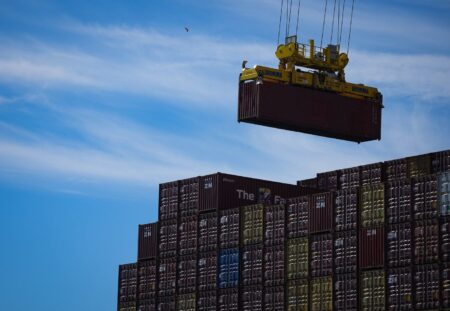
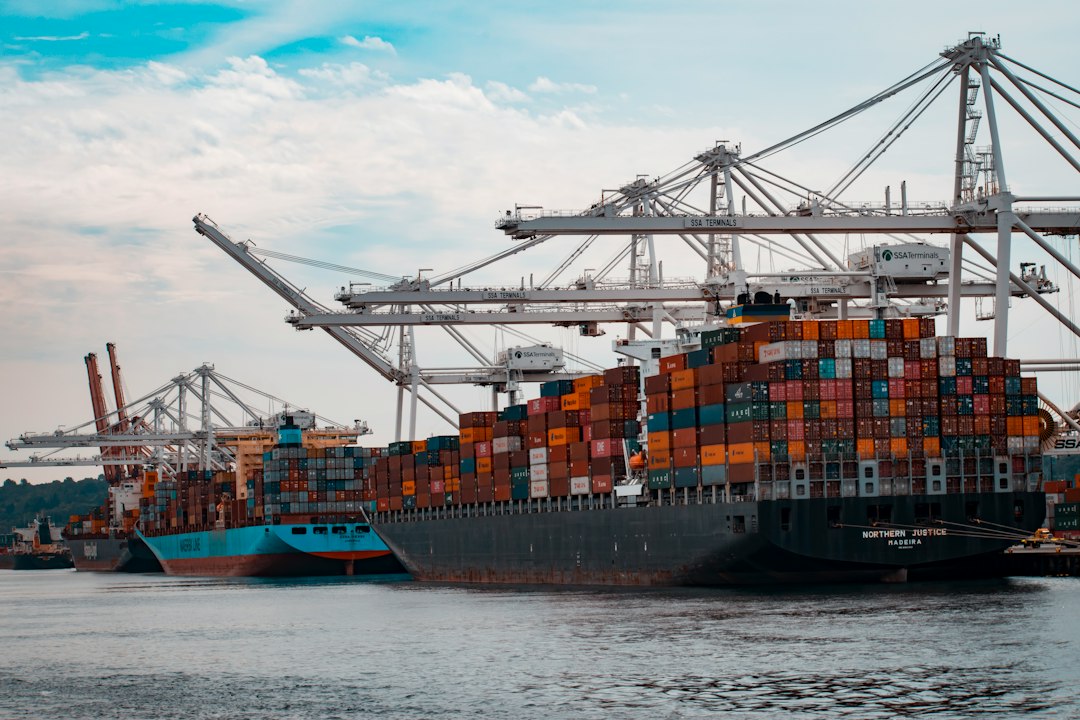
The numbers explain why Ottawa wants a deal closed. Two-way merchandise trade with India totalled $13.6 billion in 2025, part of $30.4 billion in overall trade, and Canada wants to roughly double that to $70 billion by 2030, according to Global Affairs Canada. Fertilizer access, particularly potash, is a stated priority alongside energy exports such as liquefied natural gas and nuclear technology, and agriculture, trade officials told the Free Press Journal.
Potash gives the deal added urgency at home. Saskatchewan is the world’s largest potash-producing region, and the sector is already at the centre of a separate dispute this week after Saskatchewan Premier Scott Moe accused U.S. President Donald Trump of pursuing “blood potash” from Belarus, a Russian-aligned state under Western sanctions, to undercut Canadian producers, CBC News and CTV News reported. A firmer foothold in India, the world’s largest potash importer, would give Saskatchewan a customer less exposed to Washington’s shifting trade posture.
That posture is the backdrop for the India push more broadly. Canadian exports to markets outside the United States rose 17 per cent last year, the Free Press Journal reported, as Ottawa works to loosen its reliance on a trading partner that has imposed tariffs on Canadian steel, aluminum and autos over the past year. The India talks are running alongside parallel negotiations with the Association of Southeast Asian Nations and the Philippines, both underway this week in Manila, as part of the same diversification push.
What is not yet public is where the two sides remain apart. Neither government has detailed which tariff lines or sectors are still contested heading into the October round. Canada’s past trade deals, including CETA and the CPTPP, faced late-stage fights over dairy and other supply-managed sectors, and it is unclear whether similar friction is shaping this negotiation. For a community and a province with a direct stake in the outcome, that is the open question the next round in New Delhi will start to answer.
via Global Affairs Canada, canada.ca
Follow Canada News Media
Get the day's top Canadian stories and our two daily 60-second news videos wherever you scroll.