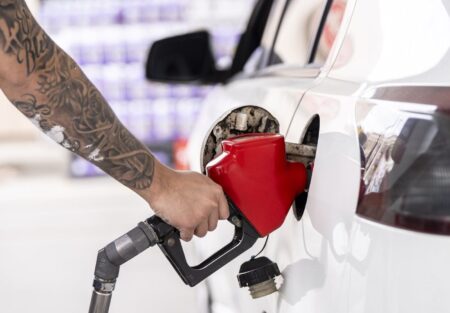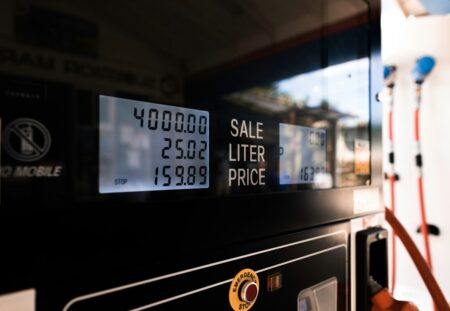


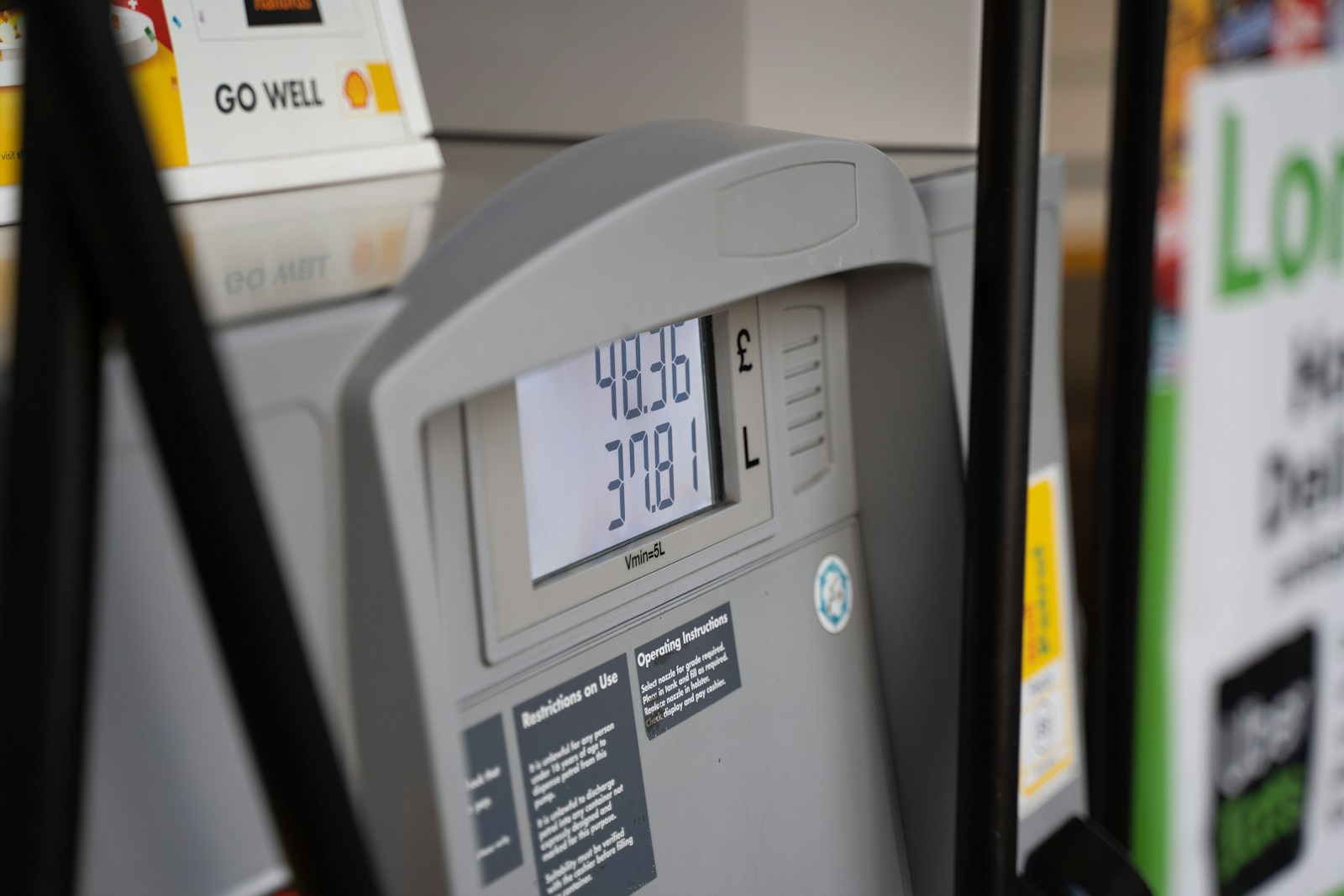
Diesel prices hit a record $2.751 a litre in parts of Canada on Sept. 17, and economists say the bigger driver isn’t crude oil costs alone, it’s refiners posting some of their fattest profit margins on record.
Canadian refining margins, the difference between what a refinery pays for crude and what it charges for finished diesel, known in the industry as the “crack spread,” topped 110 cents a litre for two straight weeks and hit an all-time high of 119.4 cents a litre on Aug. 19, according to the Edmonton Journal. That means refiners’ cut now accounts for roughly half of what drivers pay at the pump. Oil futures trader Tim Duggan has taken to calling the surge “Crackageddon.”
“All I want for Christmas is a diesel refinery right now,” Duggan told the Edmonton Journal, capturing just how lucrative the margins have become.
Crude itself is expensive too, trading above US$100 a barrel amid instability in the Middle East, including disruption to shipments through the Strait of Hormuz, and reduced Russian refining capacity after Ukrainian strikes knocked facilities offline, CTV’s CP24 and industry outlet RealAgriculture reported. But Charles St-Arnaud, chief economist at Servus Credit Union, told the Edmonton Journal that those global pressures don’t fully explain why Canadian refiners are pocketing a bigger share of every litre sold, since fuel sells into global markets, higher refinery profits don’t automatically translate into savings for Canadian drivers.
The timing could hardly be worse for Prairie farmers. Alberta had harvested just 1.1 per cent of its major crops by Aug. 18, well behind the historical average of 6.6 per cent for that date, the Edmonton Journal reported, meaning combines are running later into the fall just as fuel costs climb. In Saskatchewan, CTV News Regina reported diesel has already pushed past $2.50 a litre, with truck stops and long-haul operators absorbing costs they say are unlike anything they’ve seen.
The pain isn’t likely to stay confined to farm country or fuel pumps. Fuel price analyst Dan McTeague, president of Canadians for Affordable Energy, told CP24 that higher diesel costs cascade through nearly everything trucked into stores. “Pretty much everything that we use, anything that is transported by truck … gets this cascading knock-on effect,” McTeague said, adding Canadians should expect a clear “signal” within 30 to 60 days as fuel surcharges work their way into grocery and retail prices. Richard Masson, a former CEO of the Alberta Petroleum Marketing Commission, was blunter about the outlook: “There is no end in sight to this problem,” he told CP24, noting refinery repairs typically take months.
What’s notably absent from the coverage so far is any federal or provincial response. Neither Ottawa nor any Prairie government has announced relief for farmers facing record fuel costs during a delayed harvest, even as the same reporting shows refiners logging historic margins on the same barrels. For an industry already squeezed by trade tensions with the United States, the gap between what refiners are earning and what producers are paying is likely to draw scrutiny as harvest drags on and grocery bills start reflecting the surcharges McTeague described.
For now, the combination of a slow harvest, record pump prices and refining margins near historic highs leaves Prairie farmers absorbing costs from both ends, with little indication of when the spread will narrow.
via Edmonton Journal: Canadian refineries have never made so much off diesel as ‘Crackageddon’ mounts
Follow Canada News Media
Get the day's top Canadian stories and our two daily 60-second news videos wherever you scroll.